








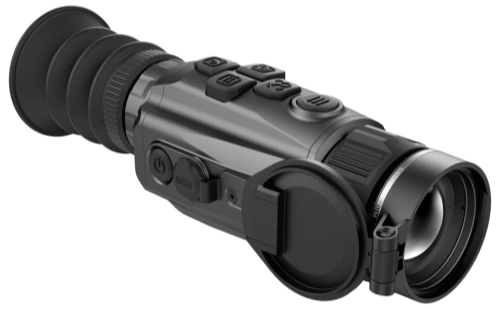
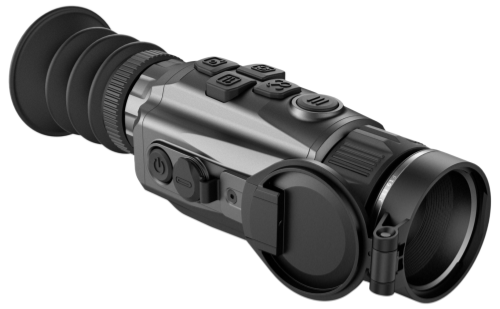

Enhance Nighttime Hunting with Adjustable Picture-in-Picture Thermal Scope
Thermal imaging technology has revolutionized nighttime hunting; among the most recent developments in thermal scopes is the customizable Picture-in-Picture (PIP) capability. PIP not only lets hunters examine several views concurrently, boosting target identification and situational awareness, but these scopes highlight heat signatures, hence enhancing visibility in low-light circumstances. This post investigates how these innovative technologies might improve your night hunting experience by providing useful analysis of their advantages and uses, user experiences, and future directions for this fascinating technology.
What Are the Basics of Thermal Scopes with Picture-in-Picture Technology?
What is a Thermal Scope?
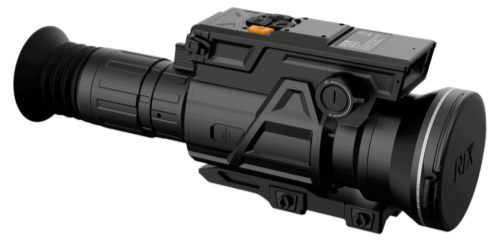
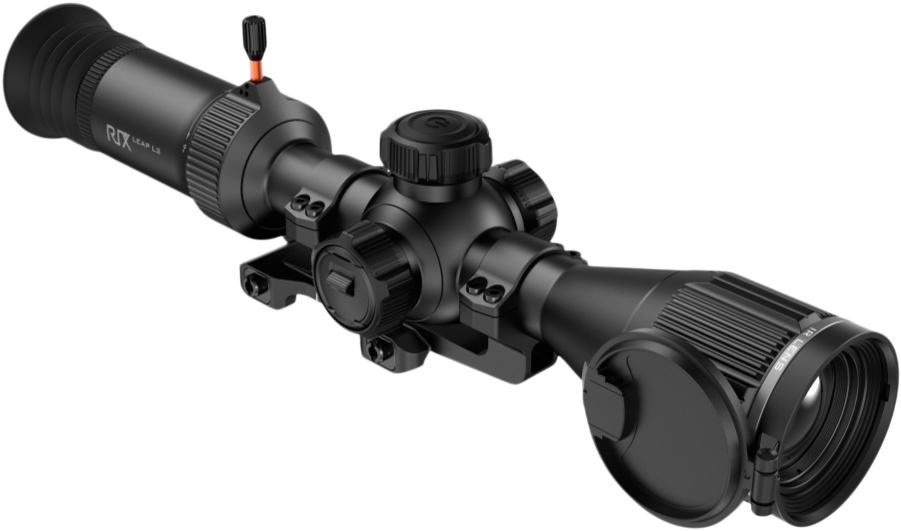
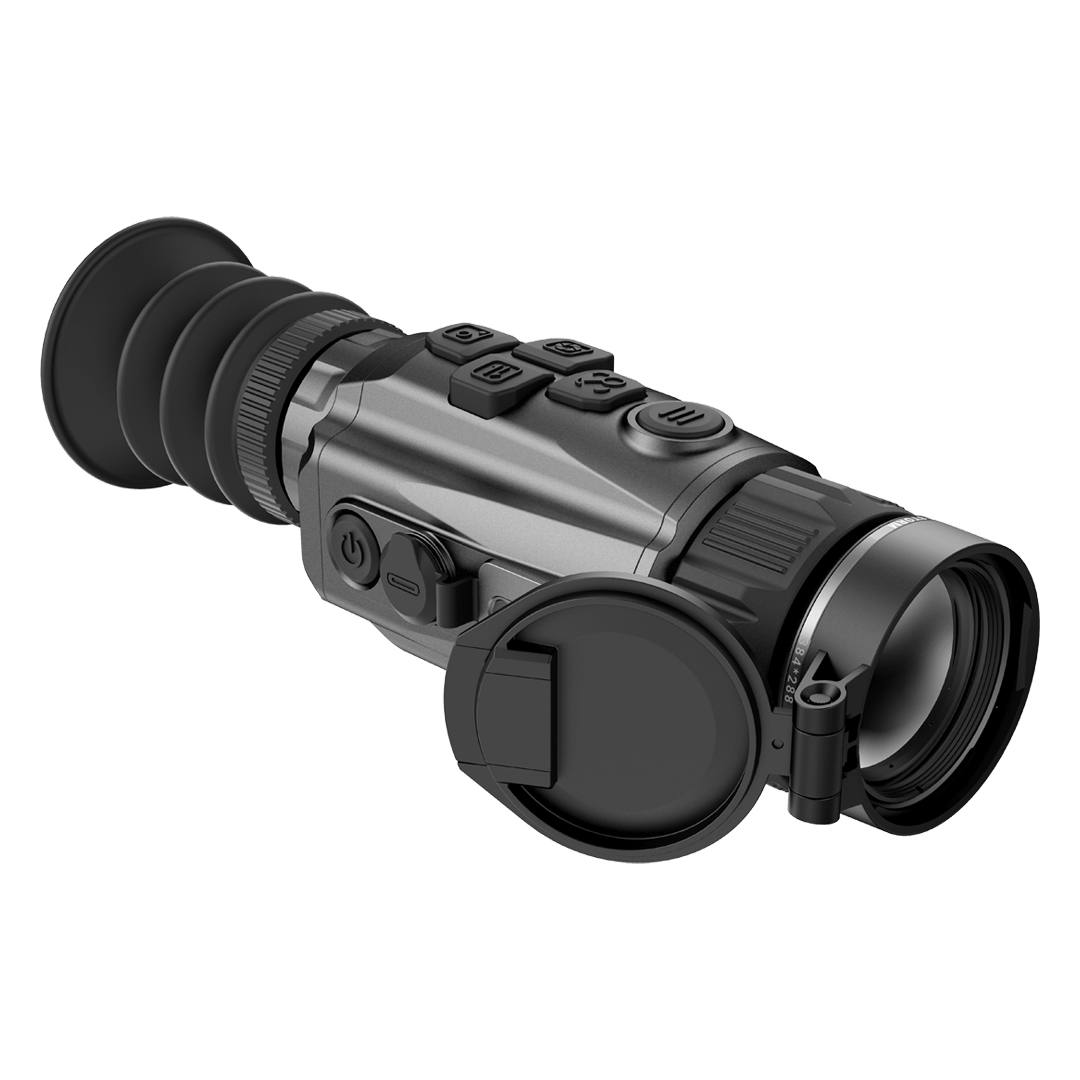
A thermal scope is an advanced optical device that uses thermal imaging technology to detect heat signatures emitted by objects, animals, or people. Unlike traditional scopes that rely on visible light, thermal scopes visualize heat differences, making them incredibly effective in low-light or nighttime conditions. This capability allows hunters to spot game even in complete darkness or through dense foliage, significantly enhancing their ability to hunt efficiently and safely.
Introduction to Picture-in-Picture Technology
Commonly available in many devices, including televisions and computer monitors, picture-in-picture (PIP) lets users view several images or videos concurrently on one screen. Generally speaking, PIP allows a tiny inset window to show up on the main display, therefore adding more information or viewpoints without interfering with the main view.
How PIP is Integrated into Thermal Scopes
PIP technology's inclusion in versatile thermal scopes gives hunters a potent weapon for increased situational awareness. The changeable PIP function lets the bigger field of view show a smaller, zoomed-in view of a target. While concentrating on a specific target, this dual viewpoint helps hunters stay more broadly situationally aware, therefore simplifying the hunting process and lowering the need for continual changes. This connection improves accuracy and efficiency, thereby enabling hunters to make more wise judgments right away.
How Does Picture-in-Picture Enhance Night Hunting with Thermal Scopes?
Enhanced Situational Awareness
By letting hunters keep several places under constant observation, picture-in-picture (PIP) in thermal scopes greatly increases situational awareness. This function offers a whole perspective of the hunting area, thereby enabling hunters to see movement or changes in their surroundings without losing attention to a particular target. For example, PIP allows hunters to monitor a secondary area where other animals might show up, therefore raising their chances of finding extra game. Practically speaking, this talent has kept hunters from getting caught off-target by unanticipated environmental changes or wildlife movements.
Improved Target Identification and Tracking
Hunters can more rapidly and precisely locate and identify prey with PIP technology. Seeing a large region at once while concentrating intensively on a particular subject lowers the danger of false positives—that is, misreading a warm rock for an animal. Hunters can quickly verify the identity and motions of their target by contrasting the zoomed-in and full-field views. In quick judgments required during fast-paced hunts, this dual-view method is absolutely vital.
Increased Efficiency and Success Rates
The integration of PIP in thermal scopes streamlines decision-making processes by providing clear, simultaneous insights into different parts of the field. This setup leads to more informed judgments about when and where to take a shot. As a result, hunters experience increased success rates, benefiting from the technology’s ability to facilitate quicker, more accurate responses to dynamic hunting scenarios. Such enhancements contribute to better hunting outcomes, as reflected in improved statistics and personal testimonies from those who have embraced this modern tool.

What Are the Practical Applications and Scenarios for Using PIP in Thermal Scopes?
1. Multi-Target Monitoring
Picture-in-Picture (PIP) lets hunters track several animals at once, hence improving multi-target monitoring. PIP helps hunters, for example, keep an eye on the whole herd while concentrating on one individual animal when viewing a herd of deer or possible predators like coyotes. This feature guarantees that hunters can rapidly change their focus when targets migrate, therefore maximizing chances to make accurate shots without losing view of other possible prey.
2. Navigating Challenging Terrains
In challenging terrains, such as dense forests or uneven mountainous landscapes, PIP technology assists hunters in maintaining orientation and avoiding obstacles. By providing a zoomed-out view alongside a detailed close-up, hunters can better navigate unfamiliar environments, identify safe paths, and spot hazards like cliffs or streams that might not be immediately visible. This dual-view approach helps maintain situational awareness and ensures safe movement through difficult terrains, reducing the risk of accidents.
3. Real-Time Strategy Adjustments
The ability to receive and interpret dynamic environmental feedback in real-time is a significant advantage of using PIP. Hunters can adjust their strategies on the fly based on changing conditions, such as shifting wind directions or unexpected animal movements. With PIP, these adjustments are more precise, allowing hunters to adapt to new information swiftly and effectively. This responsiveness leads to improved decision-making and increases the likelihood of successful hunts, as strategies can evolve continuously in response to real-time developments.
What Do Users Say About Using PIP in Thermal Scopes?
Experienced hunters who have used advanced thermal scopes with Picture-in-Picture (PIP) technology often share positive feedback about their enhanced hunting experiences. One hunter noted, "Using PIP allowed me to keep track of a moving herd while targeting a specific deer, making my shot more accurate and reducing the time spent adjusting between views." Another user shared an anecdote about spotting a coyote hidden in thick brush while monitoring another area for deer: "The dual view provided by PIP gave me the edge I needed to spot movement I would have otherwise missed."
Through extensive use in the field, hunters have identified common pitfalls and best practices for maximizing the benefits of PIP technology. One common mistake is relying too heavily on the zoomed-in view without maintaining awareness through the peripheral display, which can lead to missing other important activity around the target. Hunters recommend balancing focus between the two views to maintain comprehensive situational awareness. Additionally, users stress the importance of familiarizing themselves with the device's settings before heading out, ensuring smooth operation when it matters most.

What Does the Future Hold for Thermal Imaging and PIP Technology?
Upcoming Innovations
With better resolution and range, thermal imaging and Picture-in-Picture (PIP) technology are poised to progress, providing crisper images and more finely defined environmental information. Development includes multispectral imaging, which combines thermal data with various spectrums, and more compact designs improving portability and ease of use could be expected.
Collaboration with Other Technologies
Smarter targeting systems are probably resulting from the combination of artificial intelligence (AI) and machine learning with thermal scopes. These developments could allow automatic species identification and tracking, hence lowering mistakes and improving accuracy. Real-time insights on animal behavior and environmental variables made possible by artificial intelligence will also help to guide and improve hunting techniques. These developments should make thermal imaging instruments considerably more useful in contemporary hunting trips.
Elevate Your Night Hunting Game with PIP Technology
PIP gives hunters improved situational awareness, better target identification, and more efficiency so they may quickly monitor several regions and make decisions. Practical uses underline its advantages in multi-target tracking and negotiating difficult terrain; user comments stress the transforming effect on actual hunting situations. Looking ahead, developments in artificial intelligence and machine learning suggest even more clever targeted methods. Now is a perfect moment for hunters to think about changing their gear as these technologies develop and adopting ideas that improve field success and safety.
Comments