










How Thermal Imaging Monoculars Enhance Your Hunting Experience
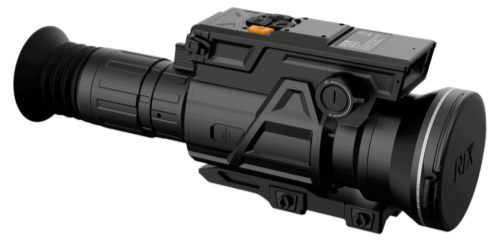
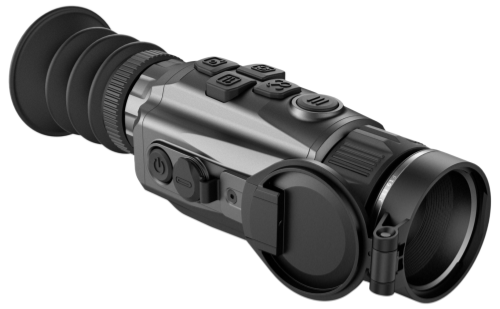
For hunters, thermal imaging monoculars provide a whole new approach to viewing the environment. These devices make hunting simpler and safer by allowing you a view of animals even in total darkness or through dense vegetation using heat-detecting technology. This post will cover thermal imaging's principles, benefits over conventional optics, and ways it might improve your hunting trips. Whether you hunt regularly or are just starting out, knowing these tools will offer up fresh opportunities and advance your field skills.
What is Thermal Imaging Technology?
Thermal imaging technique detects heat signatures—that is, infrared radiation released by every item. Thermal imagers produce images based on temperature variations, displaying warm bodies like animals as brilliant images against cooler backgrounds, unlike ordinary cameras, which depend on visible light.
A number of technical features improve the thermal monoculars' performance. Sensitivity to temperature variations is measured by NETD (Noise-Equivalent Temperature Difference), therefore allowing the identification of minute variations. The pitch of pixels affects clarity; lower pitches provide better resolution. The field of view dictates the area you can see at once; a larger perspective facilitates quick game spotting. Moving images' smoothness depends on frame rate; greater rates produce more fluid images.
Unlike traditional night vision, which depends on some light, thermal imaging requires none, making it effective in complete darkness and adverse weather. This advantage allows hunters to detect hidden or camouflaged animals better than ever before.

How Does Thermal Imaging Improve Your Hunting Experience?
1. Spot Game in Challenging Conditions
By accentuating heat signals, thermal imaging monoculars enable hunters to identify animals even in thick fog, deep vegetation, or total darkness. This skill helps you to identify games that would otherwise go unnoticed, providing you an advantage in locating your target independent of surroundings.
2. Track Game
Thermal gadgets can be quite helpful in tracking injured game once you have a shot. By showing warm blood trails and heat traces from footprints, they enable you to track the animal and guarantee a successful recovery. Ethical hunting calls for this skill to guarantee that no animal is left behind.
3. Improve Shot Placement
Thermal imaging helps you better see your target and find important places for precise shot placement. This accuracy lowers the possibility of injuring and raises the possibility of merciful, clean kills.
4. Hunting Safely
Safety comes first, and thermal monoculars help you to clearly tell game from non-targets like persons or animals. They also help locate possible hazards like water bodies or cliffs, so guaranteeing a safer hunting environment and lowering the possibility of unintentional killings.
How to Choose the Right Thermal Imaging Monocular
Factors to Consider
When selecting a thermal imaging monocular, start by determining your budget and intended use. Whether you need it for general wildlife watching or specialized hunting conditions, this will guide your choice. Think about the environments you'll be in; for instance, dense woods might require different features compared to open fields.
Key Features to Look For
- Detection Range: Choose a monocular with a range that suits your typical hunting scenarios. Longer ranges are beneficial for spotting game from afar.
- Magnification: Opt for adjustable magnification if you need versatility. It allows you to zoom in on distant objects without losing image quality.
- Battery Life: Ensure the device has sufficient battery life for extended outings. Models with rechargeable batteries or those allowing quick swaps can be handy.
- Resolution and Display Quality: Higher resolution provides clearer images, crucial for identifying animals at a distance.
Popular Brands and Models
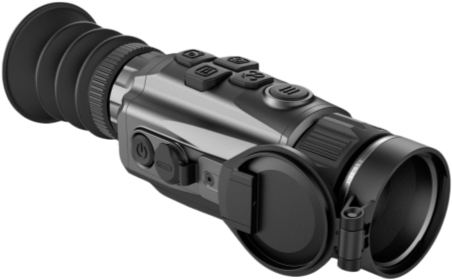
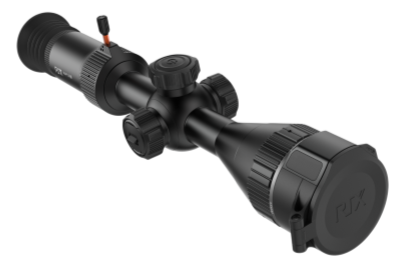
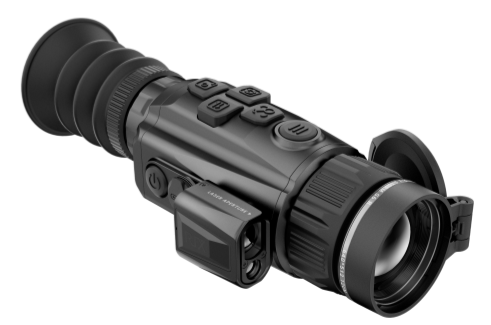
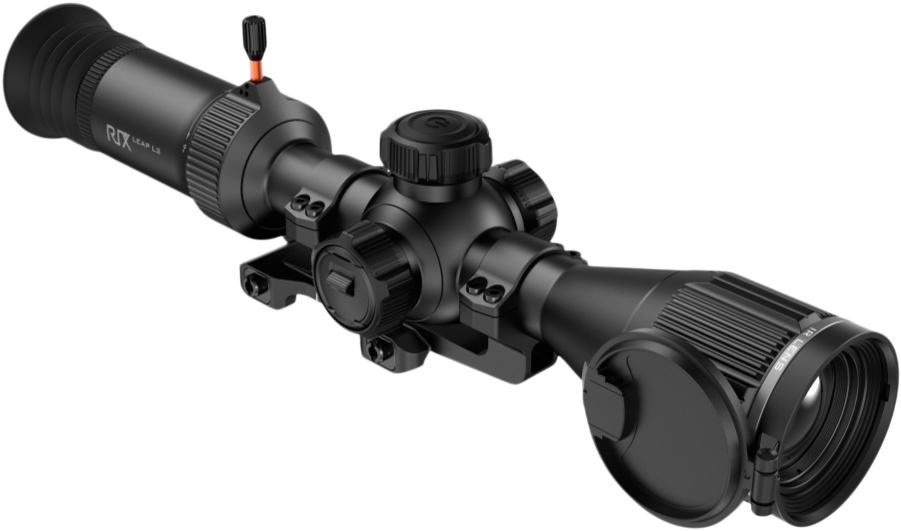
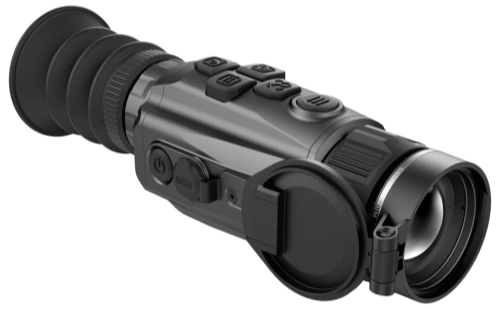
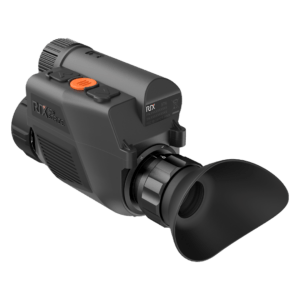
Some leading brands include RIX, Pulsar, and ATN. RIX offers user-friendly models like the POCKET series, known for rugged durability. The STRIDE series is popular for its high image quality and long detection range. Researching reviews and comparing specs will help you find a model that fits your needs perfectly.

Tips for Using Thermal Imaging Monoculars
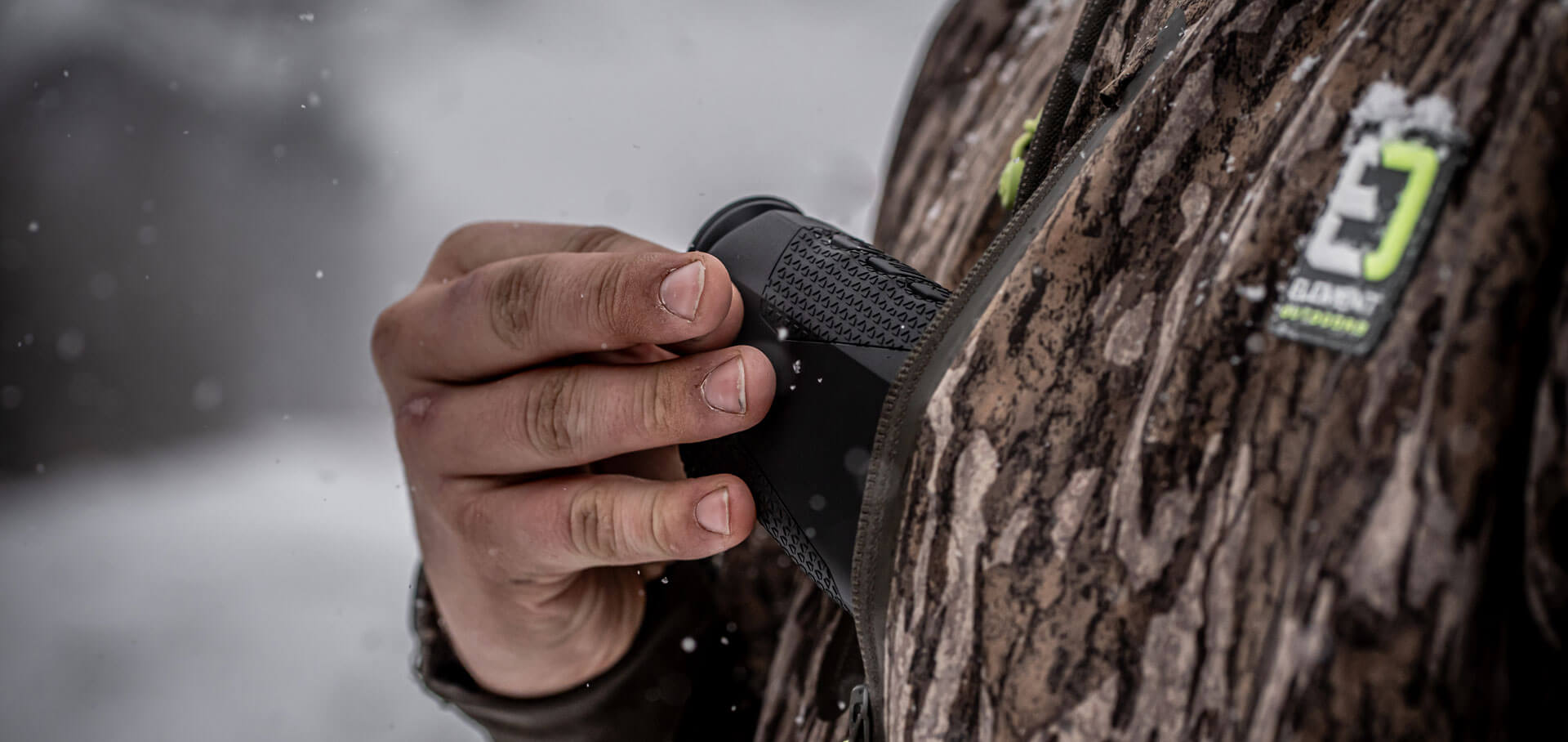
Store your thermal imaging monocular in a protective case while not in use to avoid dust, moisture, and physical damage and so guarantee its longevity. To maintain vision clarity, routinely clean the lens with a gentle, lint-free cloth. Steer clear of exposing the gadget to too high or low temperatures since this will compromise its operation. To keep your monocular working as best as it looks for manufacturer firmware upgrades.
Learn the monocular's settings and functions before you enter the field. Use it under several lighting settings to learn how diverse surroundings affect vision. Scanning for games, gently move the monocular across the terrain to prevent missing faint heat signals. For the greatest visual quality, change the brightness and contrast settings of the device based on surrounding circumstances.
Before moving or firing, always visually inspect your surroundings twofold. Staying mindful of non-thermal cues is crucial since thermal photos could lack comprehensive background when compared to daylight views. Consider other hunters and probable hazards, such as water bodies or cliffs, which might not be readily clear from the tool. Tell other hunters where you stand and dress in highly visible gear to reduce risks.
Reach the Potential of Thermal Imaging
Hunters would benefit much from thermal imaging monoculars in several ways: better shot accuracy, higher safety by spotting unseen threats, and improved visibility in darkness and tough environments. These tools help to track and recover game, enabling ethical hunting methods. While you think about including thermal technology into your hunting schedule, investigate other uses such as wildlife viewing and conservation projects. Explore further this amazing technology to completely understand its ability to change our interaction with the surroundings.
Comments