




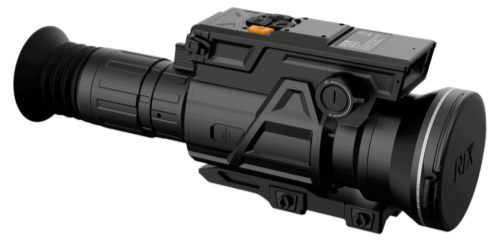



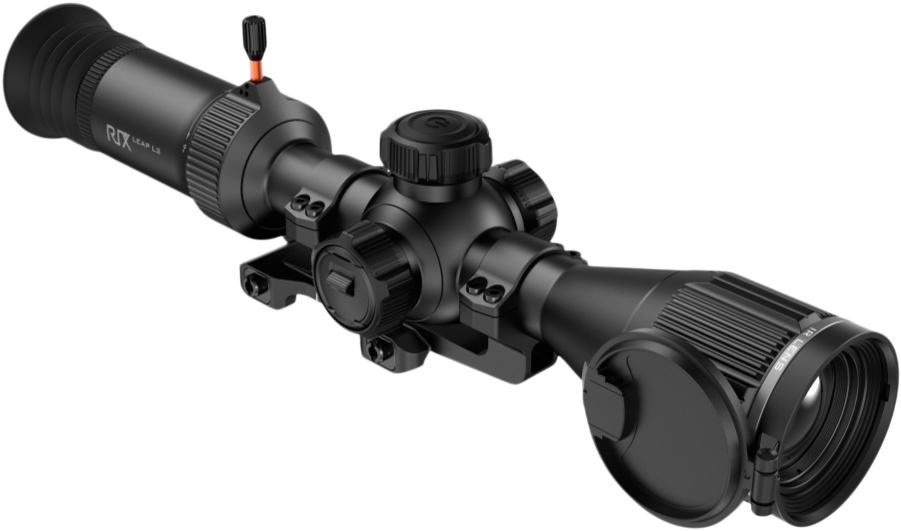
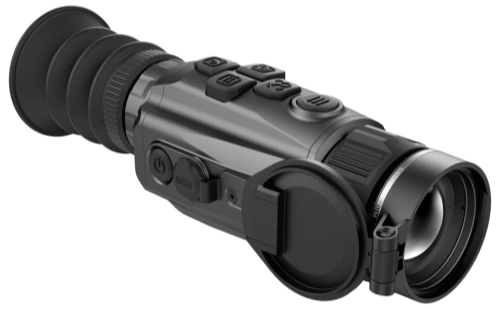
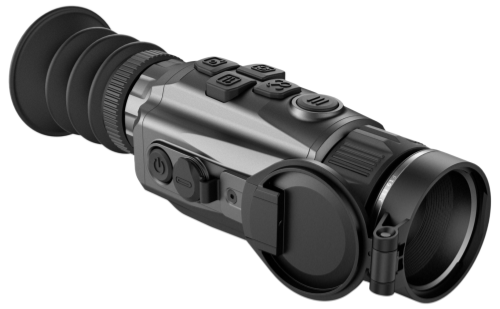
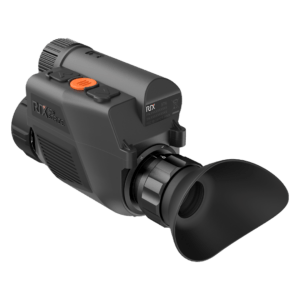

Why Continuous Optical Zoom Makes the LEAP Series the Premier Choice for Hunting Thermal Scopes
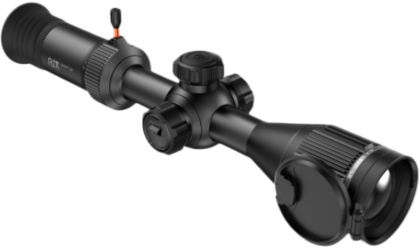
Hunting often demands split-second decisions, and traditional thermal scopes force a trade-off: low magnification for scanning or high magnification for precise targeting. The LEAP series eliminates this compromise by offering seamless transition between magnification levels without any loss in image quality.
What Sets Continuous Optical Zoom Apart
Most thermal scopes use digital zoom, which crops and enlarges the image. While cost-effective, this approach reduces resolution, resulting in blurred details when precision matters most.
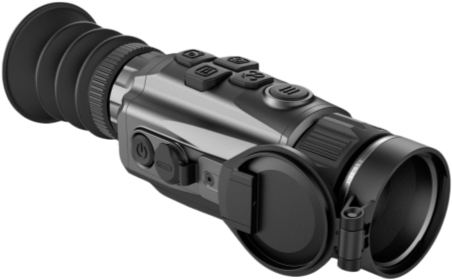
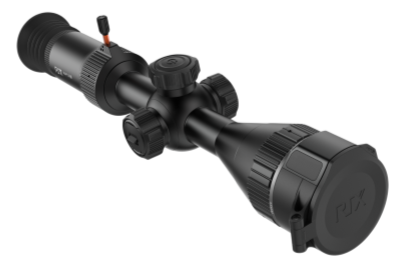
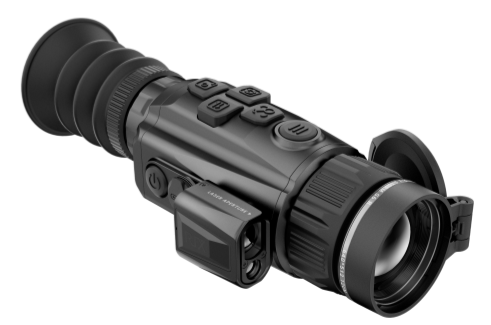
In contrast, the LEAP series employs a fundamentally different and superior approach — true continuous optical zoom. This technology enables the physical movement of lenses to adjust magnification, similar to high-end camera lenses. As a result, the full resolution of the thermal sensor is preserved across the entire zoom range. Whether scanning at 3.2x on the LEAP L3 or zooming to 9.6x for precision targeting, the image remains sharp and detailed.

The Engineering Behind Superior Performance
The technical advantages of the LEAP series stand out significantly. Digital zoom often results in a substantial loss of image quality because it crops and enlarges the image, reducing the effective resolution. In some cases, this process can discard a large portion of the sensor's data, leading to visibly lower detail. In contrast, the LEAP's continuous optical zoom system maintains the full utilization of the sensor's capabilities throughout the zoom range.
For example, when zooming from 2.8x to 8.4x on the LEAP L6, the device keeps its complete sensor resolution of 640×360, ensuring consistent image clarity. This enables superior target identification, enhanced heat signature differentiation, and greater confidence in shot placement at any distance.

How This Transforms Your Hunting Experience
Smooth Target Tracking: The continuous zoom capability allows for real-time magnification adjustments while tracking moving targets. Unlike conventional systems, there are no abrupt transitions between zoom levels — only seamless and precise control that keeps the user focused on the target.
Instant range Adaptation: Upon spotting a deer at 800 yards, users can begin with low magnification to assess the situation and then smoothly transition to higher magnification for precise targeting — all without losing sight of the subject. This fluid transition is impossible with traditional step-zoom systems.
Enhanced Target Identification: Maintaining high image quality at increased magnification enables confident identification of distant targets. With the LEAP L6's detection range extending up to 2843 yards, preserving optical resolution is crucial for distinguishing heat signatures from background noise.
Digital Zoom vs. Optical Zoom: A Critical Comparison
| Zoom Type | Image Quality | Sensor Usage | Best Use Case |
| Digital Zoom | Degrades with magnification | Utilizes only a portion of the sensor | Budget-friendly options |
| Continuous Optical Zoom | Maintains full quality | Utilizes the entire sensor | Professional and precision hunting |
| LEAP System | Consistently optimal at all zoom levels | Full sensor utilization | Versatile and demanding hunting scenarios |
Most hunters focus on magnification values and digital zoom without realizing that optical zoom—especially continuous optical zoom—offers far superior image quality. Unlike digital zoom, which sacrifices resolution by cropping and enlarging the image, optical zoom fully preserves sensor details, ensuring clearer and more reliable visuals.
With continuous optical zoom, you can transition smoothly across the entire zoom range. Start wide for fast scanning, then gradually zoom in to reveal fine thermal details—without pixelation, image jumps, or loss of focus.
In real hunting scenarios, this makes all the difference:
- When game moves between open fields and dense cover, seamless zooming keeps the target visible and centered.
- In early morning fog or low-contrast terrain, smooth magnification helps highlight subtle thermal differences that distinguish your target from the background.
- During long observation, it eliminates the need to constantly switch optics or compromise on view—everything is built into one fluid system.
Continuous optical zoom delivers both situational awareness and pinpoint detail, adapting instantly to the environment you face.
Real-World Application: The LEAP Series in Action
Consider a typical coyote hunt scenario. You're scanning open terrain at 3x magnification when you detect heat signatures at the tree line. With traditional digital zoom, increasing magnification would result in pixelation, making it difficult to determine whether the detected heat sources are coyotes or livestock.
With the LEAP's continuous optical zoom, users can smoothly zoom in while maintaining crystal-clear resolution. This enables clear visualization of distinctive heat patterns, allowing for accurate identification of targets, assessment of movement, and selection of the optimal shot opportunity - all without the image degradation commonly associated with digital zoom systems.
Making the Smart Choice for Your Next Hunt
How to buy a thermal scope? You are making a strategic investment—not just in equipment, but in increasing your chances of success in the field. The continuous optical zoom technology featured in the LEAP series offers a fundamental performance advantage that will enhance every hunting experience.

The combination of consistent image quality, fluid zoom operation, and mechanical reliability - without reliance on digital interpolation - positions the LEAP series as hunters who demand the best thermal scope.
Ready to experience the difference that true optical zoom makes? Thermal & Night Vision Scopes | Precision Hunting Optics | RIX Optics and discover why more hunters are choosing RIX for their most important shots.
My Rix S3 thermal scope meets all my expectations. It has clarity, long battery life and easy mount.
However, your manual stinks. If it weren’t for online utubes, personal directions from others, and experimentation, I would never have gotten it sighted. Several simple steps would make it much more practical.