










How to Select the Right Thermal Scope Color Palette for Hunting
When hunting in complete darkness, you rely on your thermal imaging scope to spot potential targets. However, environmental heat sources - like sun-warmed rocks - can produce thermal signatures that resemble animals at rest, complicating detection. Before attributing these challenges to visual fatigue or considering an upgrade to a more advanced sensor, it’s crucial to evaluate a key factor: the color palette setting on your thermal scope. Selecting the correct palette is not just a matter of preference; it is a tactical choice that can significantly impact detection accuracy and the overall success of your hunt.
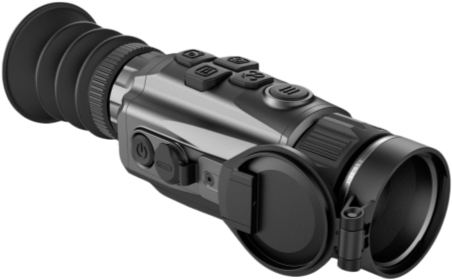
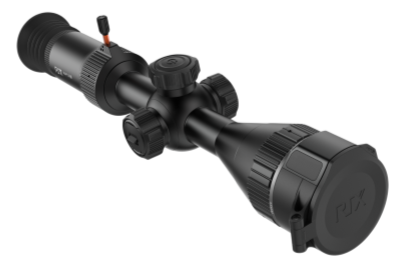
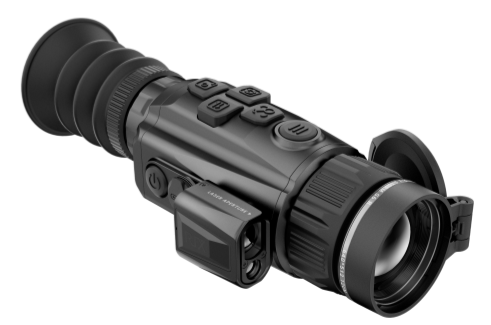
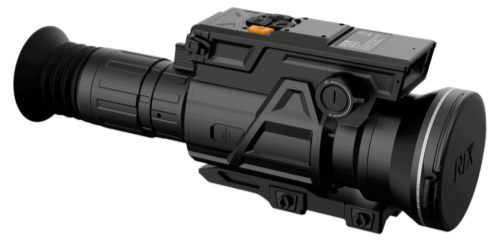
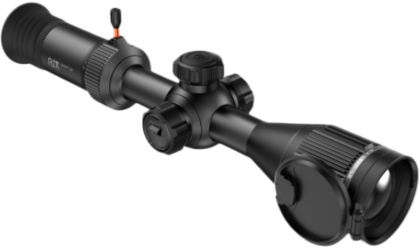
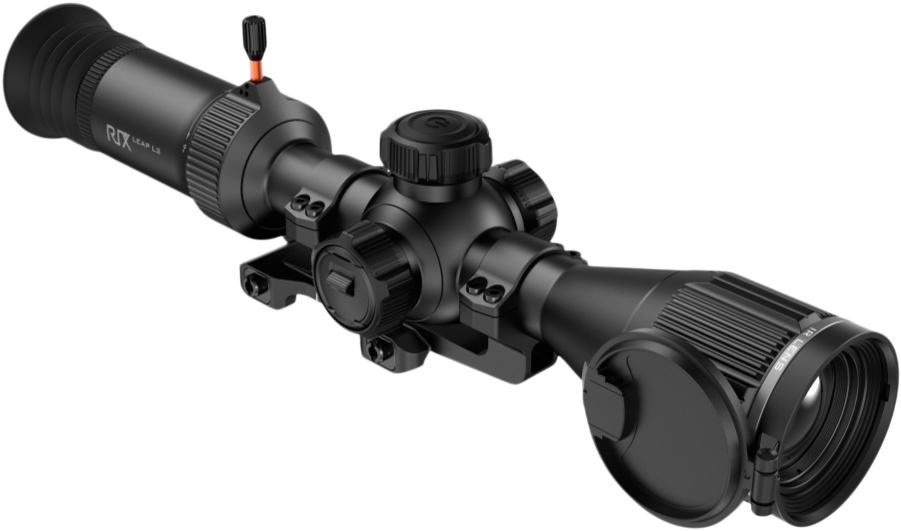
At RIX, we designed the LEAP Series thermal riflescopes with multiple color palette options because no single configuration suits all conditions. Changes in terrain, target species, lighting, and atmospheric conditions demand flexibility in visualization strategies. This guide explains the functionality of each color mode and offers recommendations for their optimal use, helping hunters maximize their field performance.
Understanding Thermal Scope Color Palettes: Translating Heat into Visual Data
A common misconception about thermal imaging is that it detects visible color. In reality, thermal imaging systems measure infrared radiation—heat emitted by objects—and translate it into a visual representation of temperature differences within the field of view. The color palette is essentially a tool that maps these temperature variations into perceivable formats, enabling the human eye to interpret thermal data effectively.
The primary purpose of a color palette is to enhance contrast, allowing hunters to quickly and accurately distinguish between objects of differing temperatures. By assigning specific colors or shades to various thermal ranges, warm targets—like animals—stand out against cooler backgrounds. This not only speeds up detection but also reduces visual fatigue during prolonged use, improving accuracy and endurance in the field.
Three Core Thermal Imaging Palettes for Hunters
Most thermal imaging scopes feature three primary color palettes. Mastering their use enables hunters to adapt to diverse environments and interpret thermal data with greater precision.
1. White Hot: Optimal for Rapid Target Acquisition
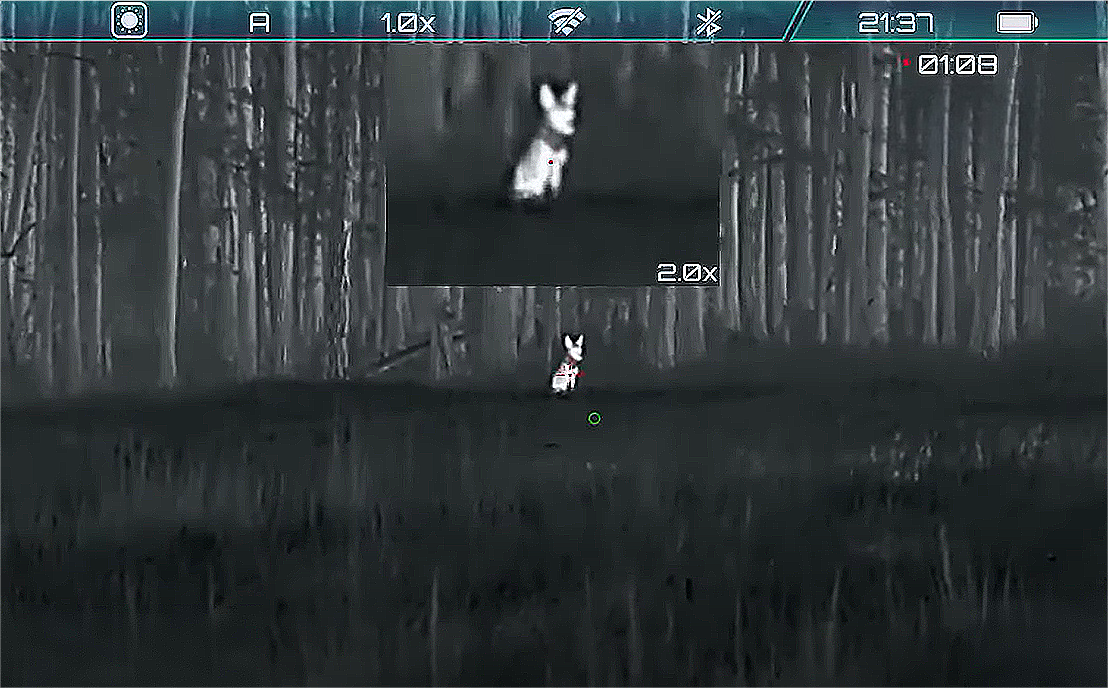
In White Hot mode, warmer objects appear as bright white, while cooler regions are displayed in darker shades of gray or black. This mode is the default for many thermal scopes due to its intuitive design - similar to black-and-white photography - and its ability to facilitate quick cognitive processing.
Recommended Use:
- Open terrain where rapid detection of heat signatures is crucial.
- Warm-bodied animals appear as high-contrast white shapes against dark backgrounds, making them easy to identify.
Expert Insight:
White Hot excels in low-humidity conditions where thermal contrast between targets and the environment is pronounced. It is particularly effective for initial area scans and long-range detection in clear atmospheric conditions.
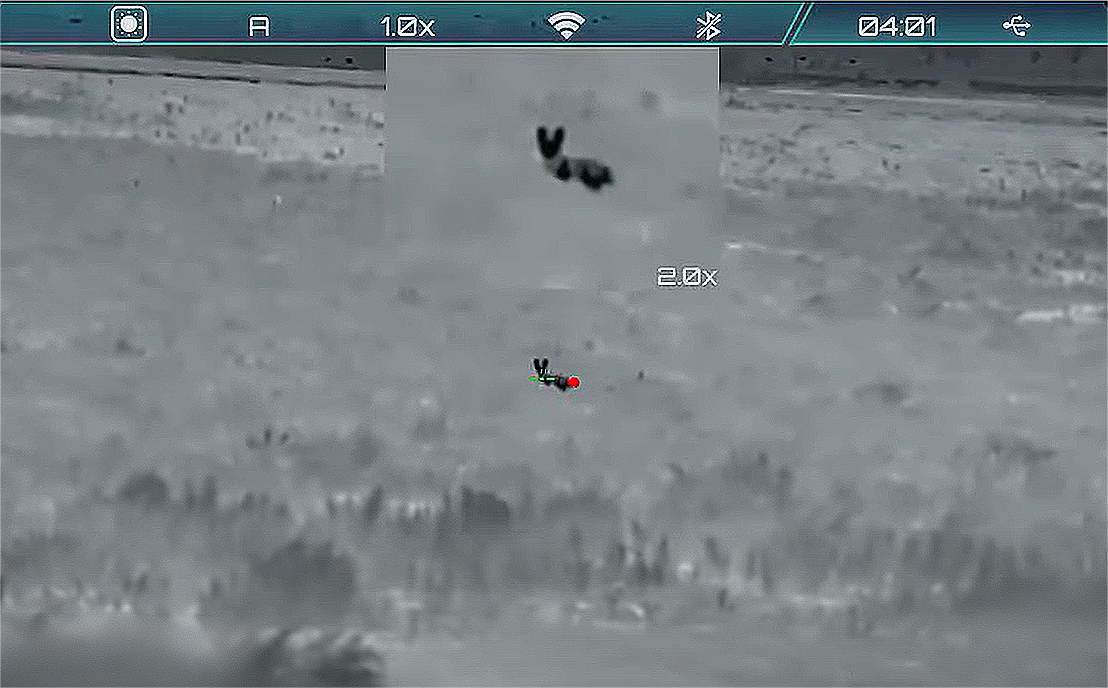
2. Black Hot: Enhancing Detail and Discrimination
Black Hot inverts the grayscale representation of White Hot: the hottest areas appear dark, while cooler regions are rendered in lighter gray or white.
Recommended Use:
- Situations requiring fine detail recognition, such as confirming target identity before hunting.
- Identifying anatomical features obscured by vegetation or differentiating closely spaced heat sources.
Expert Insight:
Black Hot is ideal for cluttered environments where precise shape recognition is necessary. Its light-toned background reduces eye strain during extended use, preserving visual acuity and supporting ethical hunting by enabling clear differentiation between game animals and non-target heat sources.
3. Red Hot: High-Acuity Target Highlighting
Red Hot works similarly to White or Black Hot but adds vivid color overlays—typically red, orange, or yellow—to the most thermally active regions.
Recommended Use:
- Complex environments with overlapping heat signatures.
- Highlighting the most thermally active areas to speed up target acquisition.
Expert Insight:
Red Hot is particularly effective in distinguishing living animals from residual environmental heat, such as sun-warmed rocks or decaying stumps. This reduces the risk of misidentification in thermally crowded scenes.

Specialized Color Palettes in RIX LEAP Series Scopes
The RIX LEAP Series offers additional advanced color palettes tailored to specific operational needs. These are not cosmetic options but functionally designed tools to address real-world challenges.
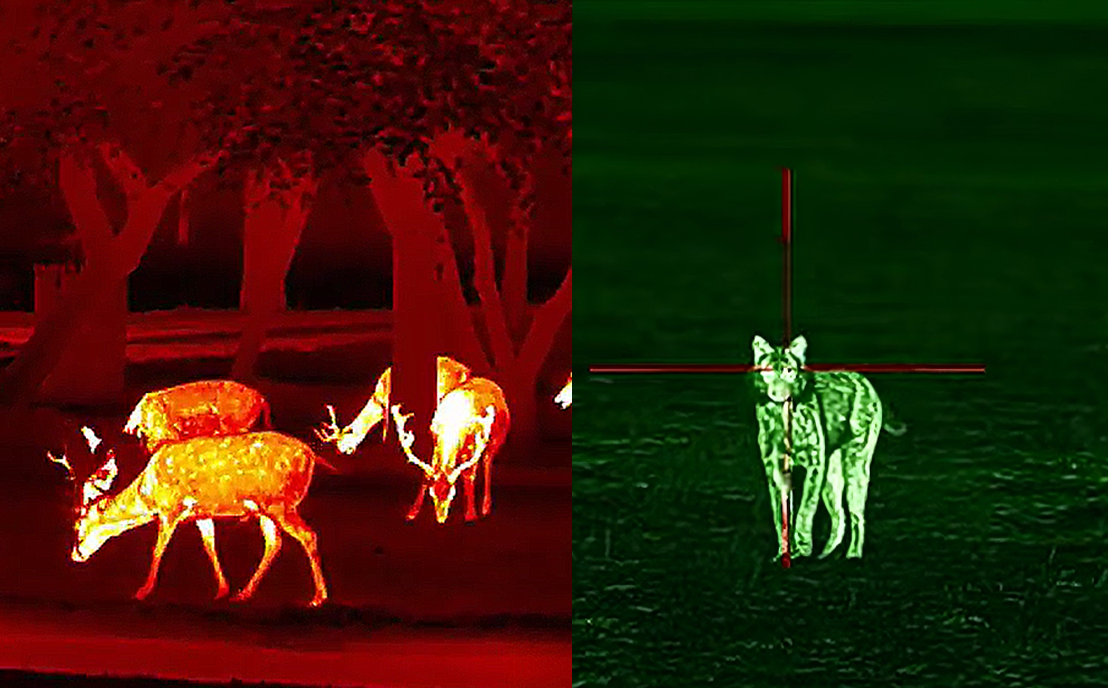
Red Monochrome and Green Monochrome
- These palettes use varying intensities of a single color to represent thermal gradients.
- Green, in particular, induces minimal eye fatigue, making it ideal as the best thermal scope of prolonged use.
Recommended Use:
- Long surveillance operations, such as predator calling or ambush setups.
- Green Monochrome preserves night vision sensitivity and reduces visual fatigue, maintaining focus during extended observation periods.
Color Mode
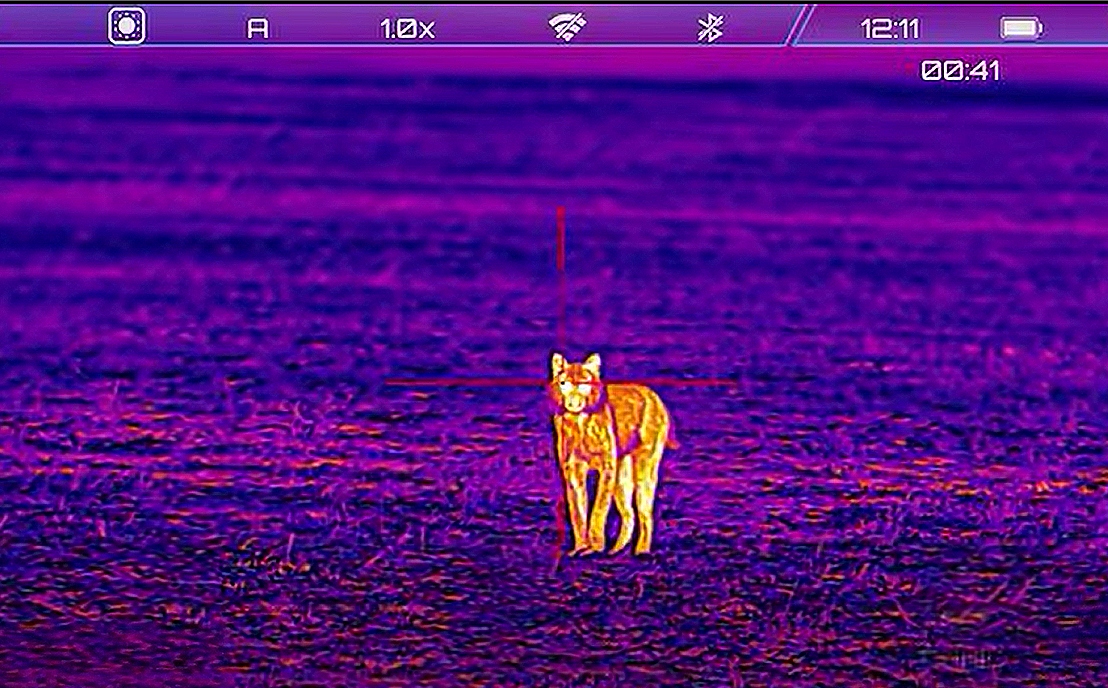
This palette employs a full-spectrum gradient, with reds and yellows indicating the hottest zones, greens and cyans for moderate temperatures, and blues or purples for cooler areas.
Recommended Use:
- Scene assessment and post-shot tracking.
- While potentially distracting in dynamic huntings, Color Mode excels in analyzing heat distribution patterns and detecting faint thermal traces, such as blood trails, which stand out due to their distinct thermal profiles.
Matching Color Palettes to Hunting Scenarios
Choosing the right color palette depends on the specific conditions of your hunt. The table below provides guidance for optimal palette selection:
| Scenario | Primary Recommendation | Rationale |
| Open-field coyote hunting | White Hot | Maximizes contrast for detecting small, distant targets in unobstructed areas. |
| Hog hunting in dense woodland | Black Hot | Enhances edge definition and detail, aiding in target identification through foliage. |
| Long-duration surveillance | Green Monochrome | Reduces eye fatigue, preserving focus during extended observation. |
| Post-shot tracking | Red Hot or Color mode | Highlights subtle thermal anomalies, such as blood trails or wounded animals. |
Dynamic Palette Utilization: A Strategic Approach
There is no universally "best" color palette for all scenarios. Skilled hunters treat palettes as tools, switching between them to match environmental and operational demands. Start with White Hot for broad-area scanning, transition to Black Hot for detailed confirmation and identification, and switch to Monochrome or Rainbow modes for specialized tasks like prolonged surveillance or post-shot analysis.
Proficiency develops through deliberate practice. Test each mode in varying terrains and lighting conditions to gain familiarity. With sufficient experience, selecting the optimal palette for any situation becomes second nature, enabling faster and more accurate decisions.
To fully exploit the potential of modern thermal imaging technology, explore the advanced color palette options available in the RIX LEAP Series thermal riflescopes. Visit RIX Optics to find the best thermal scope as the ideal solution tailored to your hunting objectives.
Comments