








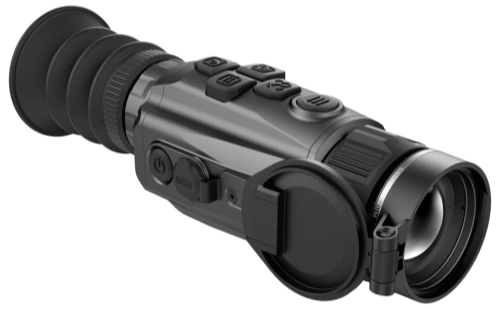
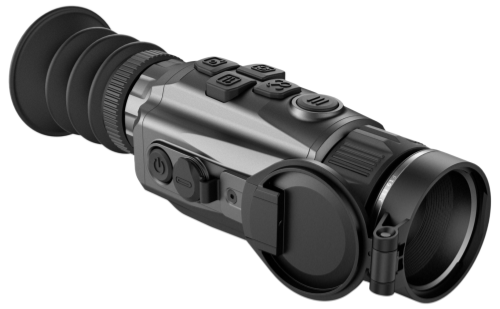

Can a Thermal Scope Be Used in Daylight?
Quick Answer
Yes, you can use a thermal scope during the day. These thermal scopes don't need darkness to work; they spot heat instead of light. So, no matter if it's bright or dark out, thermal scopes can help you see things that are warm, like animals or people, even when the sun is up. With the right settings and features, they still do their job well during the day.
Introduction
Thermal scopes, often thought of as tools for the cover of night, harness infrared technology to detect heat signatures from living creatures and objects, allowing us to see beyond the capabilities of the human eye. But can these advanced devices also be effective under the bright light of day? This article talks about the mechanics of thermal scopes, exploring how they function in various lighting conditions, particularly during daylight. We'll tackle the inherent daytime challenges and provide you with an informed perspective on selecting and using a thermal scope when the sun reigns supreme, ensuring you have all the information needed to make the most out of this fascinating technology.
What Should You Know First about Thermal Imaging?

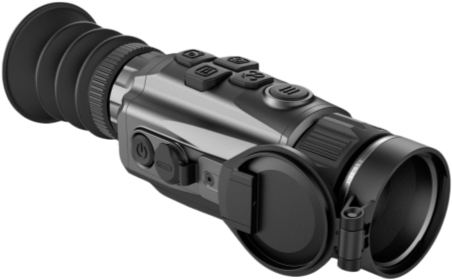
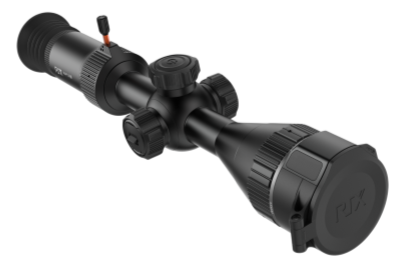
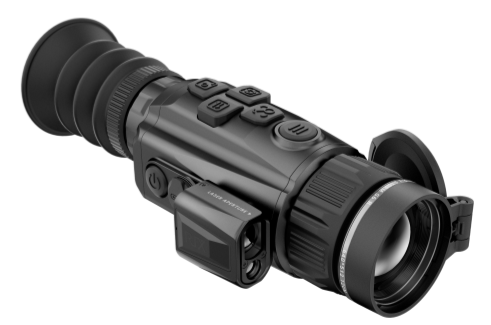
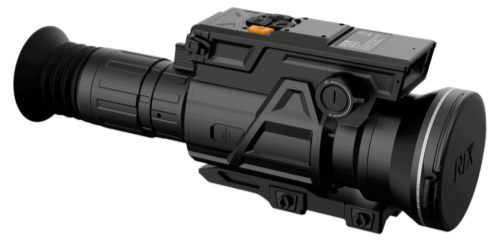
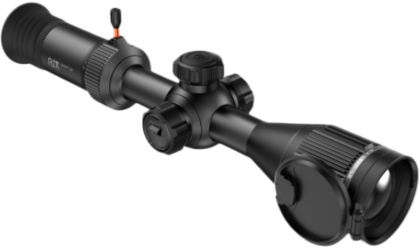
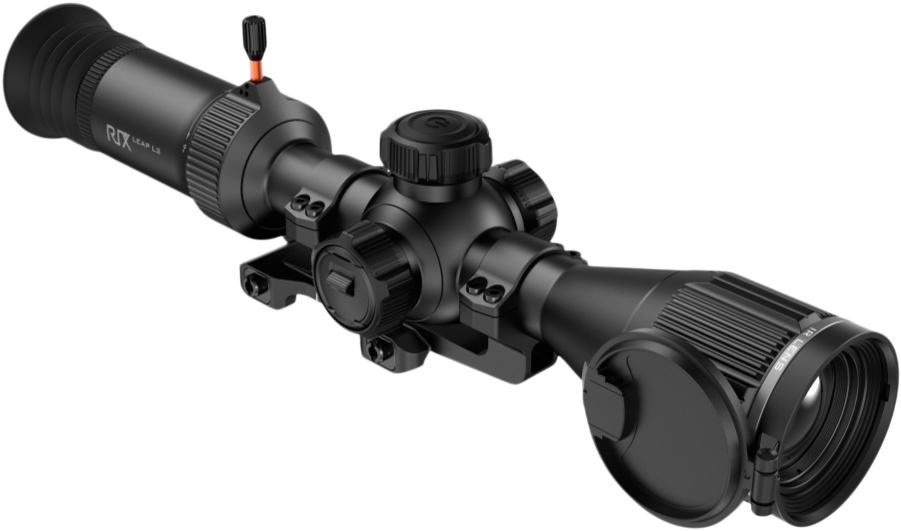
At its core, a thermal scope is a sophisticated device that translates heat—emitted by all objects, living or not—into a visual image. This process is possible due to infrared energy, which is invisible to the naked eye but can be detected as heat. Inside every thermal scope are critical components: a sensor that captures this energy, a processor that translates the data into an image, and a display where the image appears. Unlike traditional night vision equipment that amplifies limited light, thermal scopes rely on temperature differences, making them equally functional in both night and daytime settings.
Daylight Applications of Thermal Scopes
Advantages in Day Settings
During daylight, thermal scopes offer distinct advantages that can be pivotal for various activities. For example, in wildlife monitoring, animals that are adept at camouflage and hiding within their environments can still be easily detected by their heat signatures. In broad daylight, the contrast between the body heat of an animal and the cooler surrounding environment often becomes even more pronounced, making thermal scopes a valuable tool for researchers and hunters alike.
In city, potential intruders or threats can blend into the crowded visual landscape. However, thermal scopes cut through these visual camouflages, highlighting individuals by their body heat against cooler backgrounds, which can include buildings, vehicles, and foliage. This capability is particularly beneficial in urban settings where shadows and sunlight create complex patterns of light and dark.

Addressing the myth head-on, it's clear that thermal scopes are not just nocturnal instruments; they serve a critical purpose during the day as well. Their ability to extract clarity from chaos makes them invaluable in a wide range of professions and hobbies that require acute observational powers in the daytime.
How to Use Thermal Scopes During the Day?
1. Understand Your Scope: Familiarize yourself with the specific model of the thermal scope you have. Understand its controls, settings, detection ranges, operating temperature range, and how to adjust for focus and contrast. This knowledge will help you optimize the device for daytime use.
2. Adjust Contrast and Brightness: Daytime use may require adjustments to the scope's contrast and brightness settings due to the ambient temperature and presence of sunlight. Adjust these settings to enhance the visibility of targets against warmer backgrounds.
3. Find Shade: If possible, operate from shaded areas. This can reduce the glare and effects of the sun, providing a cooler background that can help targets stand out more clearly in the thermal image.
4. Use Color Palettes: Many thermal scopes offer different color palettes that present heat signatures in various shades and colors. Experiment with these to determine which palette offers the best contrast for your environment and target during daylight hours.
5. Scan Slowly: Move the scope slowly across your field of view. Quick movements can make it harder to spot the subtle differences in heat signatures that become more crucial in daylight when temperature contrasts are lower.

6. Battery Management: Thermal scopes can consume a lot of power. During the day, you might use the device more intensively, so ensure you have spare batteries or a power source to keep the scope operational.
7. Prevent Lens Damage: Never aim your thermal scope directly at the sun, as this can damage the internal sensors.
8. Utilize Standby Modes: If your scope has a standby or sleep mode, use it to save battery life when the scope is on but not actively being used.
9. Understand Environmental Factors: Be aware that humidity, rain, fog, and other atmospheric conditions can affect the performance of thermal imaging during the day.
10. Practice and Training: As with any skill or tool, proficiency with a thermal scope comes from practice. Spend time using your scope under various conditions to understand how different factors affect its performance.
11. Know the Law and Ethics: Always be aware of local laws regarding the use of thermal scopes, especially if you are using them for hunting.
Step into the night with RIX Optics, where clarity meets simplicity. We cut through the clutter of choosing night vision gear—goodbye to confusing specs and over-the-top prices. Our mission? To give you top-notch, durable night vision products that won't break the bank. Innovation is our game, as we constantly craft new, user-friendly ways for you to enjoy the dark. And it doesn't stop at the sale; we've got your back with stellar support whenever you need it. With RIX, it's not just about the gear—it's about the whole experience, making sure every moment you spend in the night is one to remember.
Concluding Thoughts on Daylight Thermal Scopes
To wrap up, thermal scopes are powerful tools not just for nighttime but also for daytime use. Their innovative infrared technology allows us to visualize heat signatures rather than relying solely on light, making them remarkably effective across varied lighting conditions. Despite some environmental challenges, with regular calibration, suitable adjustments, and a clear understanding of their usage, these devices can offer distinct advantages during daylight. Whether you're tracking wildlife, ensuring security, or exploring the great outdoors, investing in a high-quality thermal scope enriches your visual experiences by shedding light on what's usually unseen. As you embark on this journey, remember that it's about more than purchasing a product—it's about embracing an entire experience, one that RIX is committed to making memorable.
Read more about thermal scope
The topic was well explained…. I appreciate your thorough approach….