













Essential Gear for Coyote Hunting: How to Outfit Yourself for Success in the Apex Predator Challenge
Heading out for a coyote hunt is all about the thrill and the smarts—and a big part of that depends on your gear. Coyotes themselves are smart, elusive animals to track down, so you need more than good instincts—you need a correct choice of rifle in your hands, besides having the best scope on top of that mounted on your rifle. Whether it's high noon or dead night, the right equipment will change things a lot. We're here to tell everything from picking your guns to the camo that'll keep you out of sight. After reading this, you are able to garner the challenge to hunt these clever creatures with confidence.
1. Select Your Coyote Hunting Weapon
When it comes to tracking down coyotes, selecting the right weapon is essential. Known for their resilience and cunning, coyotes require a dependable tool to ensure a successful hunt. Most hunters opt for a rifle, prized for its speed, accuracy, and power, providing the necessary firepower for a humane and effective take-down.
Rifle Requirements
A good coyote hunting rifle should be lightweight for those long treks through hunting grounds and offer pinpoint accuracy for the often-distant shots needed. Calibers like the .223 Remington, .22-250 Remington, and the .243 Winchester are popular among coyote hunters because they're fast, have a flat trajectory, and pack enough punch without too much recoil.
Ammunition Choices
As important as your rifle is, the type of bullets you use can make a big difference, too. You want something that expands on impact to ensure a quick, humane kill. Look for varmint-specific rounds that are designed for this purpose; they'll help minimize pelt damage, which is especially important if you're planning to sell or keep the fur.
Notice: While larger calibers might appear to offer a more powerful solution, they can cause excessive damage to the pelt and may be overkill. Instead, stick with the reliable calibers recommended by experienced hunters, which strike the right balance between efficiency, effectiveness, and ethical hunting practices.

2. Choose Your Optics: The Hunter's Eyes
For coyote hunting, how well you can see your target will also affect your success. Coyotes are elusive, often moving swiftly across varied terrain. Having the right optics can mean the difference between going home empty-handed or with a successful harvest.
Daytime Hunting Optics
During daylight hours, visibility is generally good, but conditions can still be challenging. It’s not just about spotting your prey; it’s about understanding your prey’s movements and behavior without being detected.
- Variable Magnification: A scope that offers variable magnification gives you flexibility. You can zoom out to track a coyote as it moves and then zoom in for a precise shot when the opportunity arises.
- Lens Quality: Look for high-quality lenses that provide crystal-clear images. Coated lenses are often preferred because they offer better light transmission, which is especially helpful during those dawn and dusk hours when coyotes are most active.
- Reticles: The reticle, or crosshair design, should suit the vast and open terrain often encountered in coyote hunting. A BDC (Bullet Drop Compensator) reticle can help you quickly adjust for bullet drop at different ranges without needing to re-zero your scope.
The Advantage of Nighttime Optics
As twilight fades and the nocturnal world awakens, coyotes start moving, and your coyote hunting strategy must adapt. This is where "Night Vision Scopes" and "Thermal Scopes" work in the dark.
Night Vision Scopes amplify any available light—starlight, moonlight, or ambient light from distant sources—to illuminate your target. They’re perfect for nights with clear skies or areas with some ambient light pollution. However, if your hunt takes you into pitch-black environments or dense fog, their functionality may be limited.
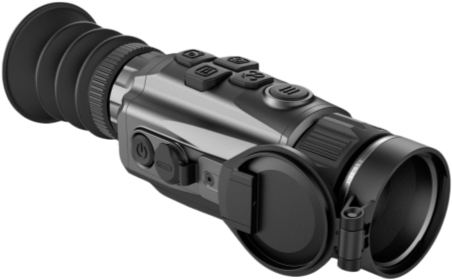
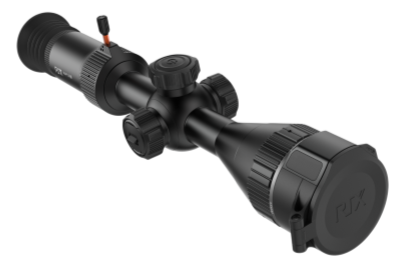
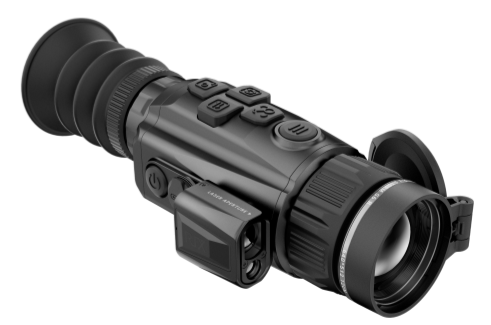
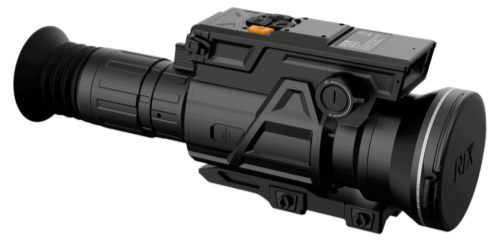
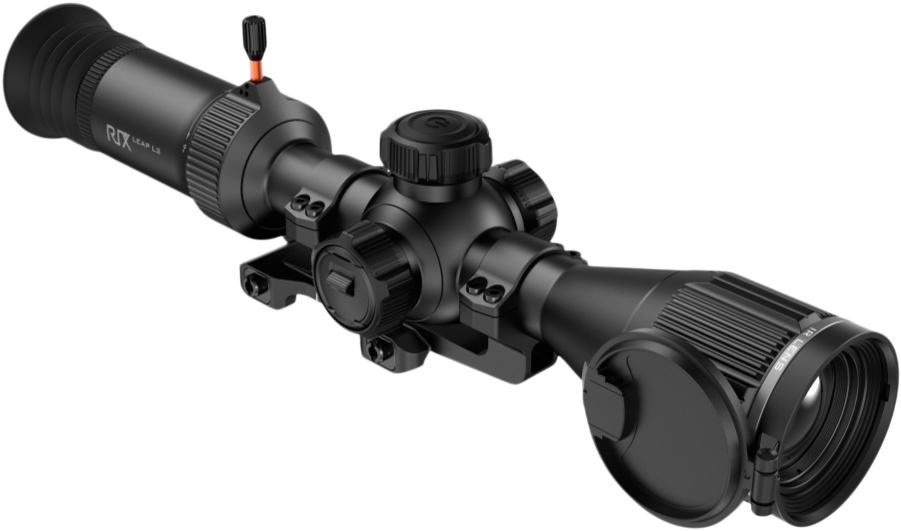
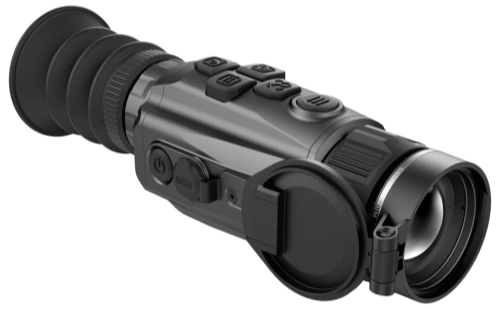
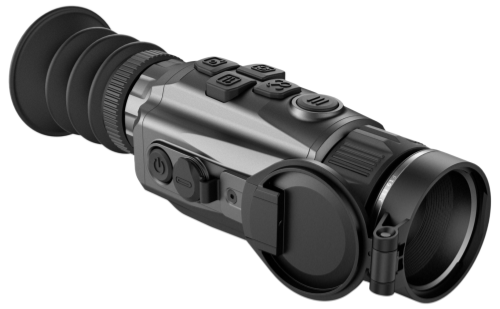
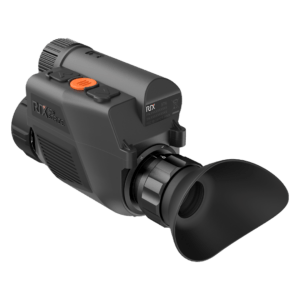
Thermal scopes detect heat signatures, so they work in total darkness and can see through obstructions like brush or tall grass. They reveal the body heat of coyotes against the cooler background, making them stand out sharply, regardless of lighting conditions. Thermal scopes have become more compact and user-friendly, providing hunters with a significant advantage on night hunts.While their strength is in low-light conditions, you might be surprised to learn that thermal scopes can also be effective during the day.To learn more about the science behind thermal imaging, check out this article: Understanding Thermal Scopes: How Do They Work.
How do Night Vision Scopes and Thermal Scopes Help in Coyote Hunting?
- Identifying Prey at a Distance: Both day and night vision scopes allow you to identify coyotes from afar, minimizing the risk of scaring them off by getting too close.
- Tracking Movements: Good optics help you follow the animal’s movement carefully so you can anticipate shooting opportunities.
- Precision Shooting: With clear visuals and tools like illuminated reticles and rangefinding capabilities, you can place your shots with precision, which is essential for ethical hunting practices.
- Adaptability: Advanced features in modern optics like different color palettes in thermal imaging or adjustable brightness settings in night vision scopes improve adaptability to changing conditions.

Hunters use RIX Thermal Scopes in white hot mode for coyote hunting.
Both thermal scopes and night vision scopes come with various features, so consider what will serve you best in your usual hunting conditions. Think about battery life, display options, and additional functionalities like recording or GPS tracking that some high-end models offer. Make sure to take the time to get comfortable with whichever optic you choose; familiarity can mean the difference between a missed opportunity and a triumphant hunt.
3. Master the Art of Concealment and Attraction
Getting your weapon and optics dialed in is just part of the coyote hunting equation. To really enhance your hunt, you’ll need to master the art of blending in with your surroundings and luring coyotes into range. This means focusing on camouflage, baiting strategies, and other auxiliary equipment that supports your hunt.
Camouflage: Becoming Invisible
Coyotes have keen eyesight, so effective camouflage can make or break your hunt. Choose patterns that match the environment you're hunting in—whether it's woodland, brush country, or winter landscapes. Don't forget about face masks, gloves, and even camo tape for your gear; any unmasked scent or shine can alert a coyote to your presence.
Calling Them In
Sounds are one of your best tools. A variety of calls can mimic prey animals or even other coyotes. Electronic calls are handy, letting you produce a range of noises that can bring curious coyotes straight to you. Mouth calls also work well, though they take more practice to master.
Baiting Tactics
Some hunters use bait to attract coyotes. This can be anything from small animal carcasses to specially formulated scents. Remember, baiting laws vary by region, so always check local regulations before setting out.
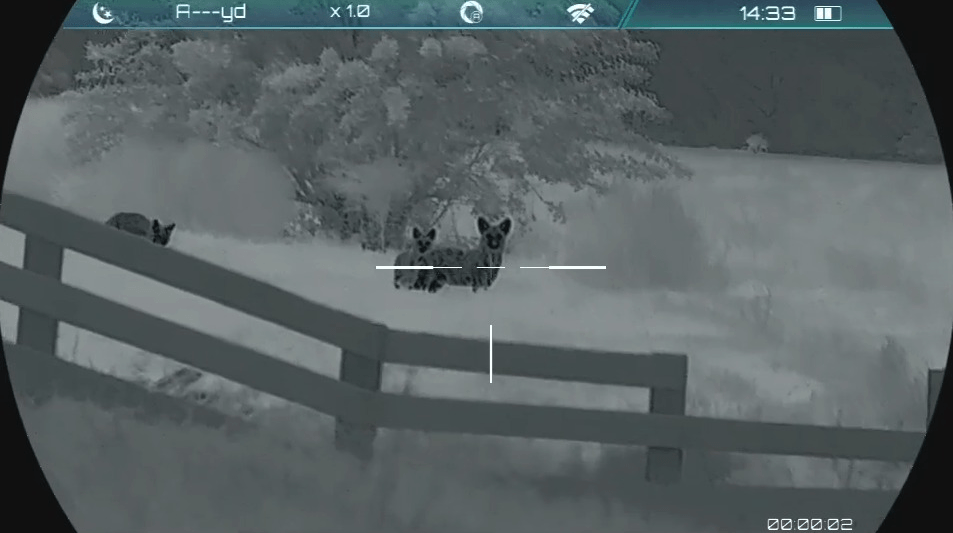
Hunters use RIX Thermal Scopes in black hot mode for coyote hunting.
Other Gear to Consider
There are a few more items you might want to pack:
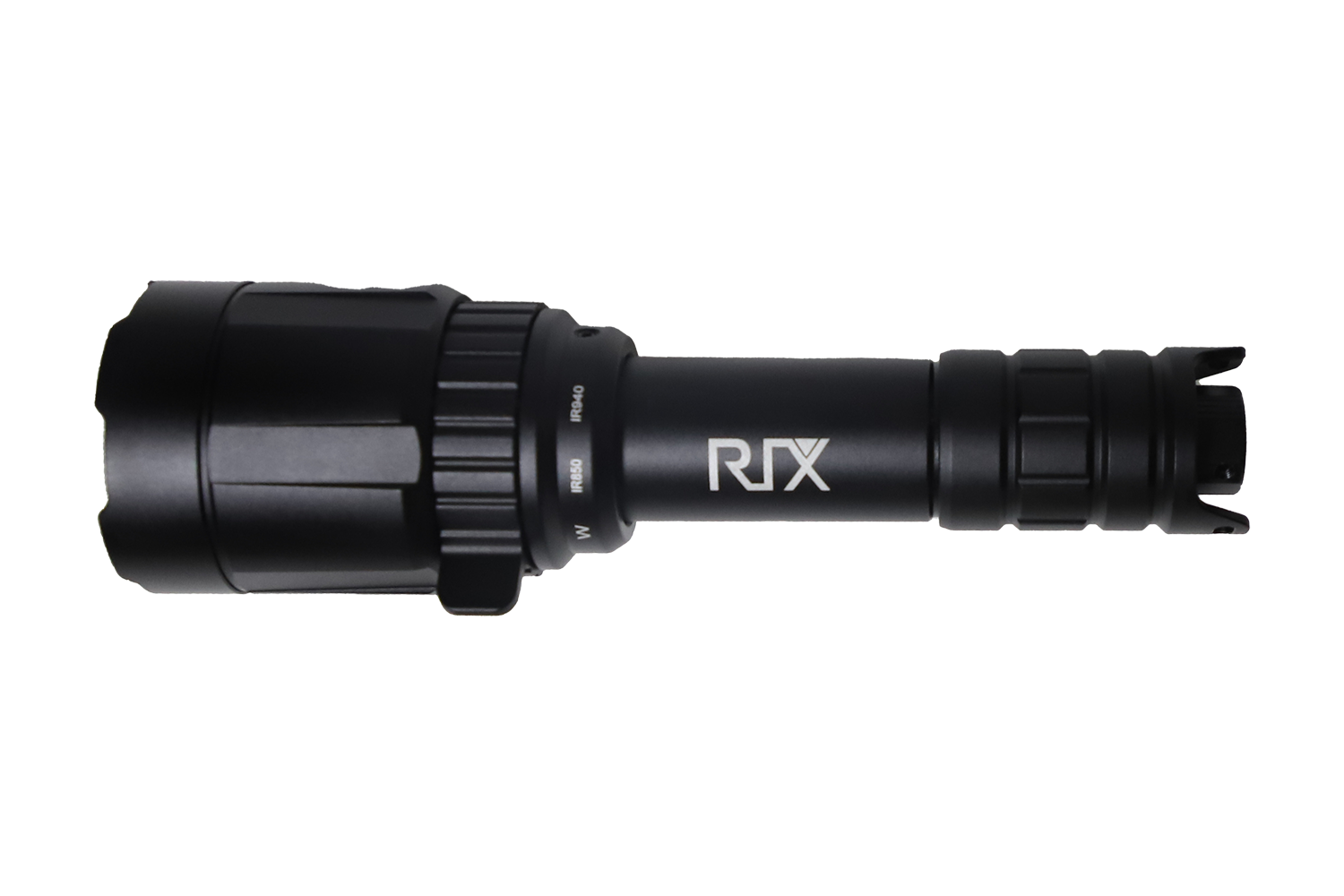
- Portable Lights: If you’re not using a night vision or thermal scope, a good quality flashlight or headlamp with a red or green filter can help you navigate without startling wildlife.
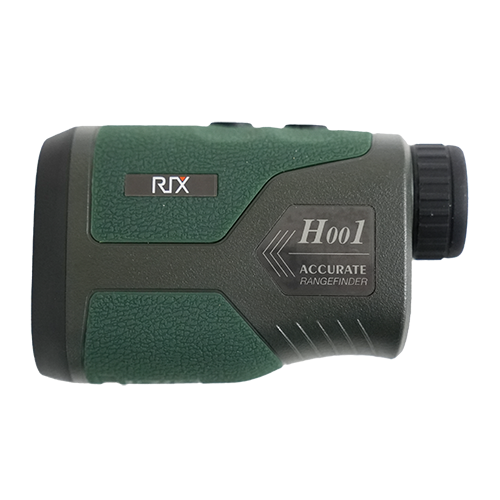
- Rangefinder: Knowing the exact distance to your target is essential for making accurate shots, especially when using scopes with magnification.
- Scent Cover: Coyotes have a strong sense of smell. Scent covers or eliminators can mask your human scent, keeping you undetectable in the wind.
Make Your Coyote Hunting Approach Perfect
Preparing for a coyote hunt demands precision, stealth, and a commitment to ethical practices. By selecting an accurate, lightweight rifle with the right ammunition and a high-quality optic for both daytime and nighttime use, you'll be well-equipped for the challenge. Camouflage and effective attractant techniques will help you blend seamlessly into the environment, allowing you to outsmart the elusive coyote. While the right gear is crucial for setting the stage, it’s your skill and respect for nature that ultimately lead to a successful hunt. As you enter the coyote's territory, let your preparation align with opportunity, resulting in a hunt that is both rewarding and responsible.
Comments