








What Are the Digital Zoom and Optical Zoom in Thermal Scope?
When night falls, the world doesn't go dark; it just requires a different kind of sight. Thermal scopes are like night-vision goggles that let you see heat instead of light, revealing animals or people in complete darkness by their warmth. These devices have two neat tricks to help you see better from afar: digital zoom, which is similar to zooming in on a photo on your phone but can get a bit grainy, and optical zoom, which works more like zooming in with a telescope, keeping everything crystal clear. Knowing how and when to use each type can really up your game — whether for spotting wildlife on a nocturnal adventure or ensuring your backyard's security.

How Does Digital Zoom Work in Thermal Scopes?
At its core, digital zoom is a method to bring distant objects closer with the press of a button, but without physically altering the lens itself. It's like cropping a photo on your computer and then enlarging it to see a specific part better. In thermal scopes, digital zoom zeros in on the center of the image by cutting out the edges and magnifying that central region. It’s entirely a software-driven process, which means it can be easily activated and adjusted on the fly.
The Bright Side of Digital Zoom
- User-Friendly: With an intuitive interface, users can activate digital zoom effortlessly, making it accessible even for beginners.
- Immediate Results: It provides instant focus on a target, which is invaluable when time is of the essence, such as tracking moving subjects.
- Adaptable Framing: By allowing you to zoom in post-capture, digital zoom gives you the flexibility to adjust your frame to concentrate on the most critical elements of your thermal image.
The Drawbacks of Digital Zoom
- Compromised Clarity: As digital zoom relies on enlarging pixels, this can lead to a grainy or blocky appearance, especially noticeable when you zoom in too much.
- Image Degradation at High Zoom Levels: The more you digitally zoom, the more you stretch the available pixels, which can cause significant degradation in image resolution, leaving important details indistinct or obscured.
Digital zoom serves as a quick and easy solution to get a closer look when using a thermal scope, but it's not without its limitations. Certainly, the convenience of a push of a button has to be balanced with the potential loss in detail and overall image quality.
What's Optical Zoom in Thermal Scopes?
Optical zoom takes a different approach from its digital counterpart. Instead of manipulating the image digitally, optical zoom changes the magnification by physically moving the lens elements within the thermal scope.To learn more about the fundamental principles behind how thermal scopes function, you can read a detailed explanation here: Understanding Thermal Scopes: How Do They Work?
The Advantages of Going Optical
- Preserved Image Fidelity: Optical zoom maintains the integrity of the image because there's no digital alteration. You get a clear and crisp view even as you zoom in.
- Real Magnification: By actually changing the magnification optically, you're seeing more detail with better resolution, not just a blown-up segment of the original image.
- Depth Perception: Optical zoom provides a better sense of depth in the image. This is particularly useful when trying to gauge the distance or size of an object or subject in real space.

The Limitations of Optical Magnification
- Physical Constraints: Because optical zoom relies on moving parts, it often results in a heavier and bulkier thermal scope, which can be a disadvantage for those needing lightweight equipment.
- Slower Operation: Adjusting the zoom level optically is typically a manual process that can take more time than the instantaneous digital zoom. In situations where speed is critical, this could be a downside.
- Complexity and Cost: The intricate mechanics of optical zoom can make the scopes more complex and potentially more expensive. This might be a consideration for hobbyists or those on a tighter budget.
Basically, optical zoom gives clearer images and finer details at varying distances, hence making this resource very important for professional applications where clarity is not compromisable. However, the drawback of all these additional weight, added complexity, and fine manual adjustments are associated with it.
How to Harmonize Digital and Optical Zoom for Peak Performance
The Art of Balancing Zoom Technologies
Where digital and optical zooming have certain strong and weak points, magic happens when these two are skillfully combined in a thermal scope. It's not about choosing between the two, but understanding when to use them with one another, according to situational needs. The goal is to start with optical zoom, maximizing image clarity, then switch to digital for an extra closer look when needed.
Optimizing Your View
- Step-by-Step Magnification: First, start with the optical zoom and magnify as much as you can before image quality starts degrading. Once you hit the end of the optical, you can get into digital zoom.
- Customizable Detailing: You hold on to the best detail by using optical zoom first. When you need to get close-up on something, well, then digital zoom zooms in.
- Versatility in Use: Independent of whether one is moving across a field while tracking animals or examining small objects in search and rescue, this dual-zoom design offers flexibility. You can adjust very fast to different scenarios without losing the overall picture quality in such situations.
Finding Balance with Practical Considerations
- Battery Life Management: Since digital zoom is software-based, it's typically less demanding on battery life compared to the mechanical operations of optical zoom. Managing the use of each can help conserve power during extended sessions.
- Ease of Transition: Some modern thermal scopes are designed for seamless shifting between digital and optical zoom, ensuring that transitions are smooth and do not disrupt the viewing experience.When selecting a thermal scope, understanding the nuances of zoom is crucial, but there are other important factors to consider as well. For a comprehensive guide to making the right choice, check out our article on the 5 Key Factors to Consider When Choosing the Perfect Thermal Scope for Your Needs.
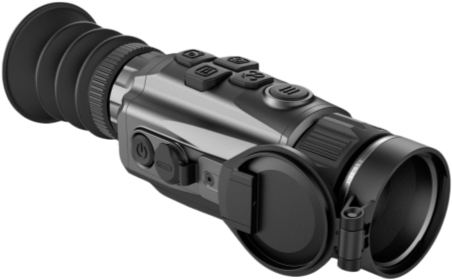
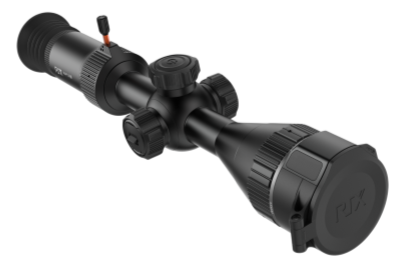
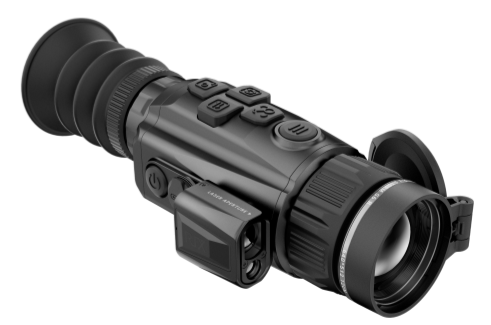
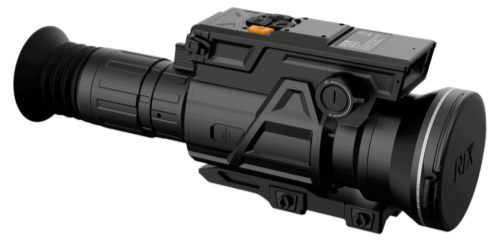
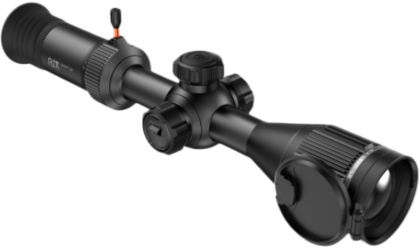
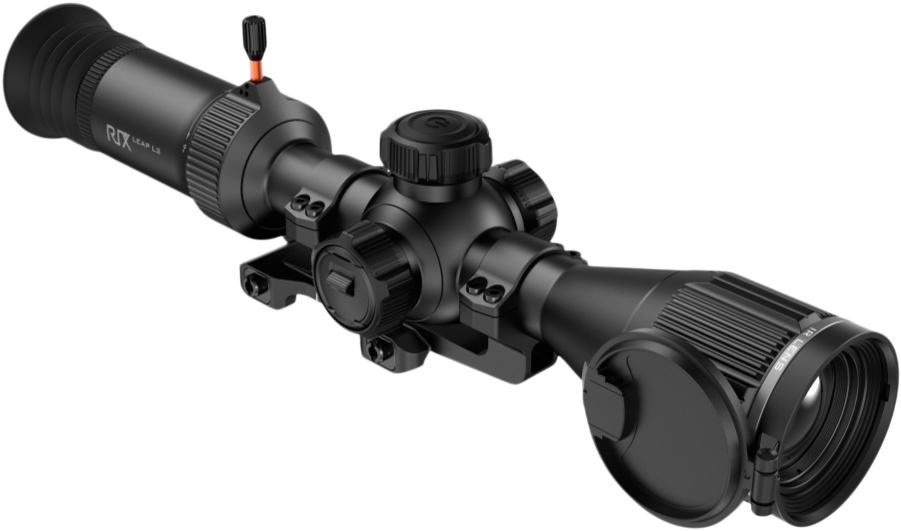
Discover the unparalleled clarity of the LEAP L6 Thermal Imaging RifleScope, where cutting-edge thermal technology meets precision optics. With a high-resolution 640x360 sensor, a 2.8-8.4x optical zoom paired with 1-4x digital zoom, and a robust detection range of 2600 meters, every detail is within reach. Its OLED display presents crisp images, while the 32 GB memory stores all your observations. All encased in a durable, lightweight design with a 7-hour battery life, the LEAP L6 is your trusted companion for any adventure that awaits in the wild or on the range.

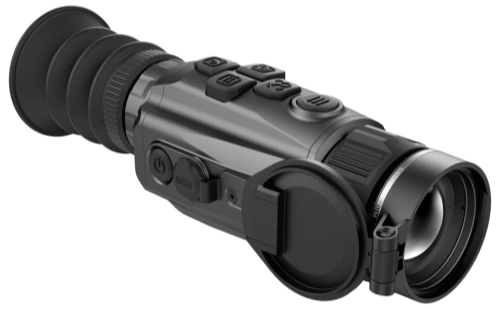
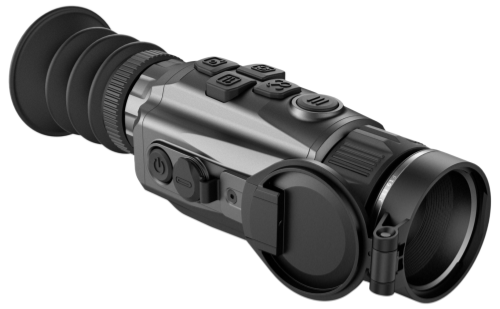
The RIX LEAP Thermal Imaging Riflescopes come equipped with both Digital and Optical Zoom, providing you with the ultimate hunting experience.
The Final Word on Thermal Zoom Technology
On the bottom line of our look into thermal scope magnification, it's pretty clear that the interplay between digital and optical zoom makes for clear, distinct nocturnal visibility. Of these techniques, each has its own benefits: Digital zoom provides a concentration on the spot, whereas optical ones ensure sharp and detailed imaging. The LEAP L6 Thermal Imaging RifleScope combines super-fast digital magnification and uncompromised clarity of optical zoom at the very front line of thermal imaging. Lightweight, robust, and feature-laden for discerning users, LEAP L6 embodies a pinnacle of precision that literally transforms the shroud of night into an open book of thermal secrets lying in wait to be discovered.
Comments