











Hog Wild at Night: Your Guide to Successful Hog Hunting
Hog hunting is an activity that's not just about the thrill of the chase but also helps keep wild hog numbers in check. In this guide, we'll start with the basics of hog hunting, ease into the secrets of tracking these clever creatures after sunset, and touch on the essential gear—like thermal and night vision scopes—that gives you an edge in the dark. Whether you're a seasoned hunter or new to the game, we've got the tips and tricks to help you confidently navigate your nighttime hunting adventures.
What Should You Get To Know About Hog Hunting?
Feral hogs are intelligent, adaptable, and can thrive in a variety of environments, but they also follow certain patterns that savvy hunters can exploit.
The Basics of Hog Behavior
Hogs are typically most active in the cooler hours of early morning and evening, and they become even more so when night falls. Understanding their feeding habits, such as their preference for acorns, roots, and crops, can help you predict their movements. They often follow the same trails to and from food sources, which are referred to as “hog highways” and can be identified by tracks, rooting signs, and mud rubs on trees.
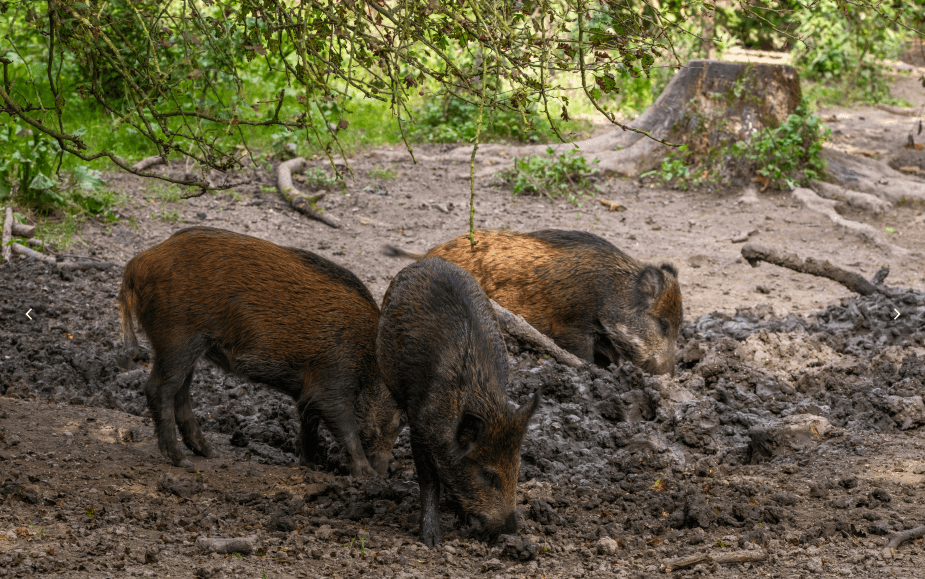
hogs in the mud(Photo by Haberdoedas II on Unsplash)
How to Set Up Your Hunt
Preparation is key, so know the land you’ll be hunting on. Secure permissions if you’re on private property, and always check local regulations regarding baiting and methods of take. Good spots to set up are near water sources, feeding areas, or along those hog highways. Keep in mind that hogs have an excellent sense of smell, so consider wind direction when choosing your spot.
Techniques That Work
- Still Hunting: This involves waiting quietly at a strategic location where hogs are known to frequent.
- Spot-and-Stalk: This is more active, requiring you to spot hogs from a distance and then stalk them carefully for a closer shot.
- Baiting: While not legal everywhere, where it is allowed, baiting can be effective. Corn is often used, sometimes mixed with additives that hogs find irresistible.
Night Hog Hunting Strategies
When the sun dips below the horizon, the strategies you've learned for daylight hunting need to be tweaked for success. Night hunting is a different beast, and it requires adjusting your approach to match the nocturnal habits of hogs.
Stealth and Silence
Hunting at night means you have the cover of darkness, but remember, hogs still have keen senses. Move quietly, set up with minimal disturbance, and keep your silhouette from being backlit by any light sources like the moon or distant artificial lights. Use the natural terrain to conceal your movements.
Adjust Your Calls
Sound travels differently at night and can seem louder. When using calls, whether mouth-blown or electronic, start with softer sounds to avoid startling hogs that may be closer than you think. Gradually increase the volume if there's no response, always ready to stop calling as soon as you spot incoming hogs.
The Wind
This cannot be overemphasized, just as it is important in daytime hunting to be downwind from where you expect the hogs to be. Hogs depend a lot on their sense of smell to detect danger, and so the playing of wind in the dark is important.
Lighting Techniques for Nighttime
Generally speaking, it is best to stay away from standard flashlights or spotlights, as those will surely spook the hogs. A lot of hunters today use low-intensity red or green lights, which are less detectable by hogs. This would suffice to illuminate without destroying your night vision and alerting your prey.
Equip for the Night Hunting
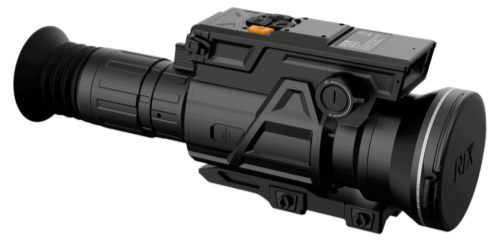
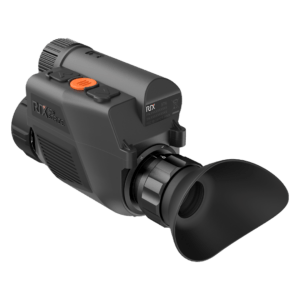
To turn the nocturnal hunting grounds into your playground, you'll need more than just traditional gear; specialized equipment can greatly increase your chances of success. Thermal scopes and night vision devices are game-changers in the dark, each serving a unique purpose.
Seeing the Unseen with Thermal Scopes
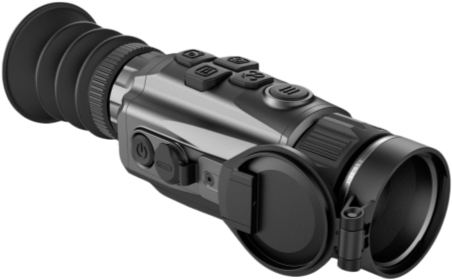
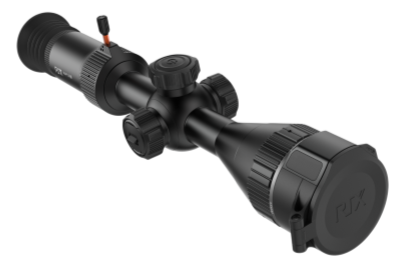
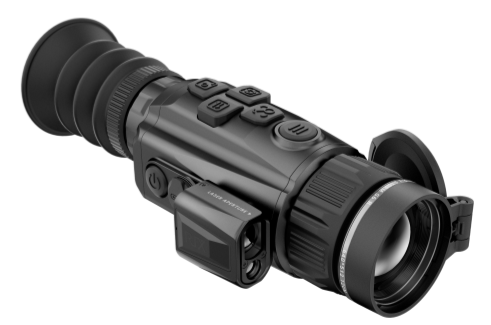
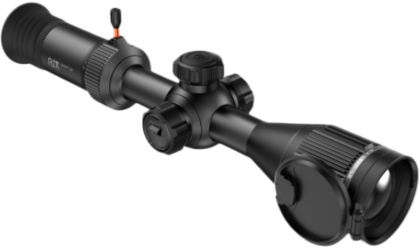
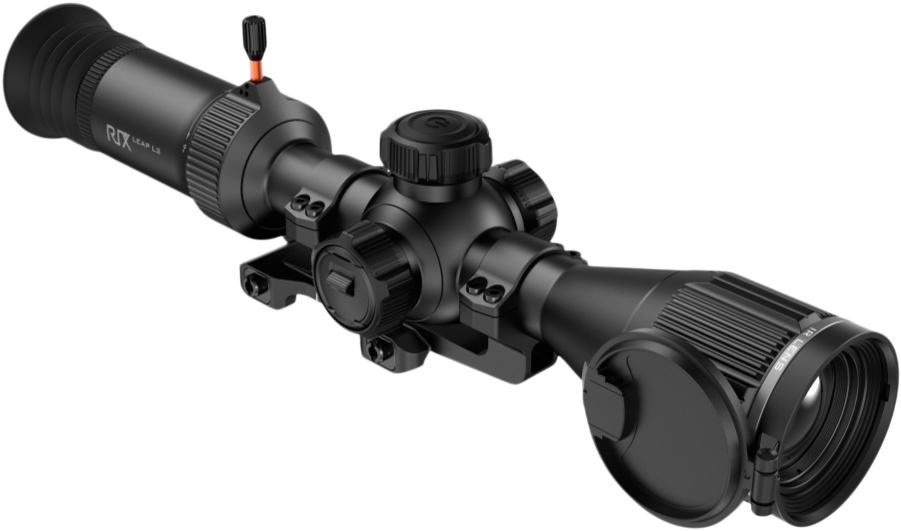
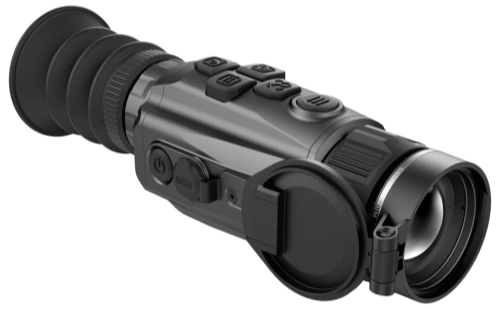
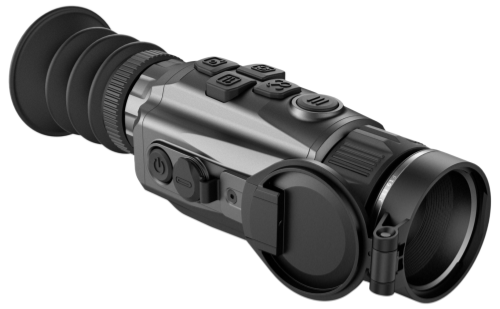
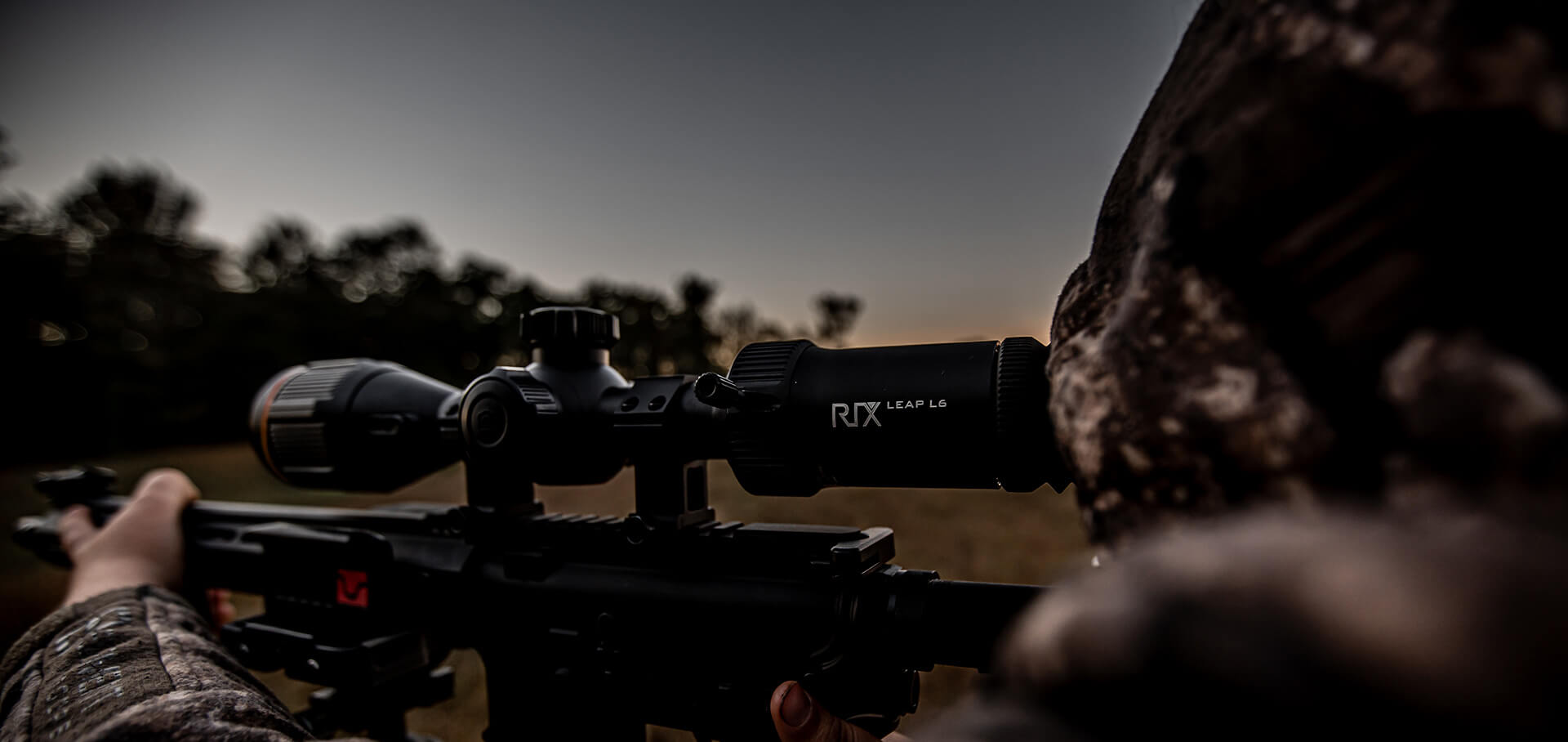
Thermal scopes don't rely on light; instead, they detect heat signatures. Warm-bodied animals like hogs stand out against cooler backgrounds, making these scopes invaluable for identifying targets through dense foliage or in complete darkness. They can be pricier but offer unmatched clarity in total darkness.While most associate thermal with nighttime use, you might be surprised to learn that a thermal scope can be used in daylight too, often with unique advantages.

Night Vision Scopes
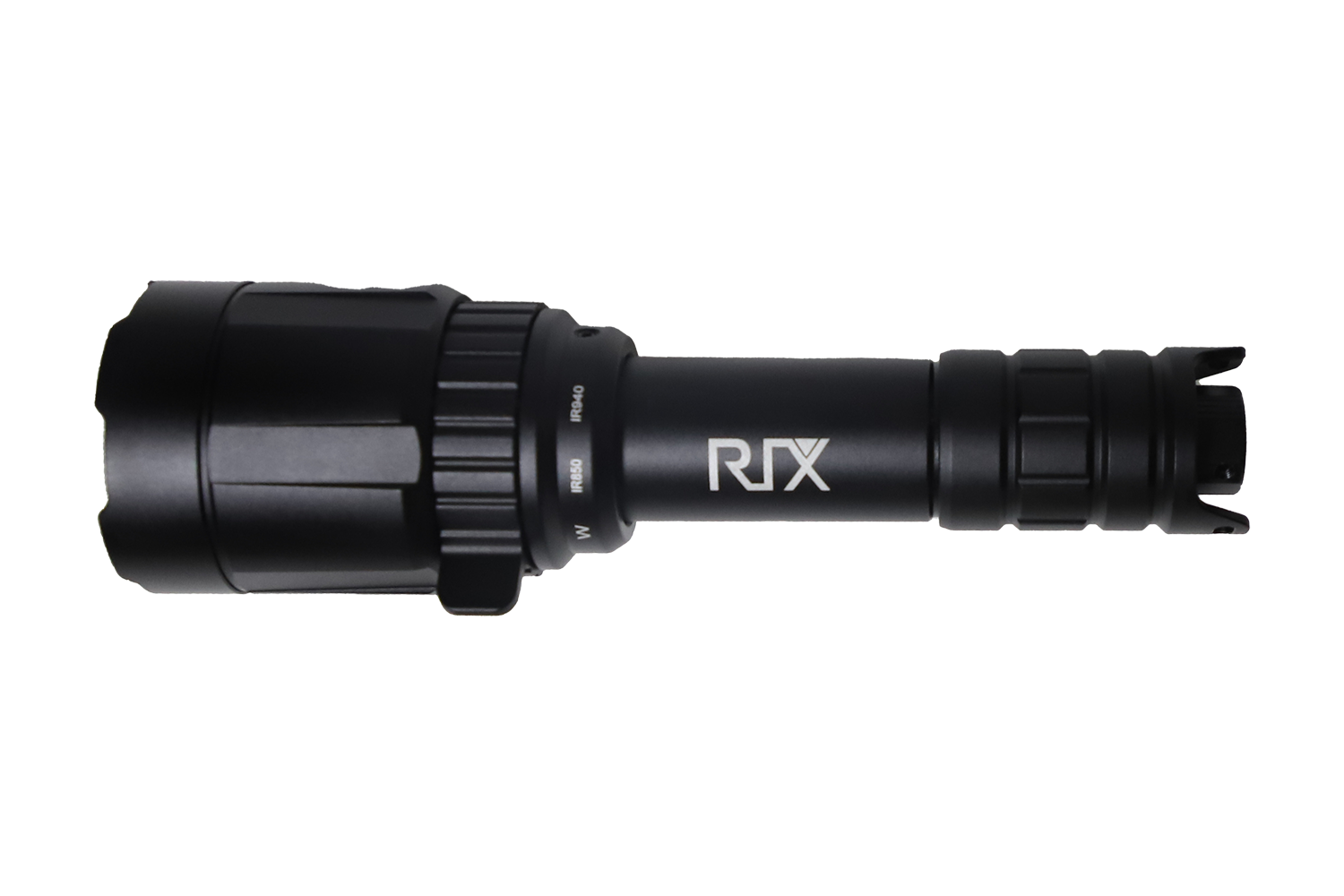
Night vision scopes amplify available light and can provide clear images in low-light conditions. They work wonders on nights when the moon and stars are out, but they may fall short on cloudier evenings without auxiliary infrared illuminators. These scopes tend to be more affordable than thermal ones and are sufficient for most night hunting situations.

Choosing Your Gear
When selecting night hunting equipment:
- Consider the typical environments you'll be hunting in.
- Balance the cost against how often you'll use the technology.
- Ensure compatibility with your firearm and its mounting system.
Keep in mind that both types of scopes have their operational nuances, so you should spend time familiarizing yourself with their use before heading out on a hunt.
The Hunter's Reflection
Remember that night hunting of hogs is not just a form of sport, but rather a combination of skills, patience, and respect toward nature. Knowing everything about the behavior of the hogs, silent footsteps under moonlight, and modern help in the shape of thermal and night vision scopes, you're ready to embrace the wilderness after dusk. Be you a veteran hunter or just starting to get into the game, the night offers something different in promise for adventure. So, here it is the time to gear up and disappear into the dark, becoming at the same time a guardian of the land and restoring its balance one hunt at a time. Happy hunting, and may the nights be wild with the call of success.
Comments