

















Coyote Hunting Tactics and the Equipment That Gives You an Advantage
Coyote hunting is more than a countryside hobby; it's an activity that demands real know-how, a good dose of patience, and the right tactics. If you're gearing up for your first hunt or you've been at this a while, getting to grips with the clever ways of coyotes is key to bagging one. In this read, we'll walk through the different techniques hunters use to outsmart these wily creatures. We'll pay special attention to hunts after sundown—a time when coyotes come alive. Plus, we'll spotlight some cool gear like thermal and night vision scopes that can seriously upgrade your hunting game in the dark. Read more, and you'll learn how to turn your coyote hunting trips from a game of chance into a strategic success.
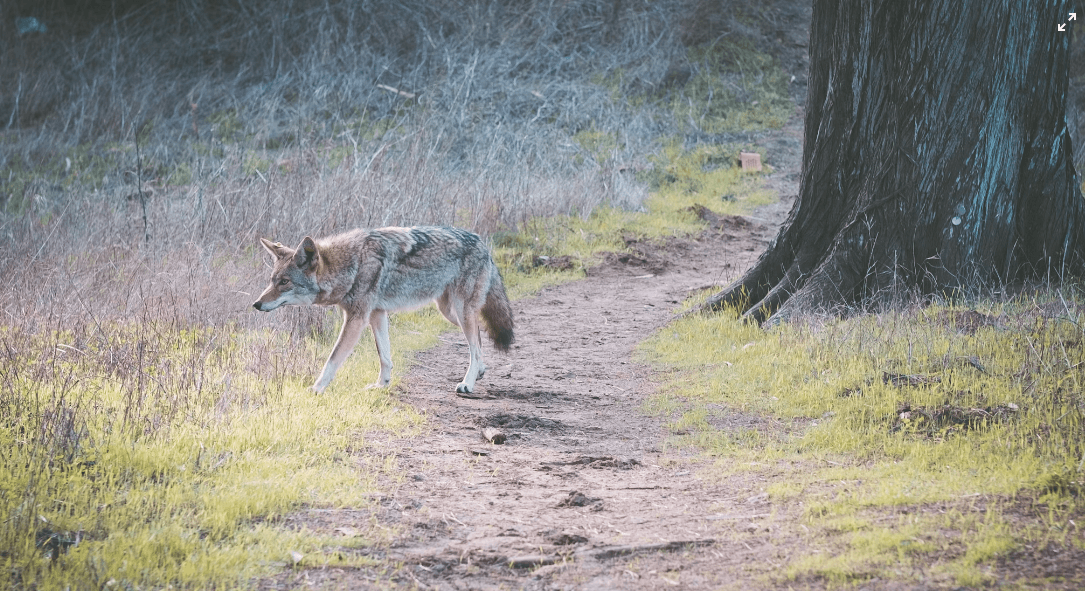
Coyote Photo by Lance Anderson on Unsplash
How to Start with Coyote Hunting
Coyote hunting can be an exciting and rewarding outdoor activity, but it does require some specific know-how.
Be familiar with Coyote Behavior
To hunt coyotes effectively, you need to understand their behavior. They are intelligent, cautious, and have keen senses. Most coyotes are active during the night, but it's not uncommon to see them during the day, especially in the early morning or late evening. They are territorial animals and use distinct calls to communicate with each other, which hunters can mimic to lure them close.
Calling Techniques
One of the most effective techniques in coyote hunting is calling. This involves using sounds to attract coyotes, thinking another animal is in distress or another coyote is intruding on their territory. There are two main types of calls:
- Mouth Calls: These are manual devices that you blow into to create various sounds ranging from prey in distress to coyote communication noises.
- Electronic Calls: These devices can produce a wide range of sounds and sequences, often remote-controlled and can be placed away from your actual location to draw attention away from you.
Using these calls in the right habitat, where coyotes are known to roam, increases your chances of a successful encounter. It's important to stay downwind from where you expect a coyote to appear since their sense of smell is highly developed.
Decoys and Setups
Another method is to use decoys alongside calls. A decoy can be anything from a simple fur piece attached to a stick that moves with the wind to a more elaborate motorized device that mimics animal movements. The idea is to create a visual attractant that complements the sounds, making for a more convincing setup.
When setting up for your hunt, take advantage of natural cover and elevation. Coyotes have sharp eyesight, so camouflage is crucial. Position yourself in a spot with a clear view of the surrounding area, but remain concealed and motionless as much as possible.
Patience is Key
Finally, patience is absolutely vital when hunting coyotes. Sometimes, despite your best efforts, a coyote won't show up for several hours, or at all. Don't get discouraged. Each hunting trip is a learning experience, adding to your understanding of these complex creatures.
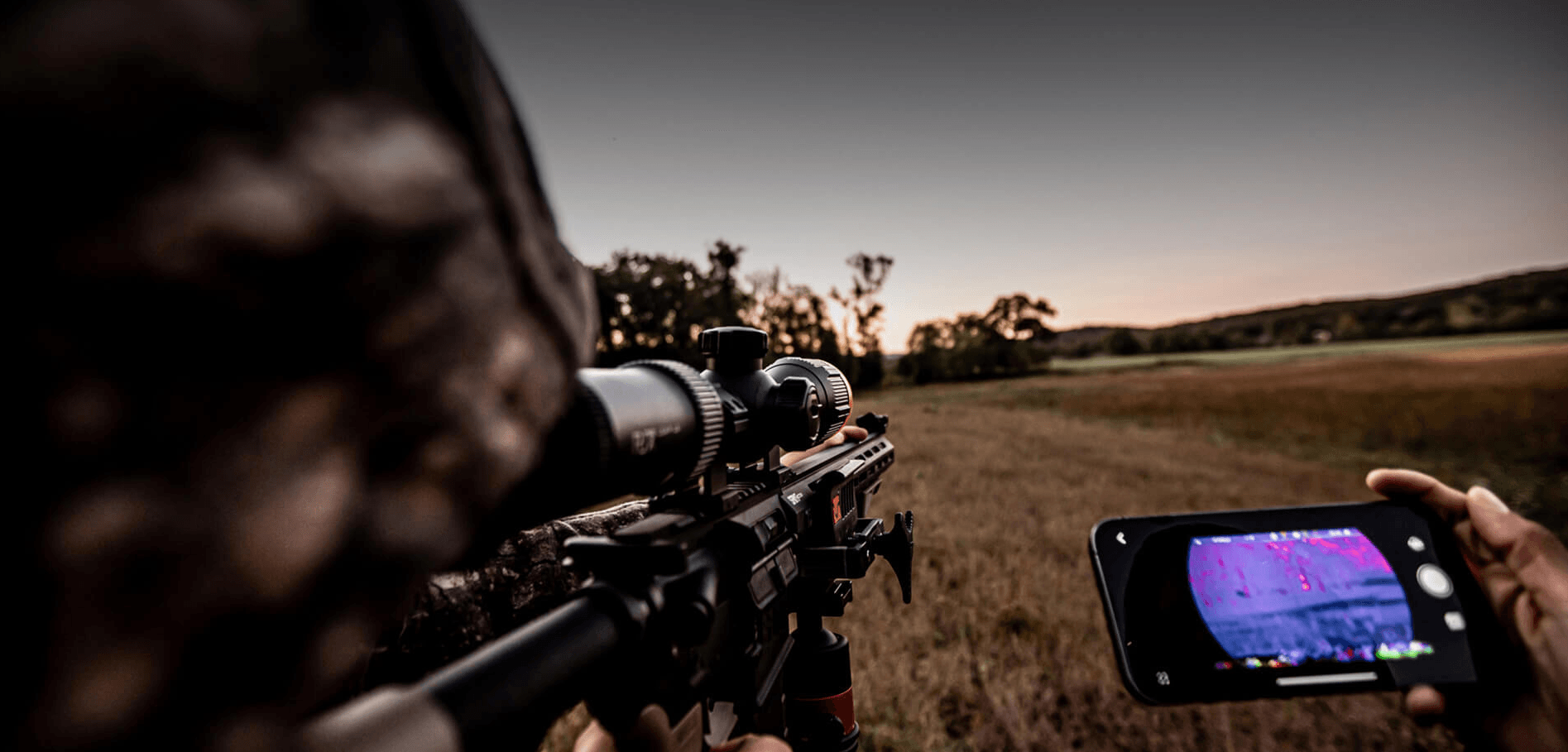
Coyote Hunting After Dark
Hunting coyotes at night introduces a different set of challenges and opportunities. With the right techniques and a bit of practice, you can turn the cover of darkness into your ally.
The Nocturnal Advantage
Coyotes are naturally nocturnal, meaning they're more active and on the move when the sun goes down. This can work in the hunter's favor as coyotes let their guard down a bit and roam more freely in search of food.
Using the Darkness
In the cloak of night, keep your movements to a minimum. Use the available natural light, or lack thereof, to stay hidden. Night hunting requires you to be even more aware of your noise levels and silhouettes against the skyline.
Calling at Night
Calling remains one of the most effective techniques for night hunting. However, it often needs to be more subtle. A series of quiet calls can sometimes be more effective than loud ones, which may seem unnatural in the stillness of the night. Pay attention to the response and be ready; coyotes may approach silently in the dark.
Lighting Techniques
While traditional spotlights can be used, they often alert coyotes to your presence. Many hunters prefer using red or green lights, which are less likely to spook these intelligent animals. Position your light source away from your body to avoid casting shadows or revealing your location.
How to Equip for Successful Coyote Hunting
When darkness falls, specialized equipment becomes essential. This is where thermal scopes and night vision come into play.
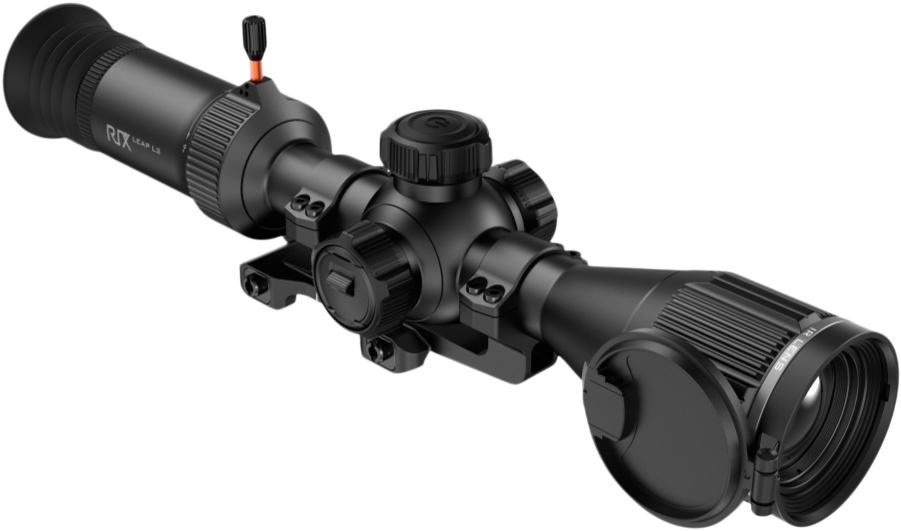
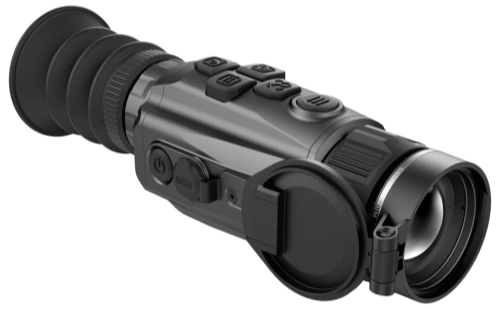
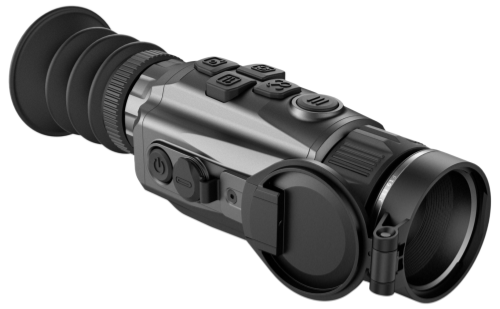
Thermal Scopes
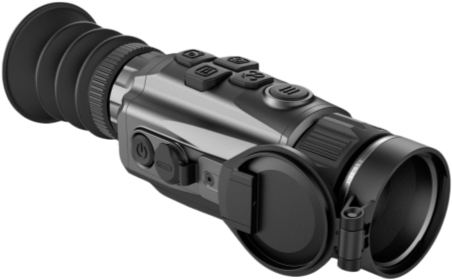
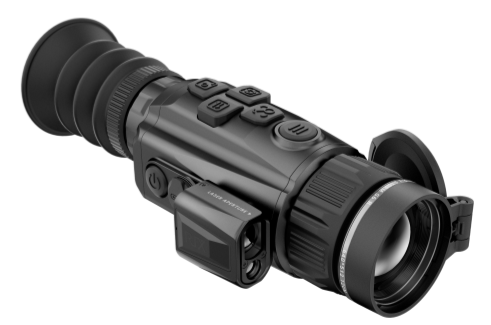
Thermal scopes detect heat signatures, making them incredibly effective for locating coyotes that might otherwise blend into the landscape. They can reveal the location of a coyote by the heat it emits, even through foliage or in complete darkness.To dive deeper into the technology behind this, read more about Understanding Thermal Scopes: How Do They Work.
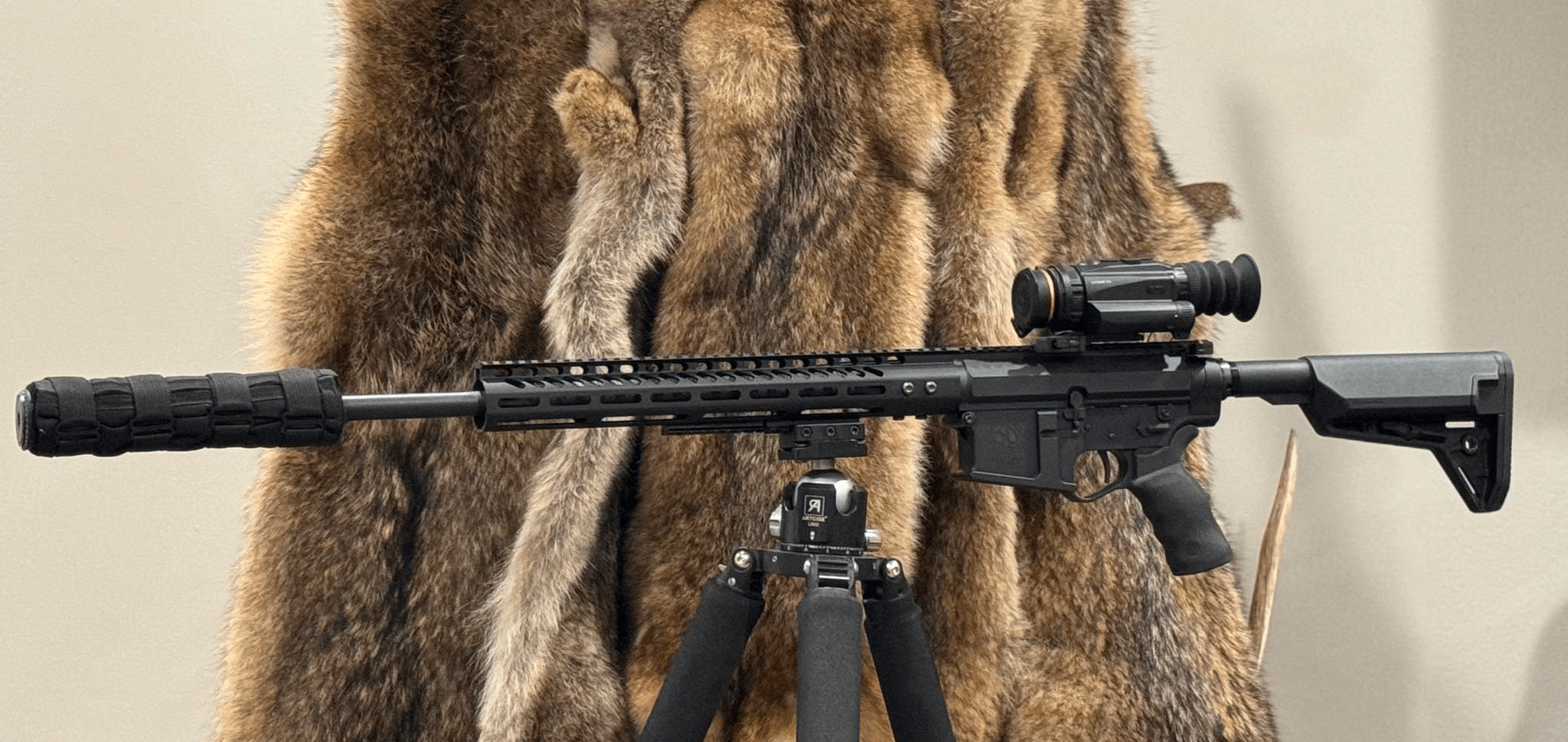
Night Vision Scopes
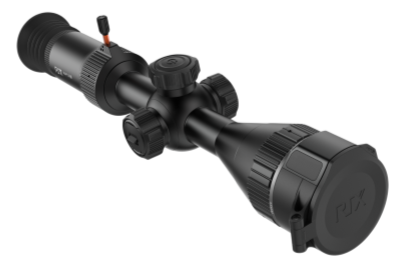
Night vision scopes amplify the available light (including near-infrared) to create a visible image. They're great for clear nights when there's some ambient light but can be less effective on cloudy or overcast nights compared to thermal optics.
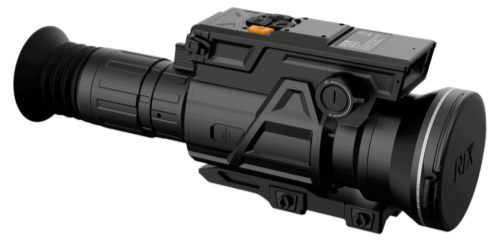
Both types of scopes have their advantages and ideal conditions for use. Some experienced hunters carry both and switch between them based on the situation.
Practice Makes Perfect
Practice beforehand with your night-hunting setup. Understand how all your gear works and what its limitations are at dusk or well into the evening hours. Knowing how to fast and silently work your equipment is the difference between success and a missed opportunity.
The night will become your best hunting ground with patience, practice, and the right equipment.
The Final Word on Coyote Hunting
Knowledge, patience, and the right equipment make any coyote hunter unbeatable when the night sky wraps up in the wilderness. Knowing coyote behavior, being a master caller, and setting up decoys strategically can get the caller one successful hunt. But when the sun sets, it's those added technologies in thermal and night vision scopes that most extend one's capabilities and turn the darkness from a liability to an asset. Keep in mind that every hunting experience makes one more adept in this wild dance of hunter versus hunted. Sharpen up, stay sharp, and pay your respect to the guile of your nocturnal quarry, and you just may be the coyote's most dangerous adversary.
Comments