














A Hunter's Guide to Fall: Pre-Season Tips and Checklist
How Do Animals Adapt Their Patterns in the Fall Season?
Fall marks a major transitional season for wildlife, with game species responding to reduced daylight and dropping temperatures through instinctual behaviors. For example, when deer approach their rutting season, which is an annual reproductive cycle that frequently results in more sightings during legal hunting hours, they become more active at dawn and nightfall. Migrating birds move according to ancient patterns in response to the cold, and hunters can see amazing flights of ducks and geese. However, it's not just the cold air that influences animal migration; when foliage gradually recedes, it offers less cover, forcing animals to look for new places to feeding and sleep. Hunters have to adjust, making use of this information to predict routes and possible spots where the game could be discovered. Additionally, animals are condensing their activity intervals due to shorter days, which can result in more predictable behavioral patterns.Essential Equipment for Fall Hunting
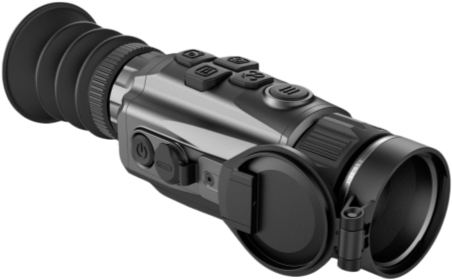
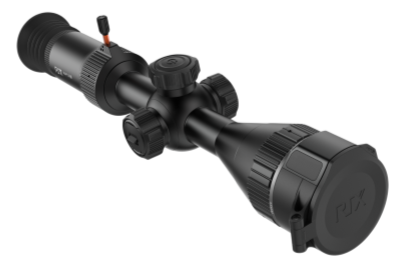
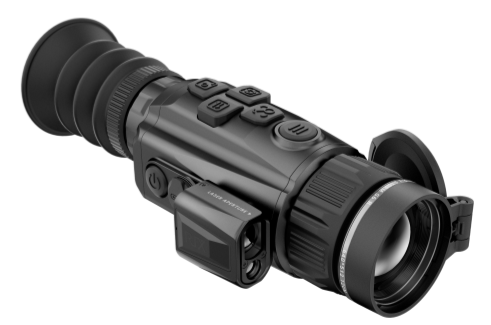
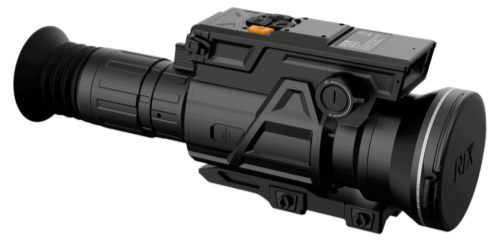
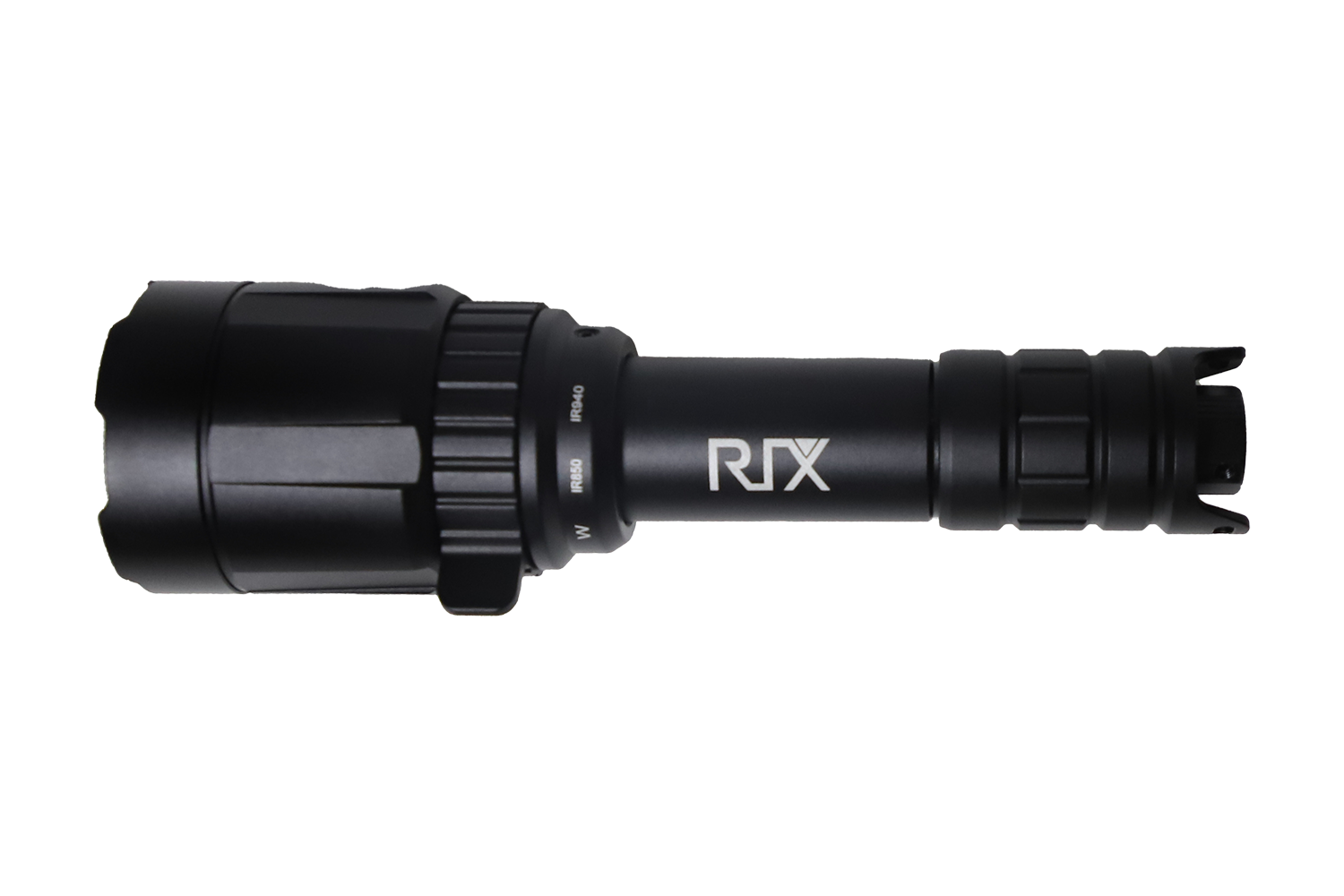
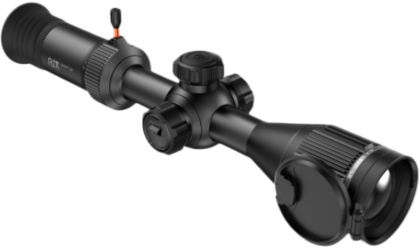
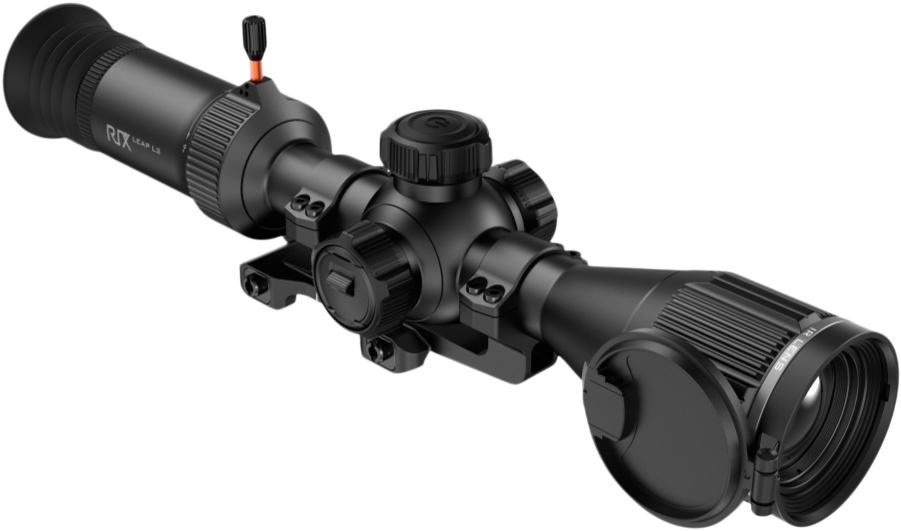
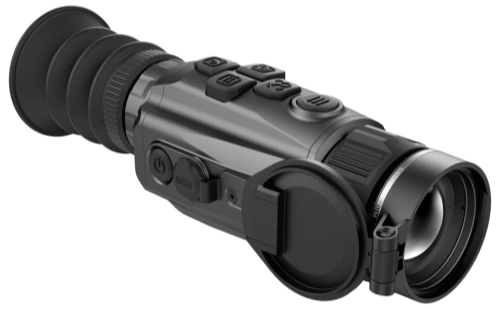
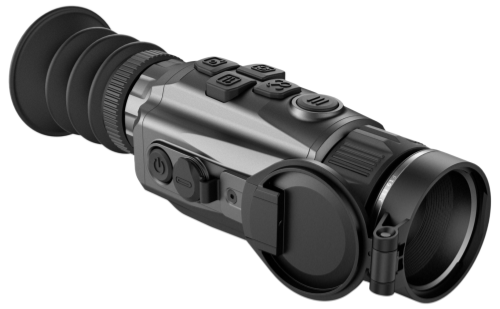
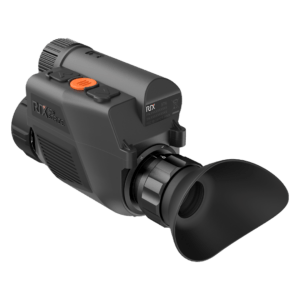
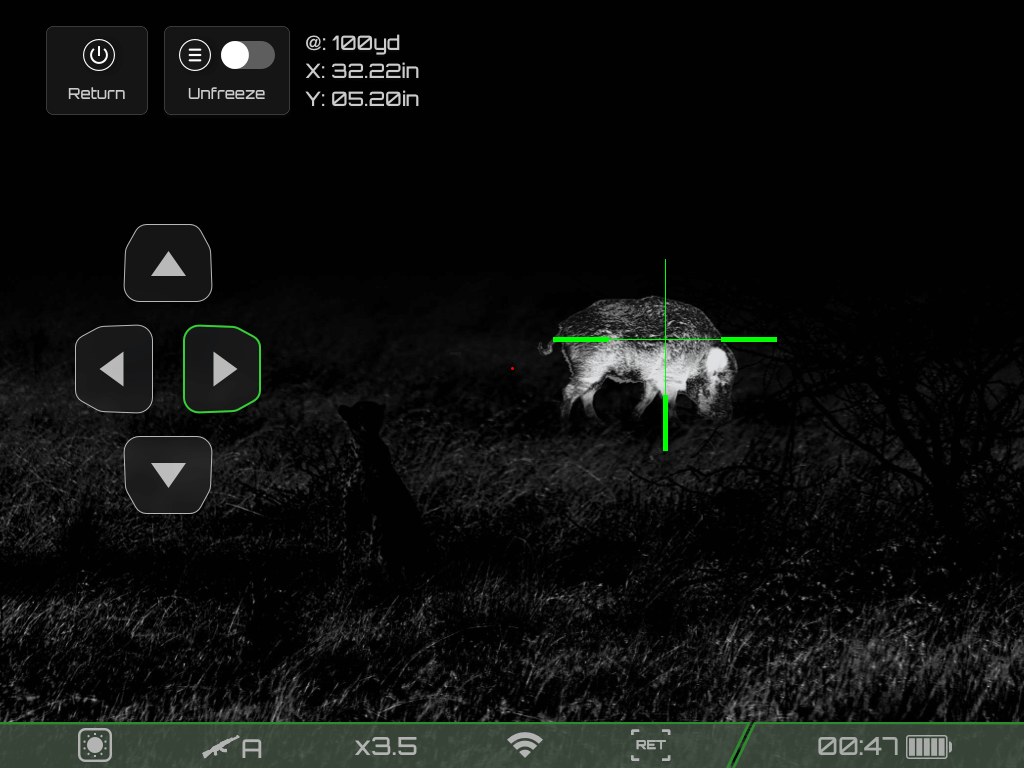
Layers are essential when preparing for the unpredictable weather that comes with autumn. Start with base layers that wick away moisture to keep you dry, add insulating mid-layers to maintain body heat, and finish with an outer layer that is both breathable and waterproof to protect you from the wind and rain. With this flexible method, you can add or remove layers as the temperature changes during the day. You should also take equal care of your hunting firearms. Reliability when you need it most is ensured with a comprehensive preseason inspection. Give scopes and sighting systems extra attention; maintain accuracy by cleaning lenses and adjusting reticles. It's now time to make a decision between thermal and night vision scopes. Thermal scopes are great for hunt in low-visibility situations because they are excellent at detecting heat signatures during the chilly dawn and dusk hours. Contrarily, night vision scopes enhance available light to provide clarity for twilight or nocturnal hunting. While there are clear benefits to both technologies, choosing one over the other will rely on your unique hunting conditions and the habits of your intended prey. Choosing and maintaining the right equipment can make the difference between a successful hunt and a lost opportunity.
Hunting Scouting and Location Selection Strategies
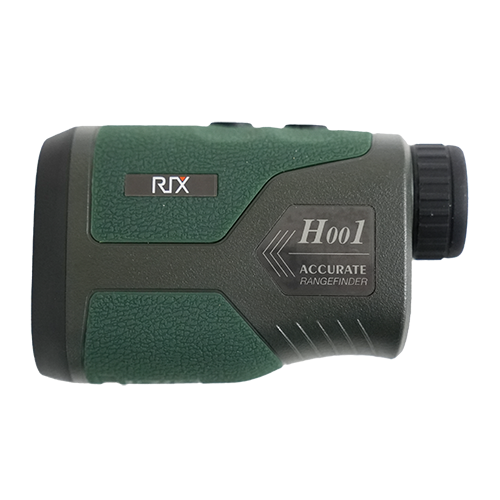
Finding the ideal hunting location is a science as much as an art. The first step is to evaluate the natural cues, such as tracks, droppings, and feeding leftovers, which can indicate the areas that the game is likely to visit. Territorial boundaries and regular routes are indicated by rubs on trees and scrapes in the ground, particularly by deer. Hunters can put together movement patterns and choose ideal settings by keeping an eye out for these indicators in the weeks preceding the hunt. Scouting abilities have increased because of technology; remote trail cameras are now quite useful. Placed thoughtfully across your hunting area, they record the movements of the game and offer insights without causing disturbances from your actual presence. When computerized mapping technologies are used with these visual clues, hunters can pinpoint important features such as food plots, water supplies, and possible animal-attracting cover. Certain apps even log activity times, which aids in predicting peak movements.Hunting Licenses, Regulations, and Ethical Considerations
It is essential to understand the hunting laws before venturing into the woods. Obtaining the required permissions is essential; this procedure frequently entails choosing particular game tags and being aware of the quotas for different species. To guarantee compliance with current rules, season dates, size limits, and bag limits, check with local wildlife agencies. Regulations can vary greatly depending on the region and type of animal. Responsible hunters use ethics as their compass. Following the rules of a fair chase, showing respect for wildlife, and making sure the harvest is completed quickly and humanely are all part of ethical hunting. It also entails supporting conservation initiatives and taking into account the wider effects of hunting on ecosystems. Being aware of and supporting wildlife population control programs that strike a balance between ecological requirements and recreational hunting opportunities is part of sustainable management. Being a knowledgeable and ethical hunter fosters a respect for nature and the traditions of hunting, ensuring its future for generations to come.Physical and Skill Preparation for Hunting
A hunter's physical preparedness is just as important as any piece of equipment. Regular exercise develops the strength and endurance needed for extended walks across difficult terrain. Exercises that strain your heart, such as running or cycling, increase your stamina. Strength training, in particular, works your legs, core, and upper body and gets you ready for the demands of carrying gear and harvesting wildlife. Accurate shooting is the result of preparation and talent. It's imperative that you regularly attend the shooting range to maintain your reflexes and muscle memory. To replicate actual hunting situations, incorporate a variety of shooting stances into your drills. Pay close attention to identifying animal signs and comprehending how thermal and night vision scopes impact your perception of depth and distance when you exercise with them. Knowing how to use these scopes can greatly increase your chances of having a successful hunt, particularly in the twilight hours when many game species are most active.
Comments