








Ultimate AR-15 Night Hunting Build: Top Components Recommended by Coyote Hunters

What Makes the AR-15 Ideal for Night Coyote Hunting?
Many hunters have come to love the AR-15 platform because of its versatility and stronghold in the market. Since it's modular, you may alter practically every component to fit your hunting needs, including the stock and barrel. When tracking targets in the dark, the AR-15's lightweight and handleability make it ideal for rapid maneuvers and precise firing. This rifle becomes an even more powerful tool for the hunter with the appropriate accessories, enabling precise shooting and good sighting in low-light situations. Coyotes become more active at night, therefore a strategy and equipment that can keep up are necessary when hunting them. This is the AR-15's best feature. Because of its accuracy over extended distances, you can stay at a safe and moral distance without sacrificing performance. You may take quick follow-up shots with its semi-automatic action, which is advantageous because night hunting is a dynamic environment. Moreover, the AR-15 is particularly useful for nighttime hunting due to its compatibility with a broad variety of optics and attachments. It can be fitted with thermal imaging Riflescopes or night vision Riflescopes, which can identify warm-blooded animals in complete darkness. Lights and lasers can also be attached to the rifle's rail system, which helps with aiming and spotting as well as navigating through difficult terrain after dusk. The AR-15 is an excellent option for anyone wishing to improve their nighttime hunting skills because of all these qualities.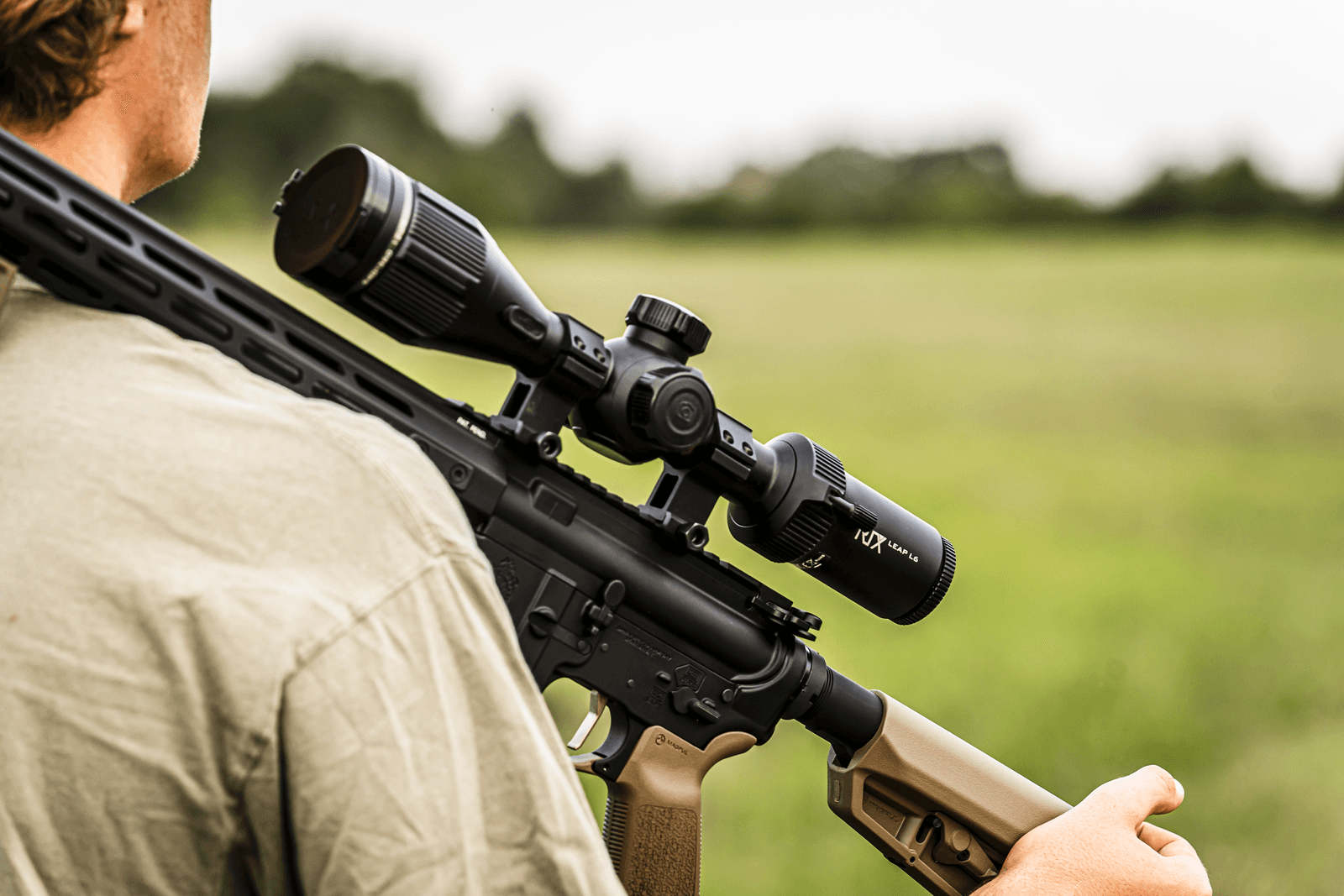
Essential AR-15 Upgrades for Night Hunters
Barrels
Your AR-15's barrel has a significant impact on accuracy and range, two aspects you cannot skimp on when hunting at night. When it comes to the ideal blend of agility and ballistic performance, coyote hunters typically prefer barrels that are between 16" and 20". Another important factor is the twist rate, which is the internal rifling of the barrel. A twist rate of 1:8" provides a great balance for standard coyote hunting rounds like the.223 or 5.56mm, stabilizing a wide range of bullet weights to assure precision shots even at longer ranges. In this configuration, accuracy is maintained in the heavier, colder nighttime air.Triggers
In the quiet of the night, when every shot counts, the trigger's responsiveness can make all the difference between a hit and a miss. A high-quality aftermarket trigger minimizes the chance of jerking the pistol during a shot—a typical problem that can result in inaccurate firing—by providing a smooth, crisp break that can aid in increasing shot consistency and decrease pull weight. Seek for triggers with a mechanism that is dependable and guarantees no malfunctions in the field, along with a pull weight that fits your choice.Stocks
For accurate shooting in low light, your rifle stock should promote stability and offer a comfortable cheek weld. For night hunting, adjustable stocks are especially useful since they let you customize the comb height and length of pull for a precise fit and improved rifle control. Having a stock that feels appropriate might help keep you steady and prepared for that critical time during those long waits looking through a scope. It's also a good idea to look for stocks that have built-in storage for spare batteries or small equipment; on a night hunt, it's always handy to have backups close at hand.Night Vision vs. Thermal Imaging: What's Best for You?
It is important to comprehend the capabilities of both night vision and thermal imaging before choosing one for your night hunts. With the use of night vision, you can see in low light conditions as if it were daylight. It requires ambient light or an infrared illuminator to operate, although it performs admirably in clear situations. Conversely, thermal imaging makes an image based on temperature variations by identifying heat signatures. It sees well in the darkness and is able to see from smoke, fog, or bushes that could be hiding coyotes.Pros of Night Vision:
- Clear, detail-rich images.
- Generally more cost-effective.
Cons of Night Vision:
- Less effective in adverse weather or without ambient light.
Pros of Thermal Imaging:
- Unaffected by darkness or environmental obstructions.
- Quick detection of warm-bodied animals like coyotes.
Cons of Thermal Imaging:
- Higher cost and less detailed images.

Scope Accessories for the Perfect Night Hunt
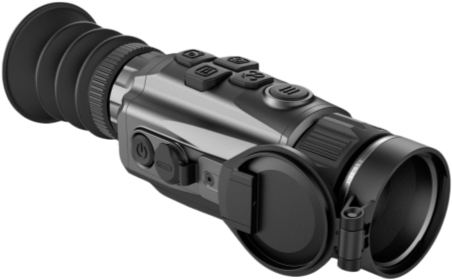
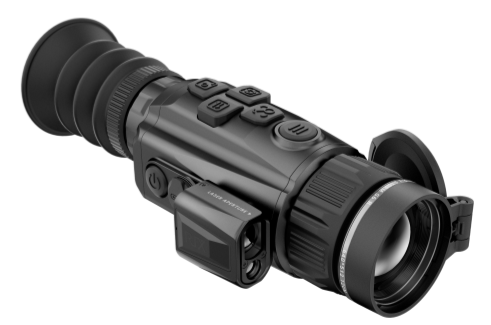
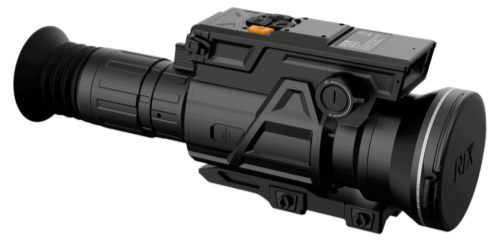
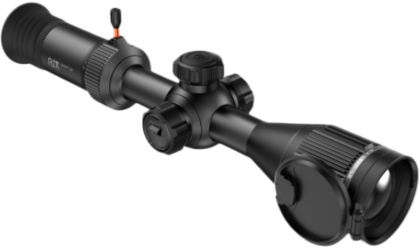
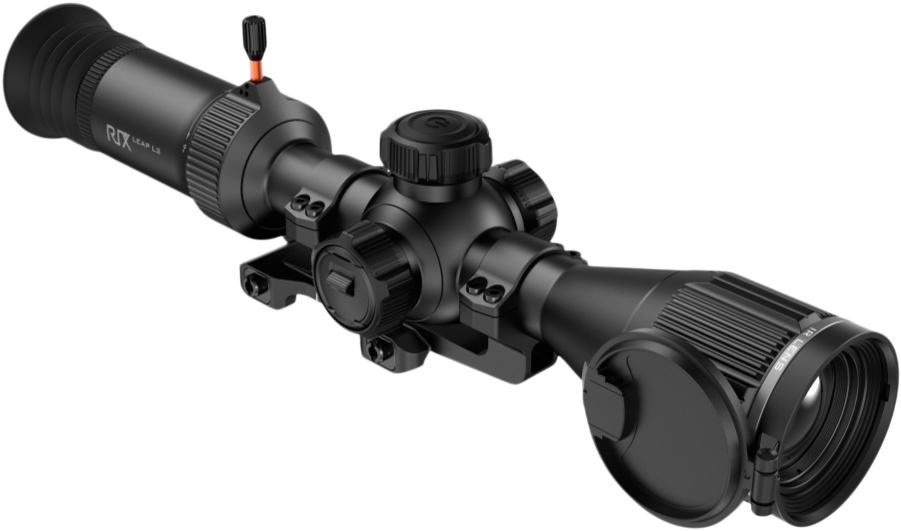
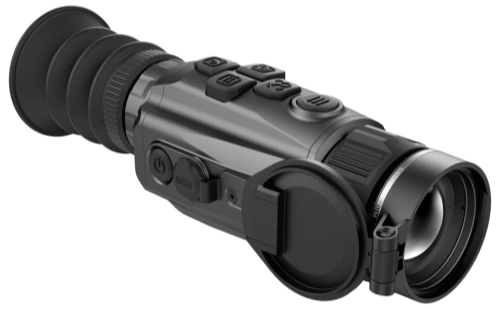
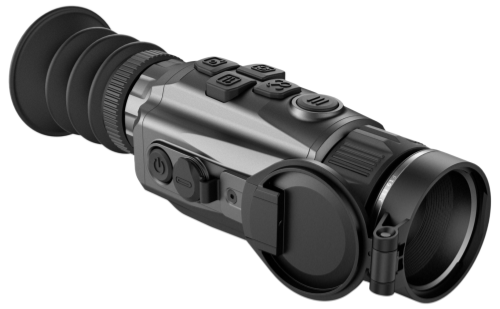
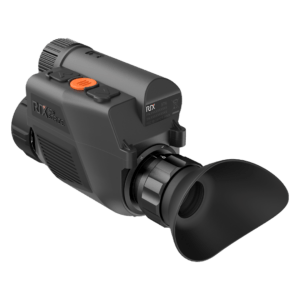
STORM Thermal Imaging RifleScopes:
Get a clear view in the dark with STORM scopes. They come with high-tech sensors and four models for different needs. The picture is super clear, thanks to enhanced tech that doubles pixels. Plus, they have a cool color screen, easy battery swaps, and intuitive buttons for stress-free operation. They're light, tough, and quick to mount.TOURER T20 Night Vision Rifle Scopes:
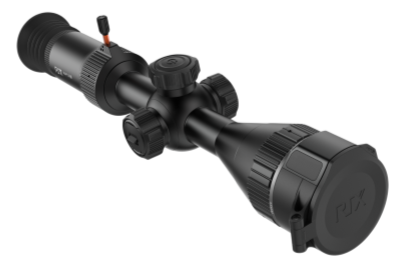
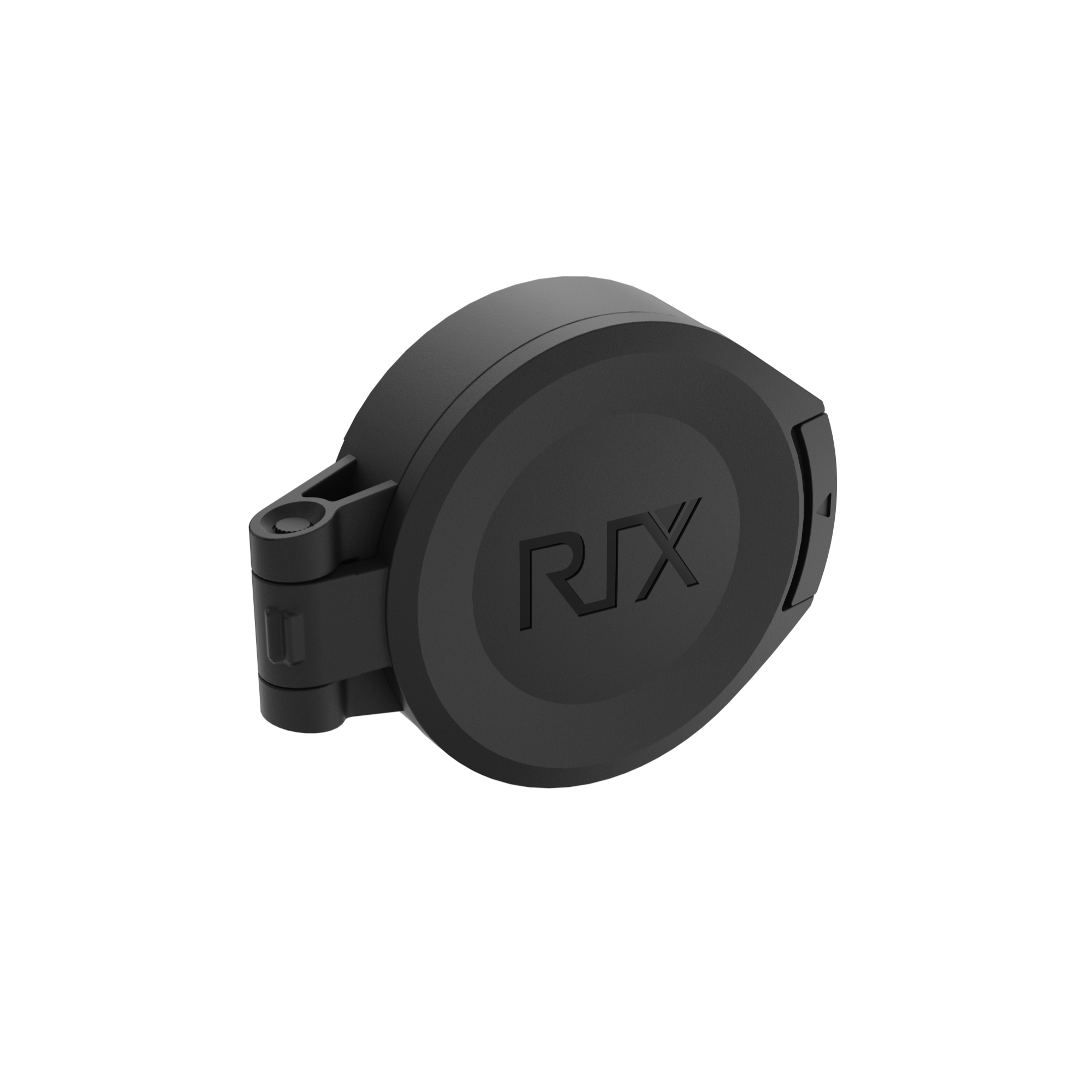
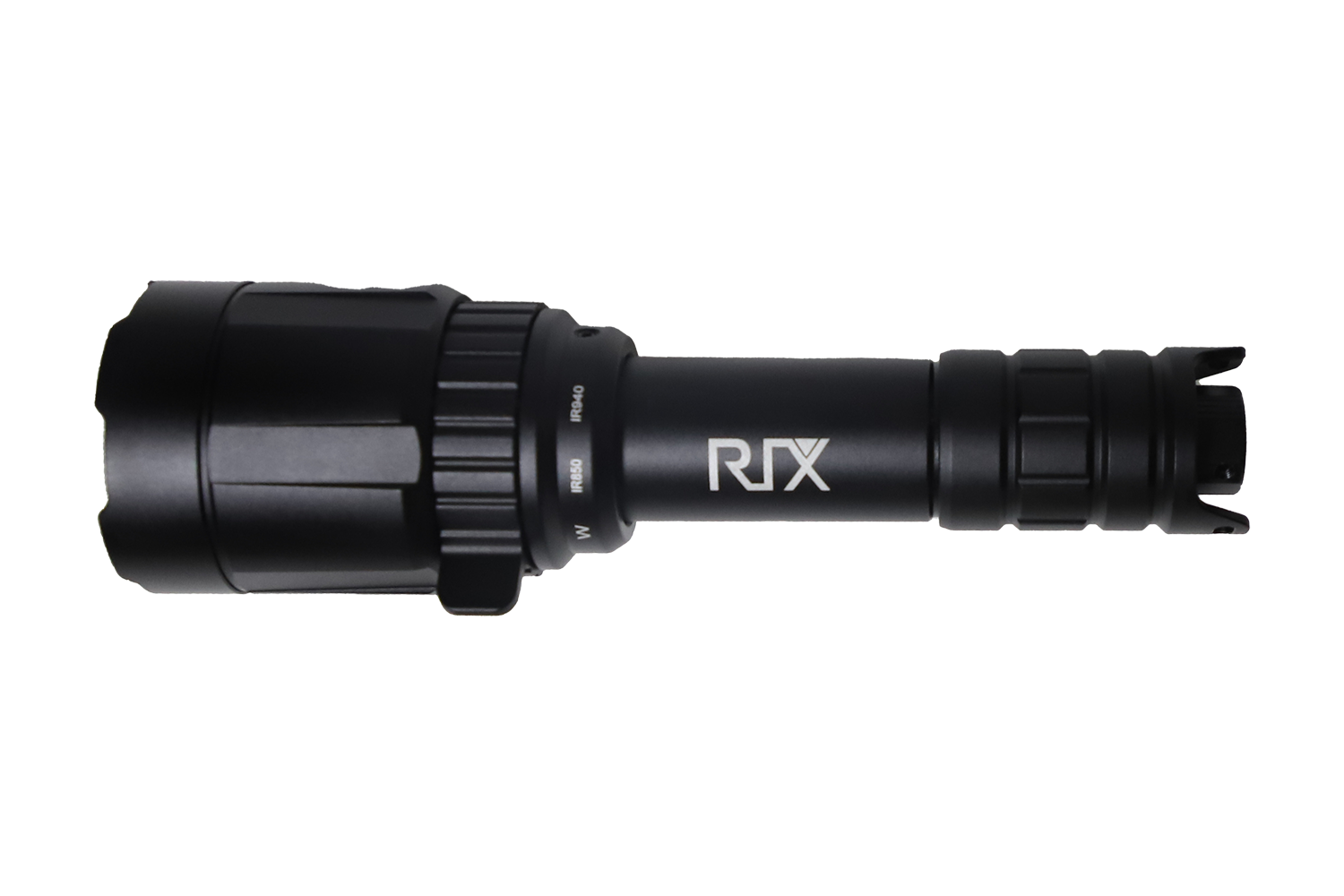
Tough enough for any hunt, the T20 works day and night in any weather, handling big calibers without flinching. It's waterproof, lasts 14 hours, and the night vision is top-notch. And if it's pitch black? No problem. The built-in IR lights up your target far away. Keep your scope safe and steady. Our Precision Mounts lock it tight on your rifle, and Custom-fit Caps keep the lens scratch-free. With Advanced Illuminators, you'll see your target clear as day, even when it’s dark. They're built right into the STORM and T20, so you’re always ready. Choose STORM for thermal precision or the T20 for rugged night vision. Either way, you’ll be set for an unbeatable night hunt.
Practical Tips for Setting Up Your Night Hunting AR-15
- Keeping Your Rifle Balanced: An effective nighttime hunt requires your AR-15 to be both maneuverable and stable enough to shoot targets with accuracy. Attach bulkier accessories, such as scopes, close to the rifle's center of gravity. If at all possible, use lightweight mounts and accessories to preserve mobility without compromising stability.
- Zeroing Your Optics: In low light situations similar to your hunting environment, zero your thermal scope or night vision before you headout. This guarantees that, in low light, the bullet impact will line up with your target.
- Field Examining: Make sure everything is in working order by doing a pre-hunt inspection. Make any configuration changes that are required. Remember, to hone your talents, practice in a safe setting. To ensure that you're ready for the moment of truth, preparation is essential.
Comments