










Essential Predator Hunting Gear: Expert Guide for Day and Night Success
Success in predator hunting requires specialized gear and careful attention to detail. Whether you're pursuing coyotes under the stars or scanning open terrain during daylight, having the right equipment can make the difference between a successful hunt and a frustrating experience. In this comprehensive guide, we'll talk about the essential gear needed for predator hunting, with special attention to both day and night hunting capabilities.
1. Choose Your Predator Weapon
A purpose-built predator rifle delivers the accuracy and quick-handling needed for these challenging targets. For coyotes and similar predators, popular calibers include the flat-shooting .223 Remington or the versatile .22-250 for longer ranges.
Key features to consider:
- Action type: Semi-auto for quick follow-up shots, bolt-action for ultimate accuracy
- Barrel length: 20-22 inches for optimal balance of velocity and maneuverability
- Suppressor-ready: Threaded muzzle for sound reduction
- Weather resistance: Synthetic stocks and protective coatings
- Camo finishes: Helps avoid detection by sharp-eyed predators

2. Get the Right Round for Your Hunt
Predator-specific ammunition combines accuracy with proper terminal performance. Premium bullets in .223 or .22-250 provide the expansion and limited penetration needed for clean kills while preserving pelts.
Best options include:
- 55-grain ballistic tip bullets for coyotes
- 40-grain varmint bullets for smaller predators
- Premium rounds for consistent accuracy
- Fur-friendly projectiles that limit pelt damage
Store ammunition in sealed containers and test your hunting loads extensively before field use.
3. Make Use of Quality Optics
Modern predator hunting demands versatile optics for both day and night pursuit. Quality glass can make the difference between connecting with a coyote or watching it disappear into the darkness.
Daytime Optics
- Riflescopes: 4-16x magnification offers ideal versatility
- First focal plane reticles for holdover accuracy
- Illuminated reticles for low-light conditions
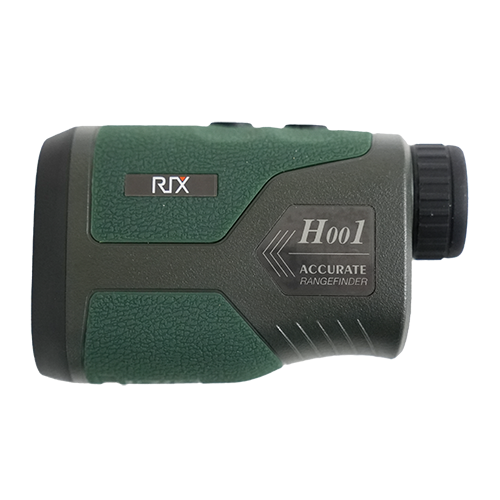
- Quality rangefinder for precise distance measurement
- Monoculars or Binoculars: Essential for spotting and observing prey at a distance. Look for models with high magnification and light-gathering ability.
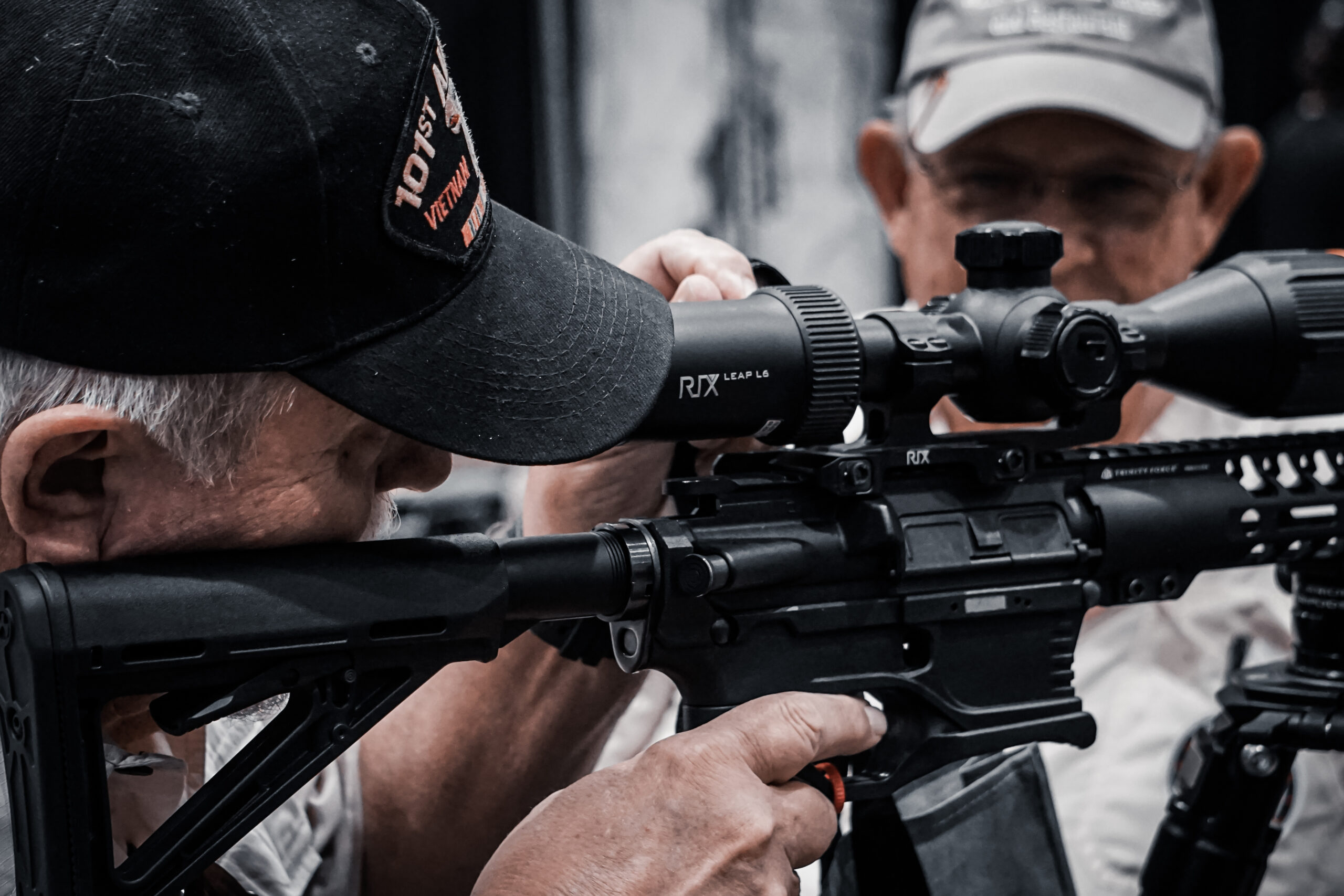
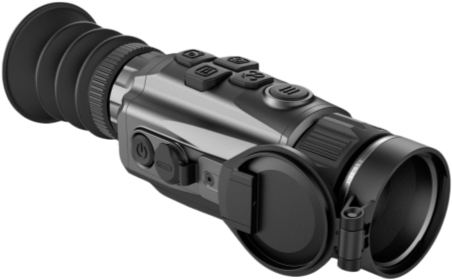
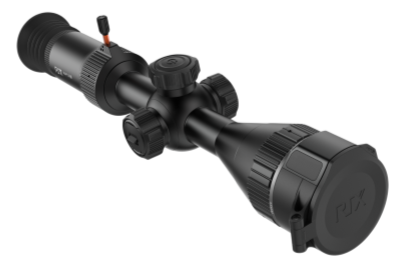
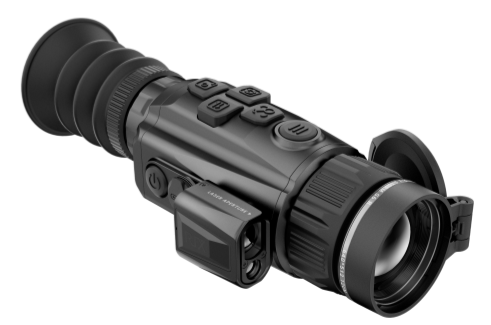
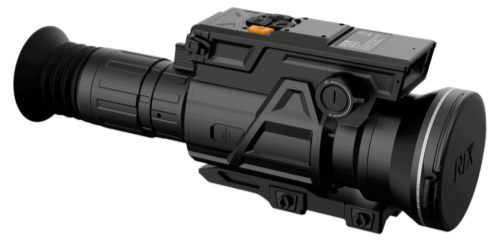
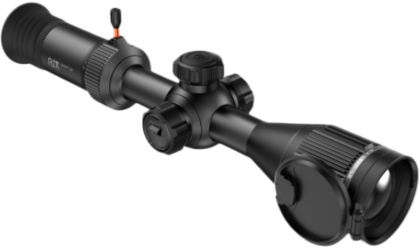
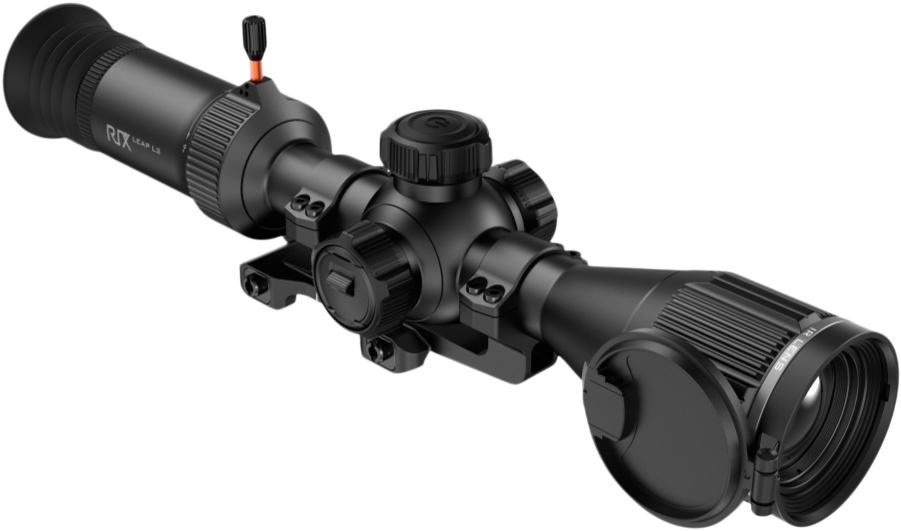
RIX LEAP Thermal Imaging Riflescopes - The World's First Continuous Optical Zoom Thermal Riflescope
Night Hunting Equipment
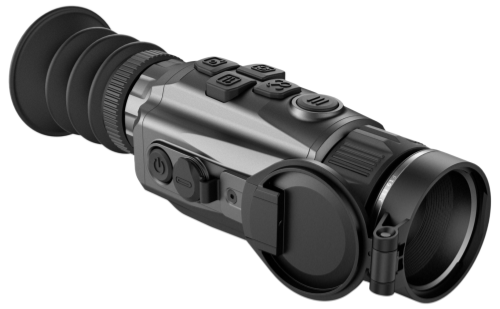
- Thermal scopes: Detect heat signatures up to 1000+ yards
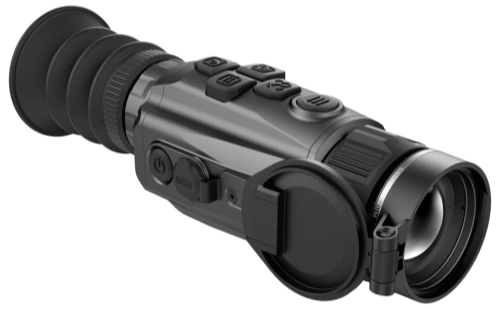
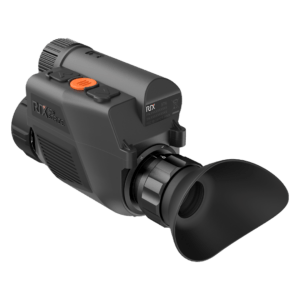
- Thermal Imaging Monoculars or Binoculars: Provide thermal imaging capabilities for spotting and observing prey in complete darkness.
- Night vision devices: Generation 3+ for optimal clarity
- Clip-on systems to convert day scopes
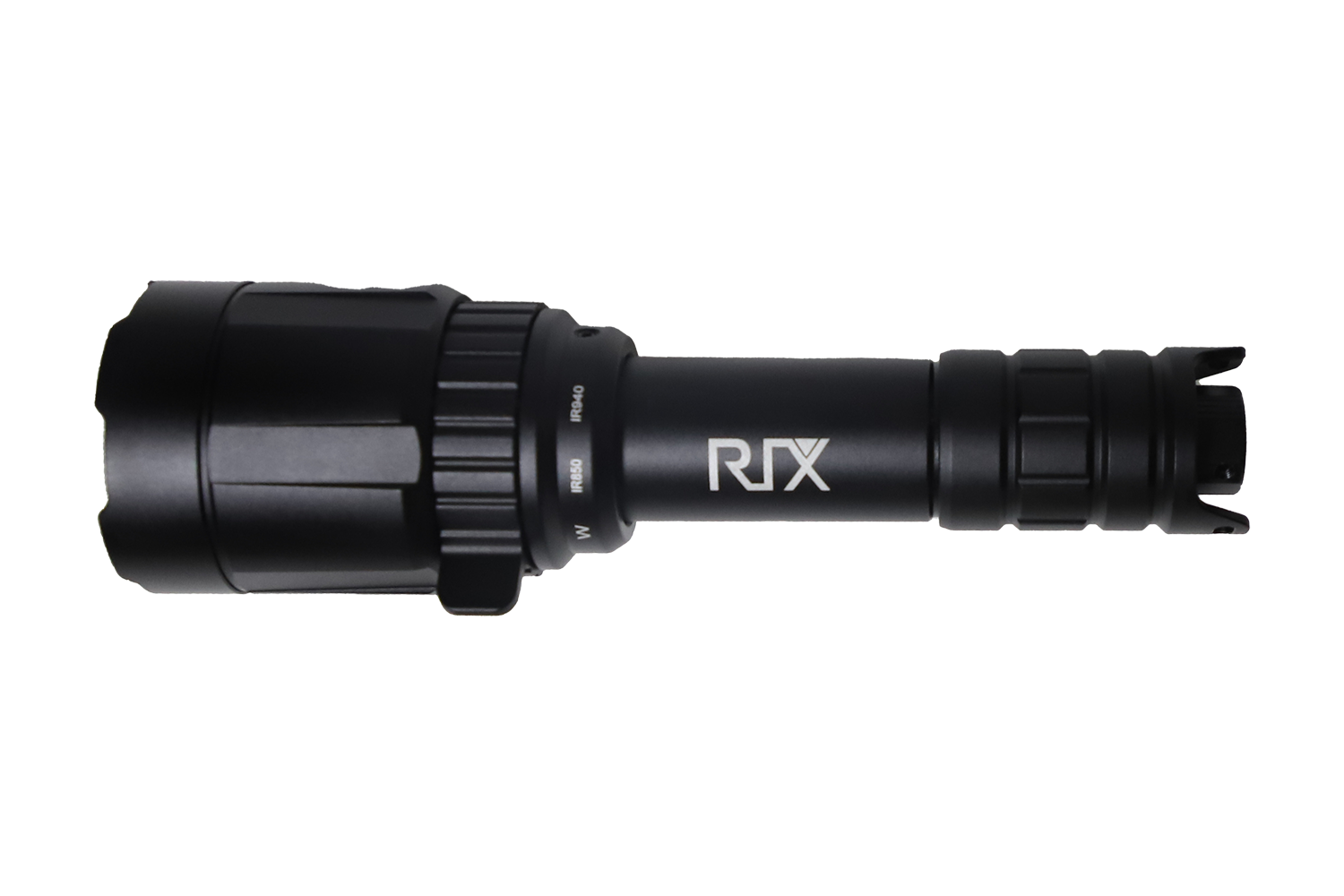
- Backup illumination tools
Invest in quality mounting systems; the best optics are useless if they can't hold zero. Monoculars and binoculars allow you to scan the terrain and locate potential targets before taking the shot with your riflescope.
4. Essential Hunting Clothing
Successful predator hunting requires clothing that balances concealment with comfort, especially during long sits and sudden movements. Your hunting attire starts with moisture-wicking base layers in neutral colors, keeping you dry and comfortable during active pursuits. Over this, add insulating mid-layers using materials like merino wool or synthetic fleece, which provide warmth without bulk and stay quiet during movement.
Choose soft-shell jackets and pants with waterproof membranes that remain silent when brushing against vegetation. Match your camouflage pattern to your hunting terrain, whether it's desert sage, woodland, or prairie grassland. For night hunting, consider darker colors that blend with the shadows, and pay special attention to sound discipline with ultra-quiet materials. Extra insulation becomes critical during stationary night sits when temperatures drop and movement is limited.
5. Essential Tools for a Successful Hunt
At the core of your kit is a purpose-built hunting pack, ideally 1500-2000 cubic inches, featuring quiet zippers and specialized compartments for your essential gear. Electronic callers with remote operation capability form the backbone of your predator attraction strategy, while backup hand calls ensure you're never without a way to draw in your quarry.
A reliable GPS unit loaded with property maps keeps you oriented, while a satellite communication device provides peace of mind in areas without cell service. For night operations, a quality LED headlamp with a red lens preserves your natural night vision. Wind checking tools are critical for staying undetected, and a compact field dressing kit ensures you're prepared when you connect. This well-organized system keeps all essentials within reach when seconds count.
6. Support Gear for Success
Supporting equipment enhances both comfort and effectiveness.
Shooting Support:
- Adjustable bipod for prone shooting
- Lightweight shooting sticks for sitting
- Quick-deploy field rest
Calling Equipment:
- Electronic caller with remote
- Various hand calls
- Decoys and motion devices
- Wind detection tools
Concealment Options:
- Low-profile ground blinds
- Natural cover enhancement
- Portable screening systems
Investing in quality predator hunting gear enhances both success and safety in the field. Focus first on primary systems—weapons, optics, and ammunition—then build your kit based on hunting style and local conditions. Whether hunting day or night, the right equipment helps ensure ethical kills and memorable hunts.
Comments