











The Ultimate Guide to Combining Thermal Monoculars and Scopes for Night Hunting
How Does Thermal Imaging Work?
Thermal imaging turns invisible heat radiating from objects and living entities into observable images. Thermal cameras detect temperature variations, producing visible outlines against cooler backgrounds, unlike conventional night vision, which requires some light. This is especially helpful for nighttime hunters since it exposes concealed animals, such as hogs and coyotes, with great clarity independent of darkness or camouflaging foliage, thereby offering a major benefit during the quiet, stealthful hours of night hunts.
What to Look for in Thermal Hunting Gear?
In choosing thermal scopes and monoculars, hunters should prioritize:- Durability: robust build quality to withstand harsh outdoor conditions.
- Detection Range: the maximum distance at which the device can detect heat signatures.
- Resolution: higher pixel count for crisper images, crucial for identifying and tracking targets.
- Field of View (FOV): a wider FOV allows for a greater viewing area without moving the device, essential for spotting game.
Why Pair Monoculars with Scopes?
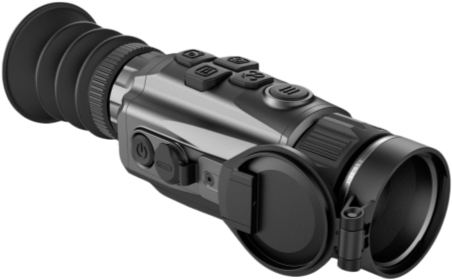
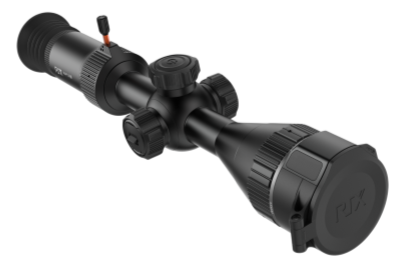
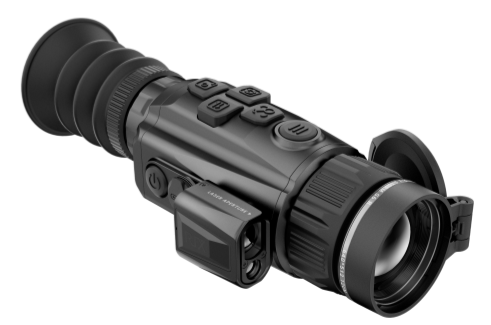
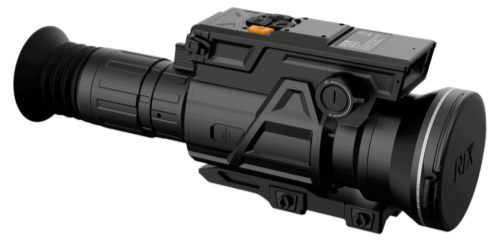
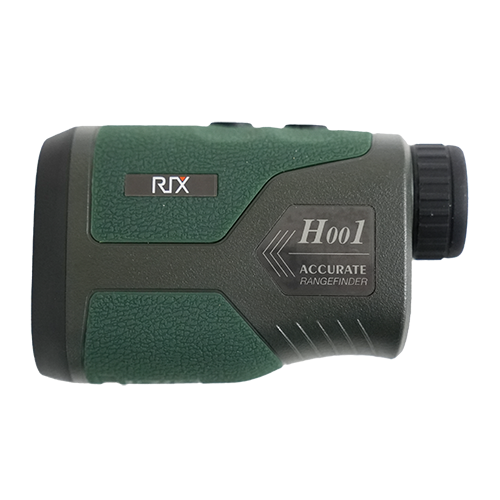
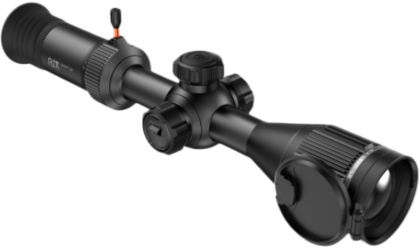
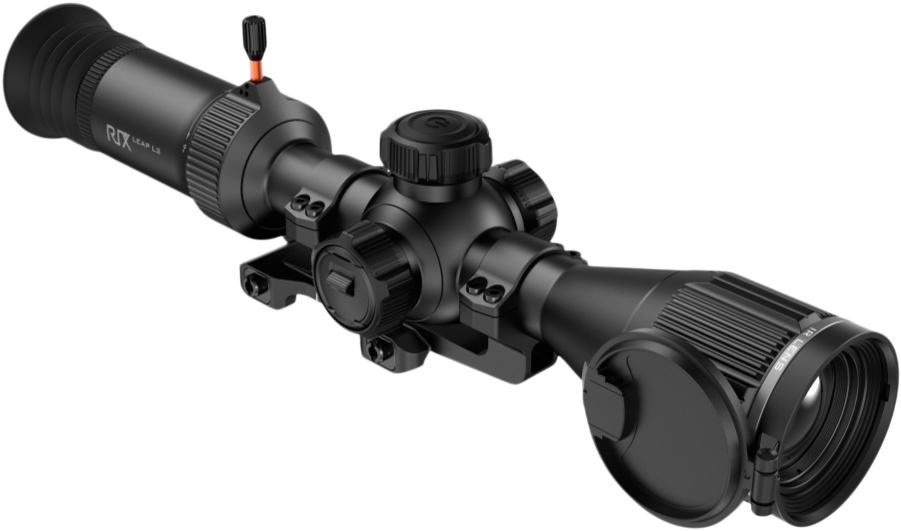
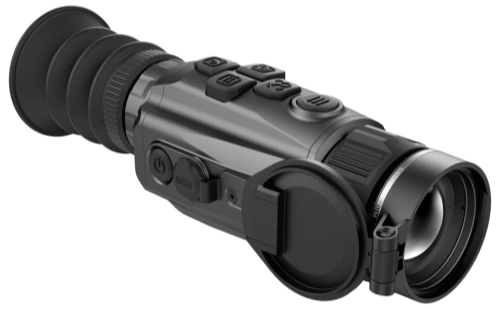
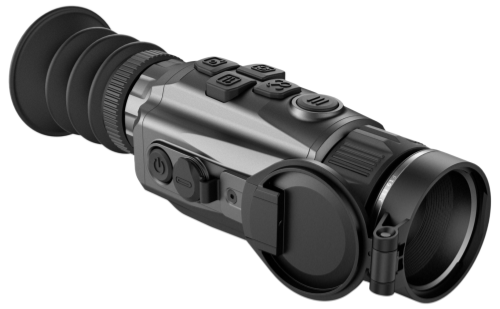
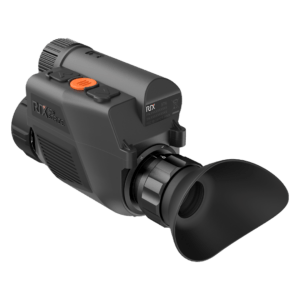
Using a thermal monocular alongside a scope gives night hunters a strategic edge. The monocular, lighter and quicker to maneuver, is perfect for initial scanning and locating heat signatures across vast areas. Once a target is spotted, the hunter can then switch to a thermal scope attached to their firearm for a more precise aim. This two-step method maximizes efficiency: broad surveillance followed by focused shooting. It streamlines the process, conserves the battery life of more sophisticated scopes, and ensures that when it's time to take the shot, accuracy is at its peak.How to Track Hogs with Thermal Imaging
Monitoring hogs over varied terrain requires calculated use of thermal monoculars. Look for consistent heat signatures moving in group patterns common to hog activity to identify them. Seek the small differences between the cool background and the animals' warmth in woodland places; in broad fields, find disruptions in the natural thermal scene. Once a hog is seen, turn to a thermal scope placed on your gun. This guarantees an exact target by focusing on the particular signature. Accurate shot by the scope's crossharms—which is essential for ethical hunting—ensures a quick and humane harvest.
How to Hunt Coyotes Using Thermal Tech
To locate coyotes, hunters use thermal monoculars to scan open fields and brush for the distinct heat signatures that betray their presence. Coyotes, often on the move, create a dynamic thermal pattern that can be tracked even through vegetation. Understanding coyote behavior enhances the effectiveness of thermal technology. These predators are cautious, with irregular movement patterns, making them challenging targets. They may pause frequently, providing brief windows for an accurate shot. A thermal scope becomes invaluable at this stage, allowing hunters to take aim with precision, adapting to the coyote's quick movements, and ensuring a responsible and successful hunt under the veil of darkness.How to Stay Safe While Night Hunting
Darkness adds complexity, so alertness and precise identification become absolutely vital. Tell someone your hunting zone and expected return time before you go. Always utilize your thermal imaging instruments to positively identify your target; never shoot depending on uncertain photos or assumptions; wear reflective clothing so you're visible to other hunters. Every shot involves responsibility; make sure the game you are firing at is exactly the one for which you licensed.
Comments