








How to Use Thermal Scopes in Conjunction with Traditional Optics
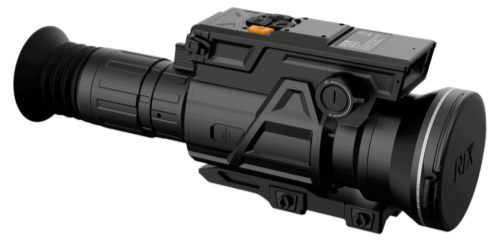
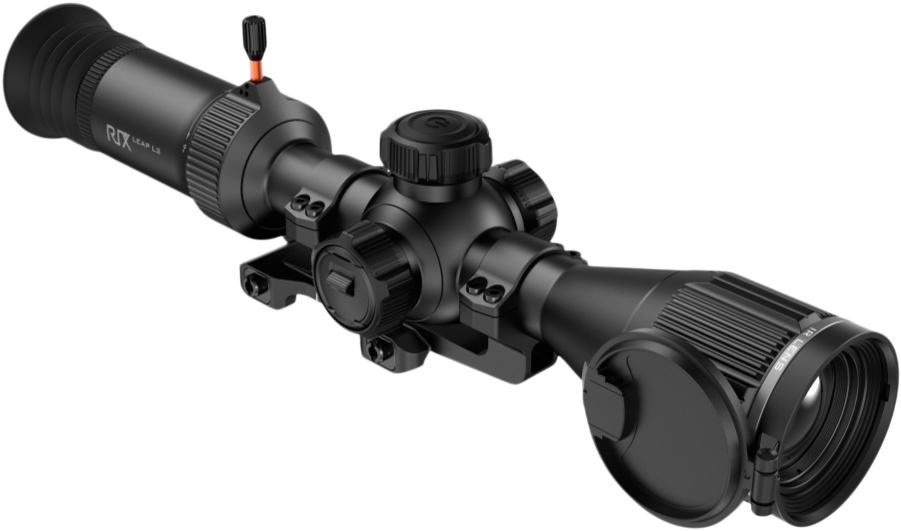
Combining thermal imaging with traditional optical scopes is a rising trend in precision shooting. This powerful duo offers unmatched versatility, enabling shooters to excel in both daylight and low-light scenarios. In this blog, we’ll explore the unique benefits of traditional optics and thermal scopes, guide you through the setup process, and discuss practical applications of this innovative combination.
Unique Capabilities of Traditional Optical Scopes and Thermal Imaging Scopes
Traditional optical scopes and thermal imaging scopes each bring unique strengths to the table, making them highly effective in specific shooting environments and scenarios.
Traditional Optical Scopes
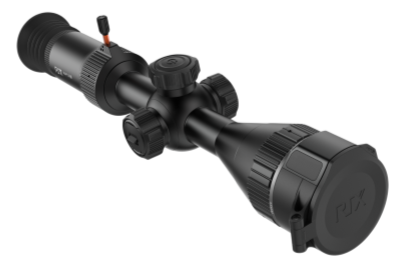
- Daytime Precision: Traditional scopes excel during daylight hours, delivering outstanding clarity and accuracy. Their ability to clearly define targets makes them ideal for precise shots under well-lit conditions.
- Cost-Effective Performance: These scopes often provide a high price-to-performance ratio, making them an accessible choice for many shooters.
- Reliability in Clear Conditions: In environments with good visibility, traditional optical scopes offer unmatched simplicity and effectiveness, enabling shooters to focus on precision.
Thermal Imaging Scopes
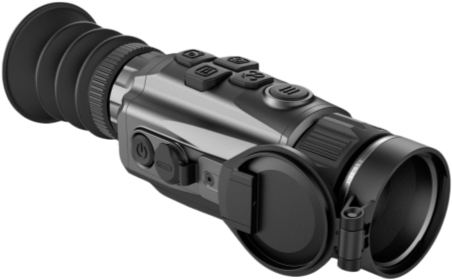
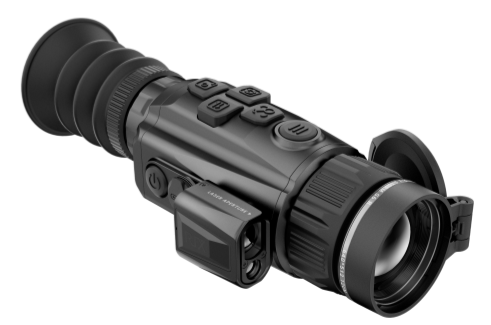
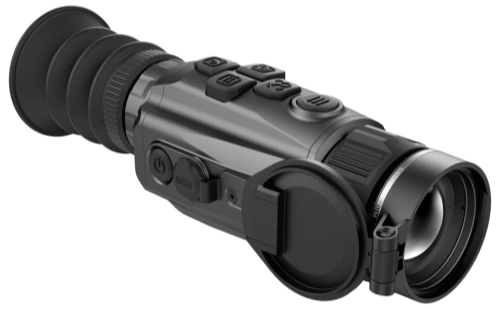
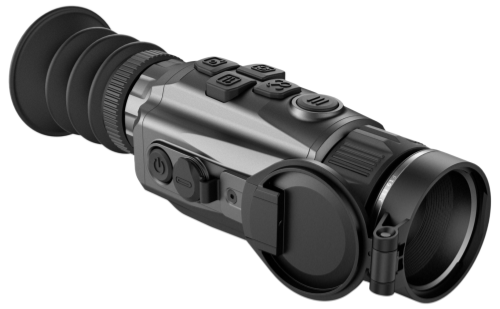
- Exceptional Night Vision: Thermal scopes detect heat signatures, allowing for target identification in total darkness and through obstructions like smoke, fog, or dense vegetation.
- Versatility Across Conditions: Unlike traditional scopes, thermal imaging remains reliable in all lighting and weather conditions, from pitch-black nights to heavy rain or mist.
- Advanced Target Detection: With the ability to reveal concealed or camouflaged targets, thermal scopes are indispensable for scenarios requiring enhanced situational awareness.
By understanding these unique capabilities, shooters can choose the right tool for their environment or combine the strengths of both for ultimate versatility and performance.
How to Configure Your Dual Optical System
There are two primary configuration methods to choose from: the parallel installation method and the switching system.
Parallel Installation Method
When using the parallel installation approach, the key considerations are:
- Opt for high-quality, quick-detach scope mounts from popular manufacturers. These allow you to seamlessly swap between the traditional optical scope and the thermal imaging scope as needed.
- Mount the scopes in a way that maintains a well-balanced weight distribution across the firearm. This can be achieved by positioning the heavier thermal scope closer to the body of the gun and the lighter traditional scope towards the muzzle end. Using a bipod or other stabilizing accessories can also help improve the overall weight balance.
- Secure both scopes firmly to the firearm using high-quality rings and bases. This prevents any unwanted shift or movement that could affect your point of aim. You may also want to consider a forward grip or hand stop to enhance stability during shooting.
Switching System Approach
The switching system offers a more streamlined configuration option:
- Incorporate a reliable quick-release scope mount, which allows you to swap between the optical and thermal scopes with a single, smooth motion.
- Select a switching system that has built-in zero retention. This ensures your point of aim remains consistent when transitioning between the two optics, minimizing the need for re-zeroing.
- Use the installation tools recommended by the switching system manufacturer to properly mount and align the mechanism. This includes the use of torque wrenches and alignment rods to ensure a secure and consistent setup.
Maximize the Dual Optical System in Hunting and Tactical Applications
Effectively using a combination of traditional optical scopes and thermal imaging systems requires adapting your approach to different lighting conditions and operational scenarios. Here’s how to make the most of this dual setup in hunting and tactical applications.
Daytime Hunting
In well-lit conditions, the traditional optical scope becomes your primary tool for precision shooting. Here’s how to maximize its effectiveness:
1. Equip Your Rifle Thoughtfully
- Choose a high-quality, variable-power scope that offers excellent clarity, a versatile magnification range, and precise reticle options.
- This setup allows for accurate target acquisition and shot placement under clear visibility.
2. Enhance with Thermal Imaging
- Mount a thermal imaging scope in a parallel configuration using a quick-detach system.
- Use the thermal scope selectively to scan for heat signatures, especially when the game is concealed by dense brush, trees, or camouflage.
3. Develop a Seamless Workflow
- Begin with the thermal scope to scan and locate potential targets. Thermal imaging is highly effective for identifying hidden or camouflaged animals in the environment.
- Once a target is identified, smoothly transition back to the traditional scope for precision aiming and shot placement.
4. Practice for Efficiency
- Spend time in the field developing a routine that integrates both systems. Regular practice ensures you can switch effortlessly between the thermal and optical scopes without hesitation.
Tactical Applications
The dual-system approach is equally effective in tactical scenarios, where quick adaptability and target identification are critical.
- Use the thermal scope for wide-area scans, spotting heat signatures that may be obscured by smoke, fog, or cover.
- Once a target is located, transition to the traditional optical scope for detailed aiming, ensuring accuracy in high-stakes situations.
Key Takeaways
By leveraging the thermal scope’s ability to locate hidden targets and the traditional scope’s precision for shot placement, you can significantly enhance your effectiveness in both hunting and tactical scenarios. With practice and the right equipment, this dual-optic system can become a cornerstone of your success in the field.
Night Operations
When the lighting conditions shift to low-light or nighttime scenarios, the thermal imaging scope becomes the primary optical system in your setup. Equip your rifle with a high-performance thermal scope. These scopes excel at detecting and tracking heat signatures, enabling you to effectively acquire and engage targets, even in complete darkness or through obscuring elements.
While the thermal scope takes the lead, maintain the traditional optical scope as a backup system. Mount it using a quick-detach mechanism. This allows you to quickly switch to the traditional scope if the lighting conditions change or if you require a clearer, more detailed visual representation of the target.
Train extensively on transitioning between the thermal and traditional scopes. Develop a smooth, seamless switching technique to ensure you can rapidly adapt to evolving tactical situations. Additionally, practice distance estimation and hold-over/hold-under adjustments to improve your first-round hit probability, regardless of the optic in use.

Master the Cooperative Use of Dual Optical Systems
Making use of the combined capability of thermal imaging and conventional optical scopes calls for the acquisition of particular skills.
Shooters should practice fast switching between the two optical systems to guarantee a flawless changeover under high pressure.
Diligent calibration of the aiming locations for both scopes is essential to keep precision when switching between them, therefore compensating any differences in point of contact.
Effective target engagement depends on one being able to precisely estimate distances and coordinate the use of the two scopes, particularly when transitioning between daytime and nighttime settings.
Address Common Challenges in Dual Optical System Usage
Combining thermal imaging scopes with conventional optical scopes into one configuration might provide some special difficulties that call for careful solutions.
- Reaction to Rising Weight: The thermal imaging scope's addition might affect the setup's total weight, therefore influencing handling and stability. Correct weight distribution and the application of lightweight mounting methods can help to reduce this problem.
- Strategies for Battery Management: Since thermal imaging scopes are power-intensive, constant operation depends on a dependable battery management system. Implementing power-saving techniques and carrying extra batteries will help to preserve system functionality.
- Waterproof Considerations: Both optical systems have to be resistant to external elements, including humidity or rain. Choosing waterproof tools and following correct maintenance guidelines can help to preserve the dual optical configuration's integrity.
- Maintenance Points: Regular cleaning, calibration, and inspection of the combined system are essential to maintain optimal performance and prevent potential malfunctions.
How to Unlock the Full Potential of Dual Optical Systems
As shooters become proficient in the basic use of traditional optical scopes and thermal imaging scopes, they can explore advanced techniques to further enhance their capabilities.
1. Developing specialized skills, such as rapid target acquisition, precision shooting under stress, and coordinated team engagement, can maximize the effectiveness of the dual optical system in tactical scenarios.
2. Learning to adapt the use of optical systems to various environmental conditions, such as extreme temperatures, fog, or camouflaged targets, can improve overall performance and resilience.
3. Experimenting with advanced aiming techniques, ballistic compensation, and distance estimation can help shooters consistently achieve a higher hit rate, regardless of the lighting conditions or target distance.

Invest Wisely in a Dual-Optical System
Integrating traditional optical scopes with thermal imaging scopes is a significant step toward enhancing your shooting capabilities, but it’s crucial to approach this investment strategically. A careful balance between performance, cost, and future needs ensures your purchase delivers long-term value.
Start by conducting a thorough cost-benefit analysis. The dual optical system offers notable advantages, including improved shooting performance, greater versatility across different conditions, and enhanced safety. Thermal imaging scopes can reveal targets hidden by darkness or environmental obstructions, while traditional scopes provide precision during daylight hours. Weigh these benefits against the financial investment to determine if the anticipated improvements align with your shooting goals and justify the cost.
Selecting the right equipment is equally important. Research and compare traditional optical scopes and thermal imaging scopes to find the best balance of features, quality, and price. For traditional scopes, focus on clarity, reticle options, and magnification flexibility to ensure accurate daytime targeting. Thermal scopes should offer high resolution, fast refresh rates, and user-friendly controls for reliable performance in low-light or adverse conditions. Compatibility with your current setup is also essential, particularly if you plan to use clip-on or quick-detach thermal devices.
Planning for future upgrades can help keep your dual optical system relevant as technology advances or your shooting needs evolve. Start with foundational components and consider gradually upgrading specific parts over time. Opt for systems with modular designs that allow you to replace individual components without needing to overhaul the entire setup. Investing in durable, well-supported products from reputable manufacturers ensures you stay ahead as new innovations emerge.
By carefully evaluating the costs, selecting the right equipment, and planning for long-term adaptability, you can make informed decisions that maximize the value of your dual optical system. This thoughtful approach ensures your investment not only meets your current needs but also continues to enhance your capabilities well into the future.
FAQ
Which is better, thermal or night vision scope?
The choice between thermal and night vision scopes depends on the specific application and environmental conditions. Thermal scopes excel in total darkness, while night vision performs better in low-light conditions, but both have their respective advantages and disadvantages.
Does the military use thermal scopes?
Indeed, because thermal imaging scopes can detect heat signatures in many situations, military and law enforcement professionals find great use for them in target acquisition, surveillance, and night operations.
What magnification is needed for a thermal scope?
The optimal magnification for a thermal scope depends on the specific application and target distance. Lower magnification (4x-6x) is suitable for close-range engagements, while higher magnification (8x-12x) is better for longer-range shots.
Do thermal scopes work in the fog?
A: Yes, thermal scopes are effective in foggy conditions. Unlike traditional optics, thermal imaging can penetrate through fog, smoke, and other obscurants, making it a valuable tool for target detection and identification in adverse weather conditions.
Comments