








Thermal Scope Accessories Selection Guide
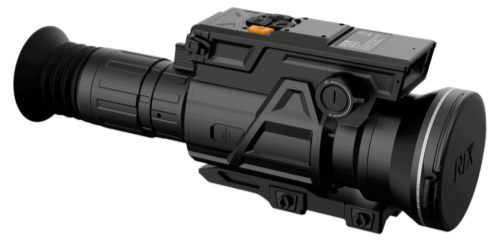
For thermal scopes, having the right accessories can make a significant difference in your overall shooting experience. While the scope itself is crucial, complementary accessories can enhance its performance, protect your investment, and make the device more convenient to use. This guide highlights essential thermal scope accessories, from basic mounting systems to advanced recording equipment, helping you make informed decisions about which add-ons best suit your needs and budget.
1. Basic Support Accessories
Mounting Systems
Quick-detach mounts allow fast removal and reattachment without losing zero, perfect for switching optics. Height-adjustable mounts ensure comfortable shooting by customizing eye relief and cheek weld. Cantilever mounts optimize eye relief on rifles with limited rail space
Protection Equipment
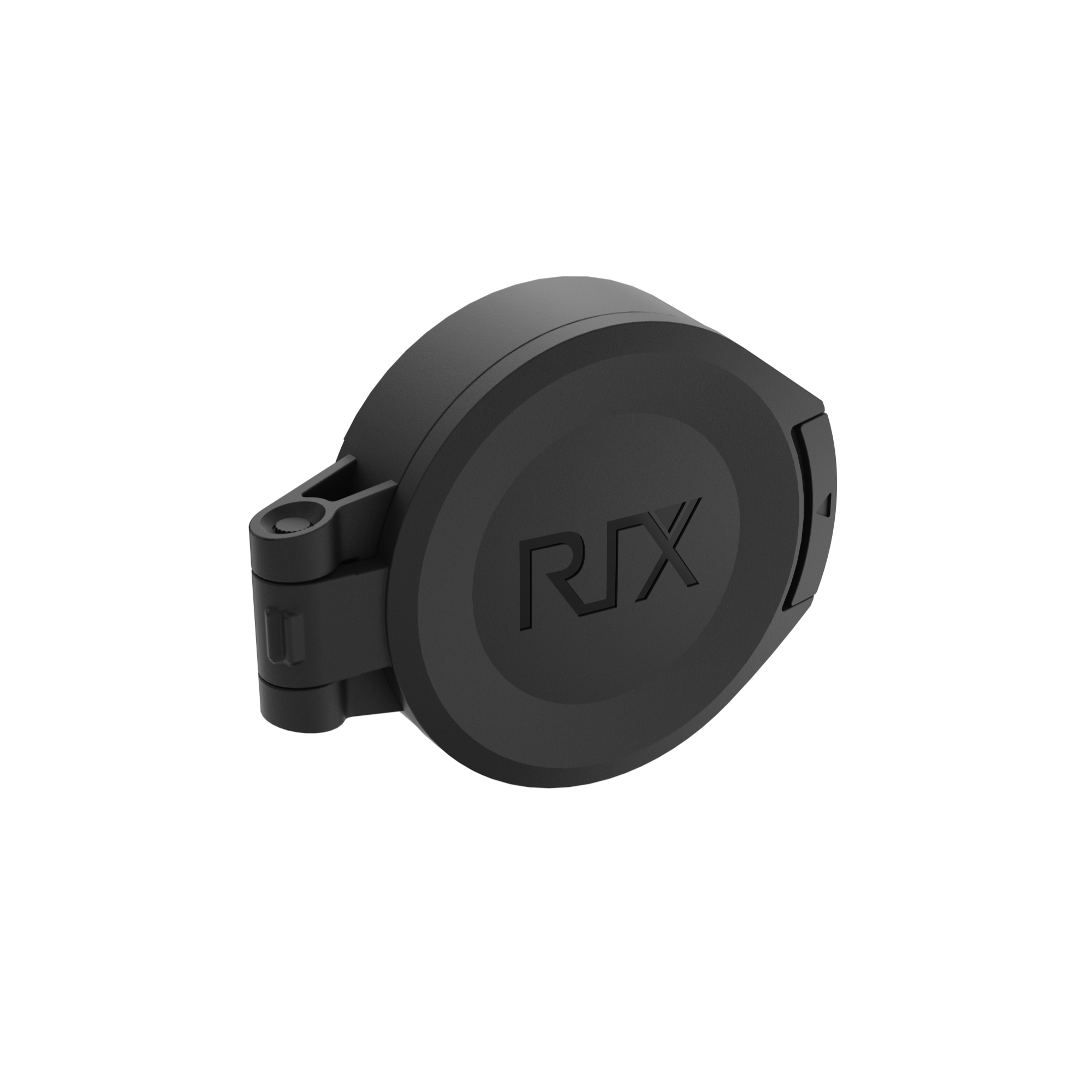
Lens covers shield optics from dust, moisture, and damage, with flip-up designs ideal for field use. Dust covers protect the scope body, keeping debris out of adjustment knobs and battery compartments. For transport, padded cases with water-resistant properties and custom-fit foam inserts keep your scope secure. Prioritize waterproof covers for wet conditions or sealed designs for dusty environments.
2. Power Solutions
Battery Options
Most modern thermal scopes accept rechargeable lithium-ion batteries, which offer excellent power density and longer run times compared to traditional batteries. Popular options include 18650 and CR123 batteries. It's recommended to always carry at least two sets of spare batteries for extended operations.
For optimal performance, consider these battery recommendations:
- Primary Use: High-capacity 18650 lithium-ion batteries (3000-3500mAh)
- Backup: CR123A lithium batteries for emergency situations
- Extended Operations: Carry 2-3 sets of fully charged spares

Charging Equipment
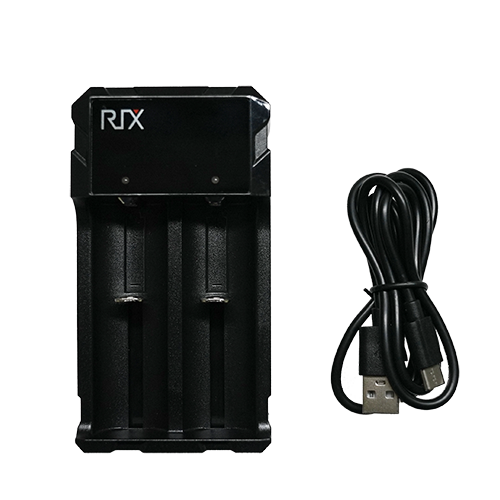
Efficient charging equipment ensures your thermal scope is always ready for action. Fast chargers can fully recharge batteries in just 2–3 hours, making them ideal for quick turnarounds. Portable power banks with capacities of 10,000–20,000 mAh offer reliable charging in the field, perfect for situations where wall outlets are unavailable. Vehicle chargers are invaluable for mobile operations or long hunting trips, allowing you to charge batteries during transit.
Choose a versatile charging system that supports multiple battery types and includes overcharge protection. This ensures compatibility with various power sources while safeguarding your batteries from damage, extending their lifespan and reliability.
3. Image Enhancement and Maintenance
Lens Accessories for Better Performance
Magnifiers can increase your effective range without compromising the base scope's performance. Specialized thermal filters can help reduce glare and improve contrast in challenging conditions like fog or light rain. Lens hoods are particularly valuable for eliminating stray light interference and protecting against light precipitation, while also reducing lens flare during daytime use.
For most users, we recommend starting with:
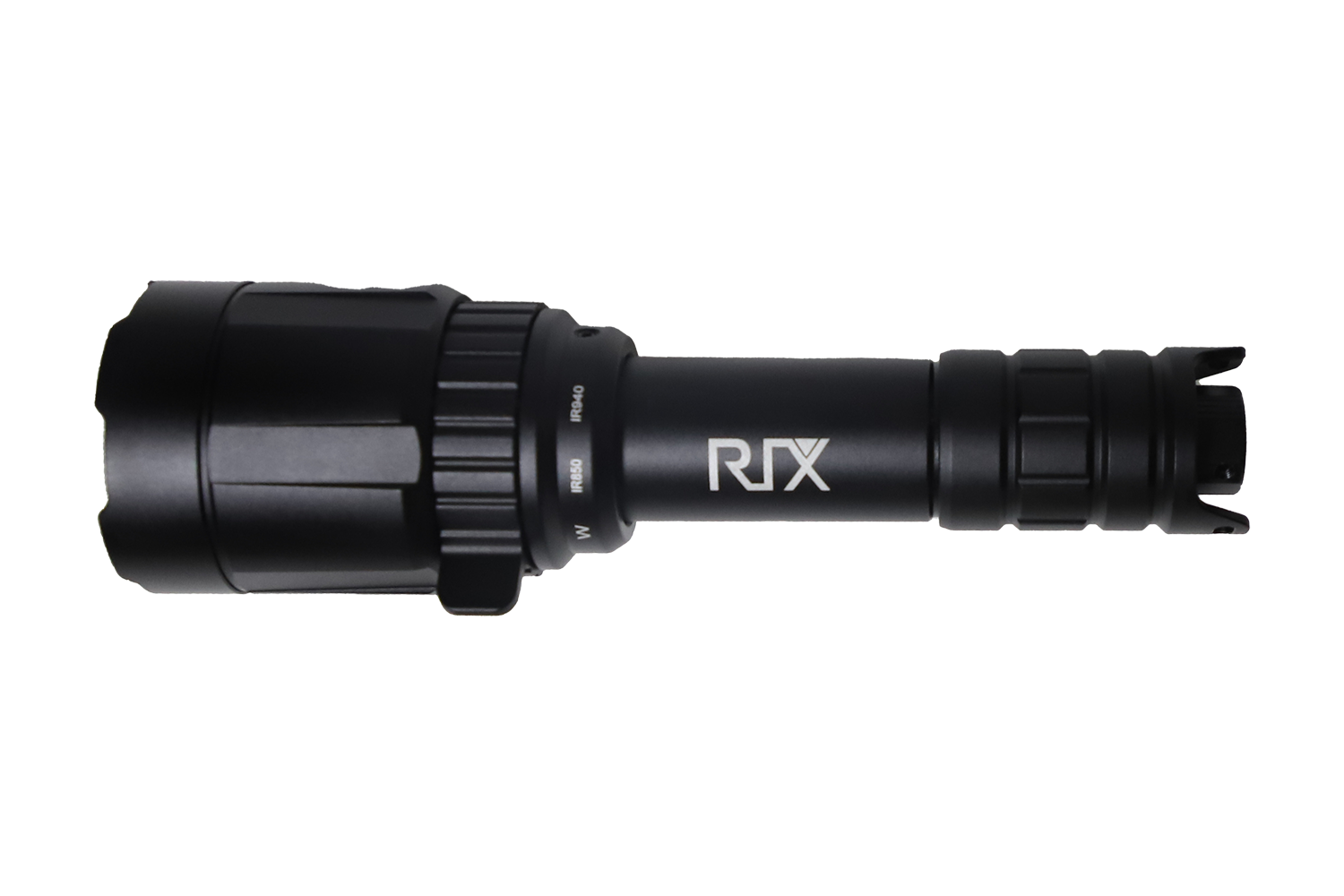
- A sturdy lens hood for environmental protection
- A 2x or 3x magnifier for versatile range options
- Anti-reflection filters for improved clarity
Cleaning and Maintenance Essentials
A complete cleaning kit should include:
- Lens cleaning solution specifically formulated for coated optics
- High-quality microfiber cloths that won't scratch delicate surfaces
- A rubber air blower for removing loose debris without contact
When cleaning your thermal scope, always start with the air blower to remove loose particles that could scratch the lens. Follow with a lens cleaning solution applied to a microfiber cloth—never directly to the lens. Use gentle, circular motions from the center outward to avoid damaging the sensitive lens coatings.
4. Transport and Storage Solutions
Selecting the right carrying and storage solutions ensures your thermal scope remains safe and ready for action.
Tactical Bags
Purpose-built tactical bags offer quick access and protection during field operations. These bags typically feature padded compartments, MOLLE attachment points, and weather-resistant materials. Look for bags with adjustable dividers that can accommodate your scope along with essential accessories like spare batteries and cleaning supplies.
Carrying Cases
Hard-shell carrying cases provide maximum protection during transport and storage. The best options feature:
- Custom-cut foam inserts that prevent movement
- Waterproof seals for environmental protection
- Pressure equalization valves for air travel
- Heavy-duty latches that won't accidentally open
Holsters
For active situations where quick access is crucial, specialized scope holsters offer a practical solution. These attach to your gear or belt and provide immediate access while protecting the optics from bumps and weather. Choose holsters with secure retention systems and weather-resistant materials.
Waterproof Storage Boxes
For long-term storage or extreme conditions, waterproof storage boxes are essential. These boxes should include:
- IP67 or higher water resistance rating
- Silica gel packets to control moisture
- Impact-resistant construction
- Secure locking mechanisms
Consider your typical usage pattern when selecting storage solutions. Those who frequently travel may prioritize airline-approved hard cases, while field operators might prefer quick-access tactical bags.

5. Data Recording Accessories
Video Recording Solutions
The ability to record thermal footage has become increasingly important for both professional applications and recreational use. Modern thermal scopes often include built-in recording capabilities, but external recorders can offer superior quality and longer recording times. Consider DVRs (Digital Video Recorders) that support HD resolution and offer real-time recording capabilities. Most quality recorders should feature:
- Multiple video format support
- Extended battery life for long sessions
- Weatherproof construction
- Direct mounting options
Data Management Essentials
Reliable data transfer cables are crucial for downloading your thermal footage. Look for:
- High-speed USB 3.0 or Type-C cables for faster transfers
- Reinforced connectors for durability
- Adequate length for comfortable use
- Weather-sealed connections when possible
Memory Card Selection
Choose memory cards that match your recording needs:
- Minimum Class 10 or UHS-I SD cards for smooth recording
- 64GB-128GB capacity for extended recording sessions
- Reliable brands with proven durability
- Weather-resistant models for harsh conditions
6. Practical Enhancement Accessories
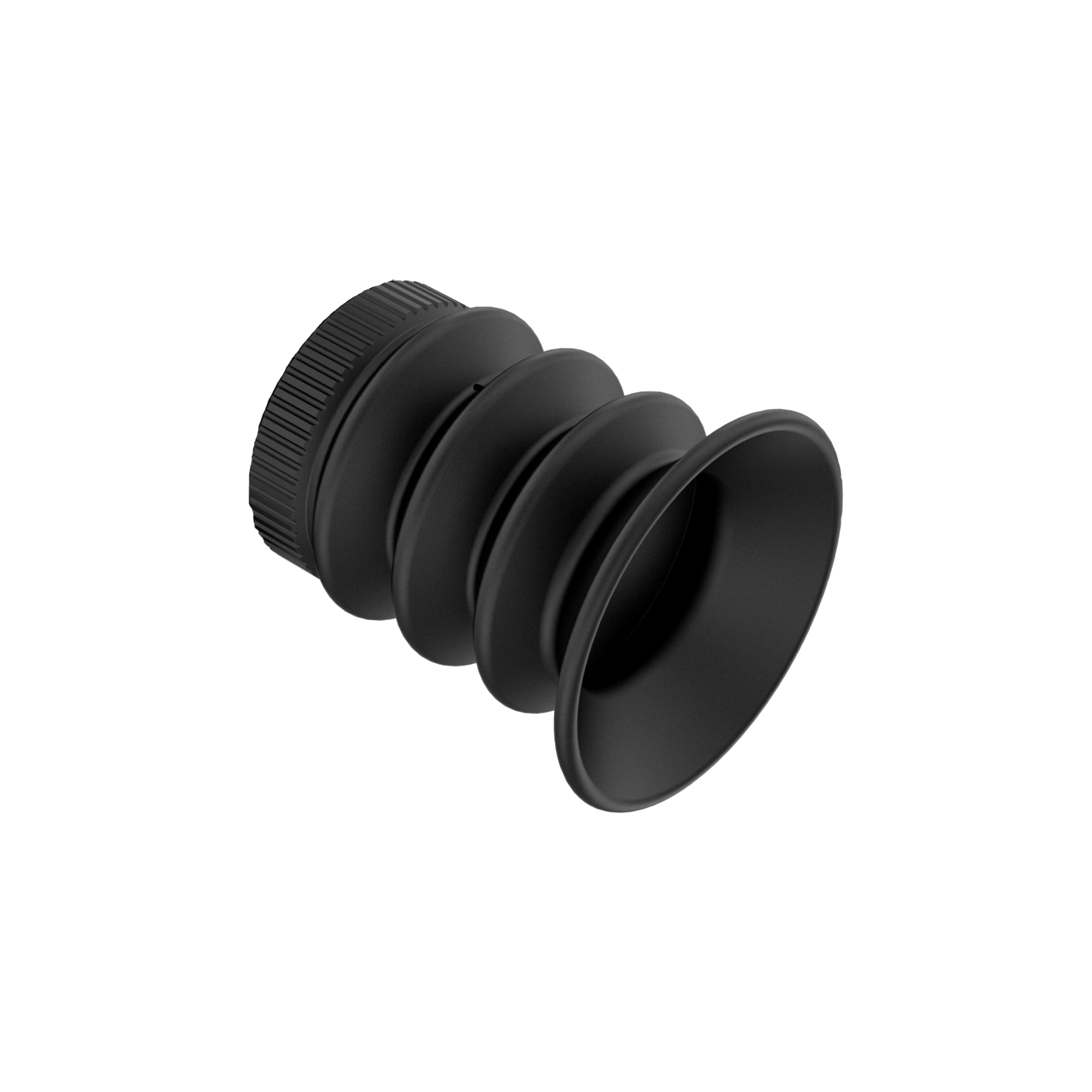
Eye cups are vital for blocking ambient light, providing comfortable eye relief, and protecting against scope bite, with durable rubber designs ensuring flexibility in all weather. Anti-shock pads safeguard your scope by absorbing recoil impact, maintaining zero retention, and reducing stress on internal components, while balance weights improve handling, reduce fatigue, and enhance weapon stability for smoother target transitions. Ergonomic handle grips with textured, weather-resistant surfaces offer secure control in any condition, with quick-detach options adding convenience and adaptability to your setup.
How to Make Smart Investments in Thermal Scope Accessories
Planning your thermal scope accessory purchases requires balancing your budget with your priorities. For beginners, allocating $200–$500 is usually enough to cover essential items such as a dependable mounting system, a protective case, standard lens covers, basic cleaning supplies, and spare batteries with a charger. These basics ensure your scope stays protected and functional for regular use.
Advanced users may want to budget $500–$1,500 for premium accessories that enhance both performance and versatility. This range can include quick-detach mounts, high-quality cases, upgraded eye cups, recording systems, and advanced power solutions. While these items require a larger investment, they can significantly improve your shooting experience and safeguard your optics.
When prioritizing purchases, start with essential protective gear like sturdy mounts, cases, and reliable power systems, as these directly affect your scope’s durability and performance. Once these are secured, consider convenience-enhancing additions such as recording equipment, anti-shock pads, and tactical bags. Luxury upgrades like premium hard cases and specialized filters can be added later, once the essentials are in place.
FAQ
Will a thermal scope detect a snake?
Yes, thermal scopes can detect snakes. However, effectiveness depends on the temperature difference between the snake and its surroundings. Snakes are most visible after absorbing heat from warm surfaces.
How do snipers avoid thermal detection?
- Use thermal-insulating blankets or anti-thermal clothing.
- Hide behind natural covers like dense foliage.
- Position behind materials such as glass or water, which block thermal radiation.
What can damage a thermal scope?
- Direct exposure to sunlight.
- Physical impacts or moisture intrusion.
- Extreme temperatures.
- Improper cleaning or neglecting lens protection.
How far can a thermal scope be seen?
- Consumer-grade scopes: 300–500 yards for human-sized targets.
- High-end scopes: Over 1,000 yards under optimal conditions.
Let me know if you need further clarification or additional details!
Can thermal sights see through walls?
No, thermal scopes cannot see through solid walls. They only detect heat signatures on surfaces and may register heat radiating from a wall, but they cannot reveal what’s behind it.
Comments