








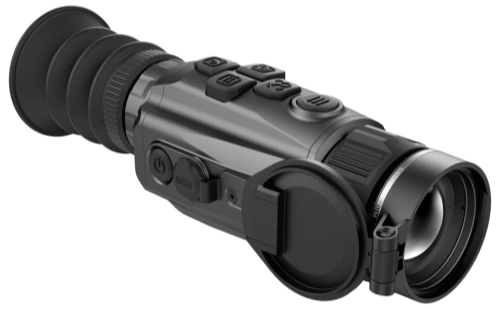
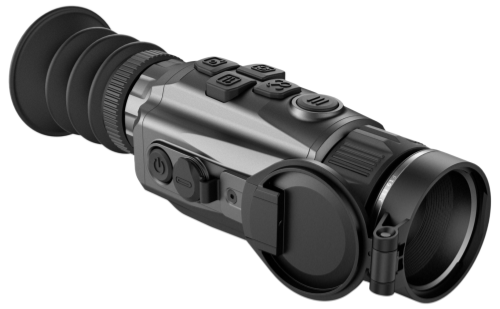

Night Hunting with Thermal Scopes: Tips and Tricks for Success
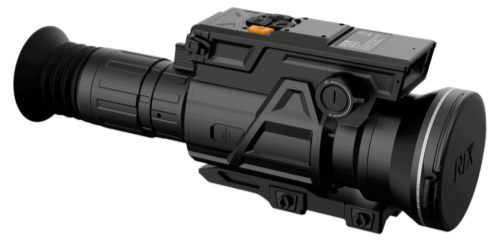
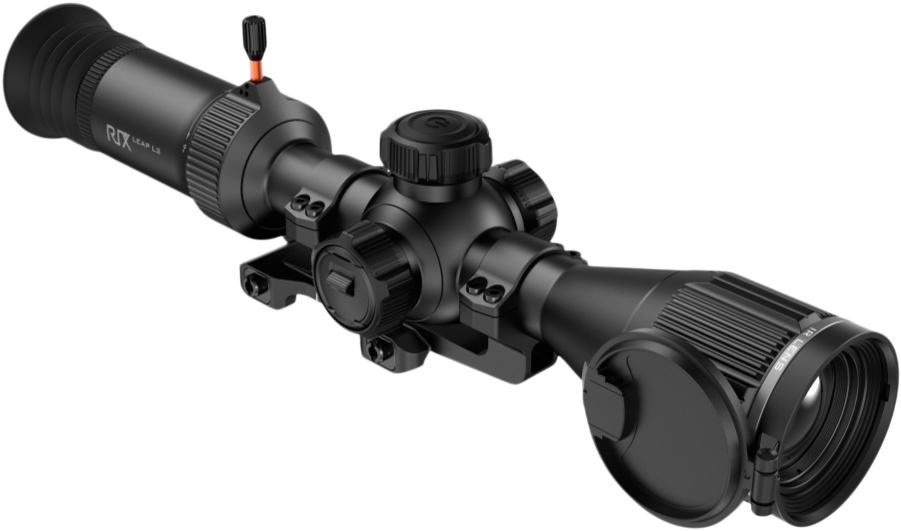
In modern hunting, thermal imaging technology has become indispensable, offering significant advantages for night-time and low-visibility situations. Thermal scopes revolutionize the hunting experience by enhancing visibility in darkness and adverse weather conditions, enabling hunters to identify targets swiftly and safely. This article talks about the core benefits of using thermal scopes in hunting, practical tips for their effective use, advanced strategies for various environments and weather conditions, and solutions to common issues, providing a comprehensive guide for improving hunting success through thermal imaging.
How Do Thermal Scopes Enhance Hunting?
Thermal scopes offer a great range of benefits for hunters wishing to improve their night hunting performance and general success.
1. All-Weather Operational Capability
Thermal scopes are great in different kinds of weather since they are clearly independent of external conditions. Thermal imaging detects heat signatures instead of light, unlike conventional optics, thereby enabling hunters to see properly at night. This capacity is priceless in darkness and equally useful in bad weather like rain or fog when visibility is typically limited. Thermal scopes also allow hunters to find targets that could otherwise be hidden by piercing smoke and light cover, such as bushes or foliage.
2. Enhanced Target Identification
One of the significant benefits of using thermal scopes is their ability to quickly and accurately identify targets. The technology enables rapid target acquisition by highlighting heat signatures against cooler backgrounds, which is particularly useful for distinguishing between animal species, even at a distance. This precision reduces the risk of misidentification, ensuring hunters can make informed decisions and ethical shots.
3. Improved Hunting Safety
Safety is a critical concern during any hunt, and precise thermal scopes contribute significantly to this aspect. By providing enhanced environmental awareness, hunters can better assess their surroundings, minimizing the chances of accidental shootings. Thermal imaging allows for greater situational awareness, detecting potential hazards or non-target objects, thus promoting a safer hunting experience overall. For example, hunters can easily identify fellow hunters or nearby obstacles, reducing risks associated with poor visibility conditions.
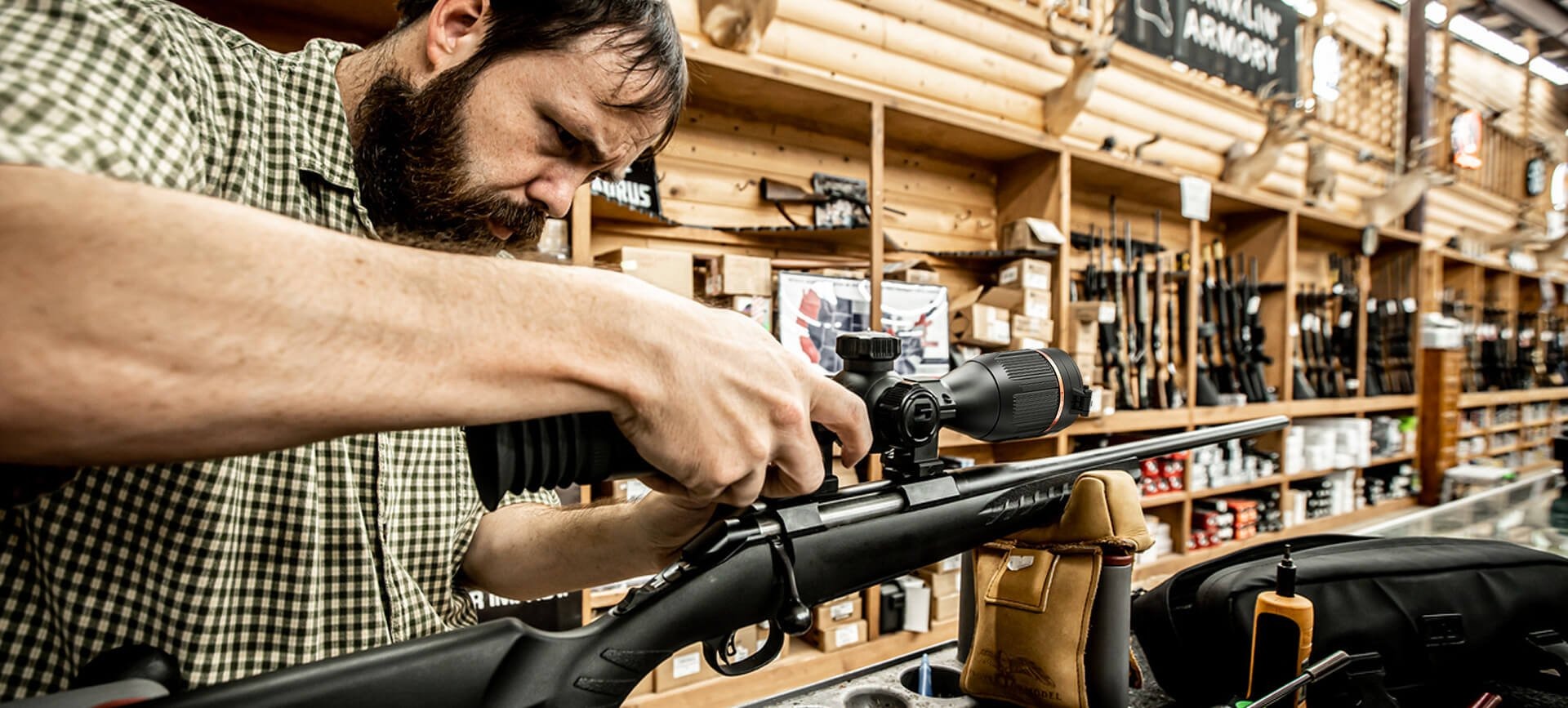
What Are Practical Usage Tips for Thermal Scopes?
Maximizing the effectiveness of thermal scopes in hunting involves understanding their settings and how to prepare and apply them in the field.
1. Basic Settings Optimization
To get the most out of your thermal scope, start by selecting the appropriate color palette that provides the best contrast for your environment, such as white-hot or black-hot modes. Adjust the contrast and brightness to improve image clarity according to ambient conditions. Make sure to fine-tune the focus for sharpness, which is vital for identifying targets accurately.
2. Pre-Hunt Preparation
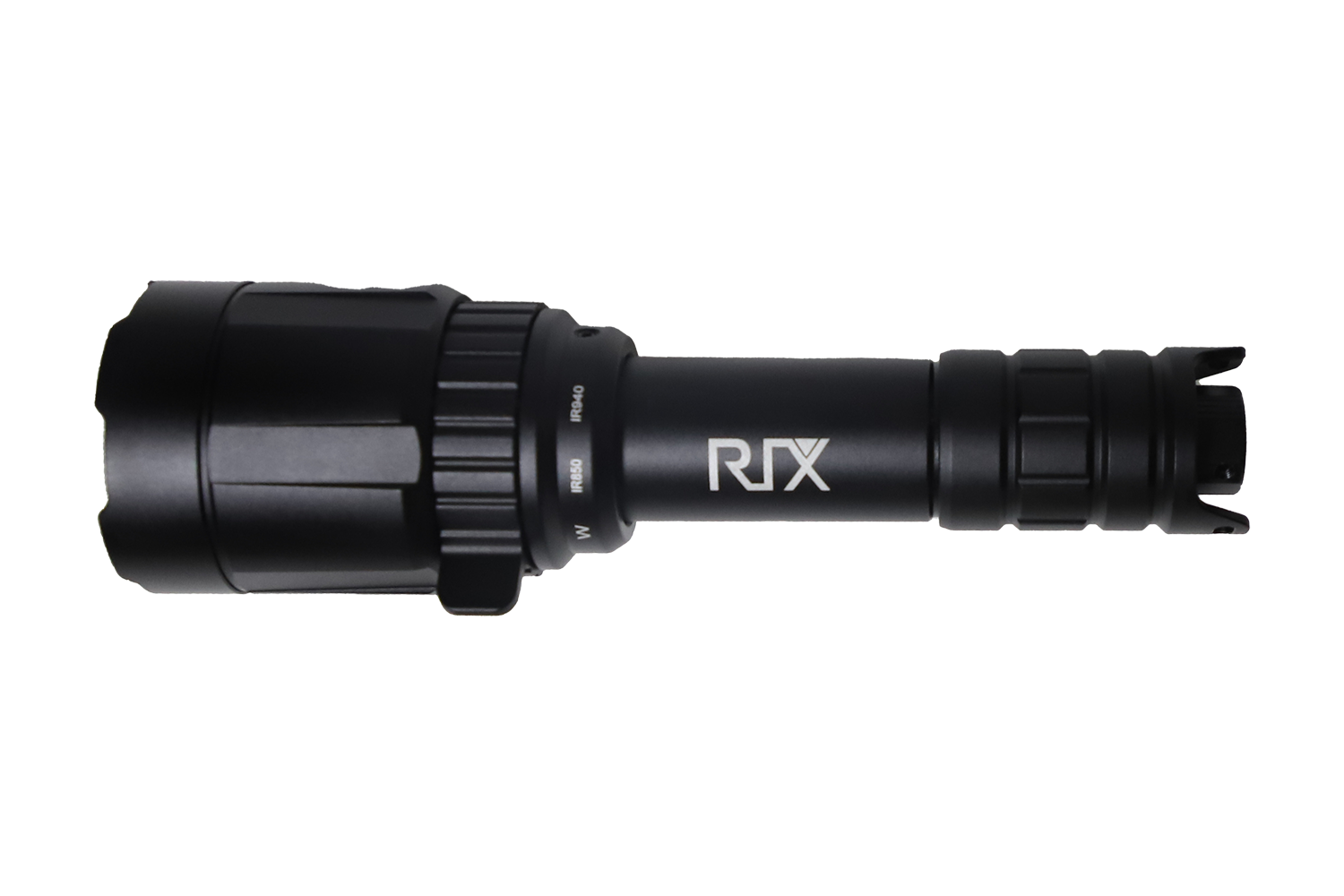
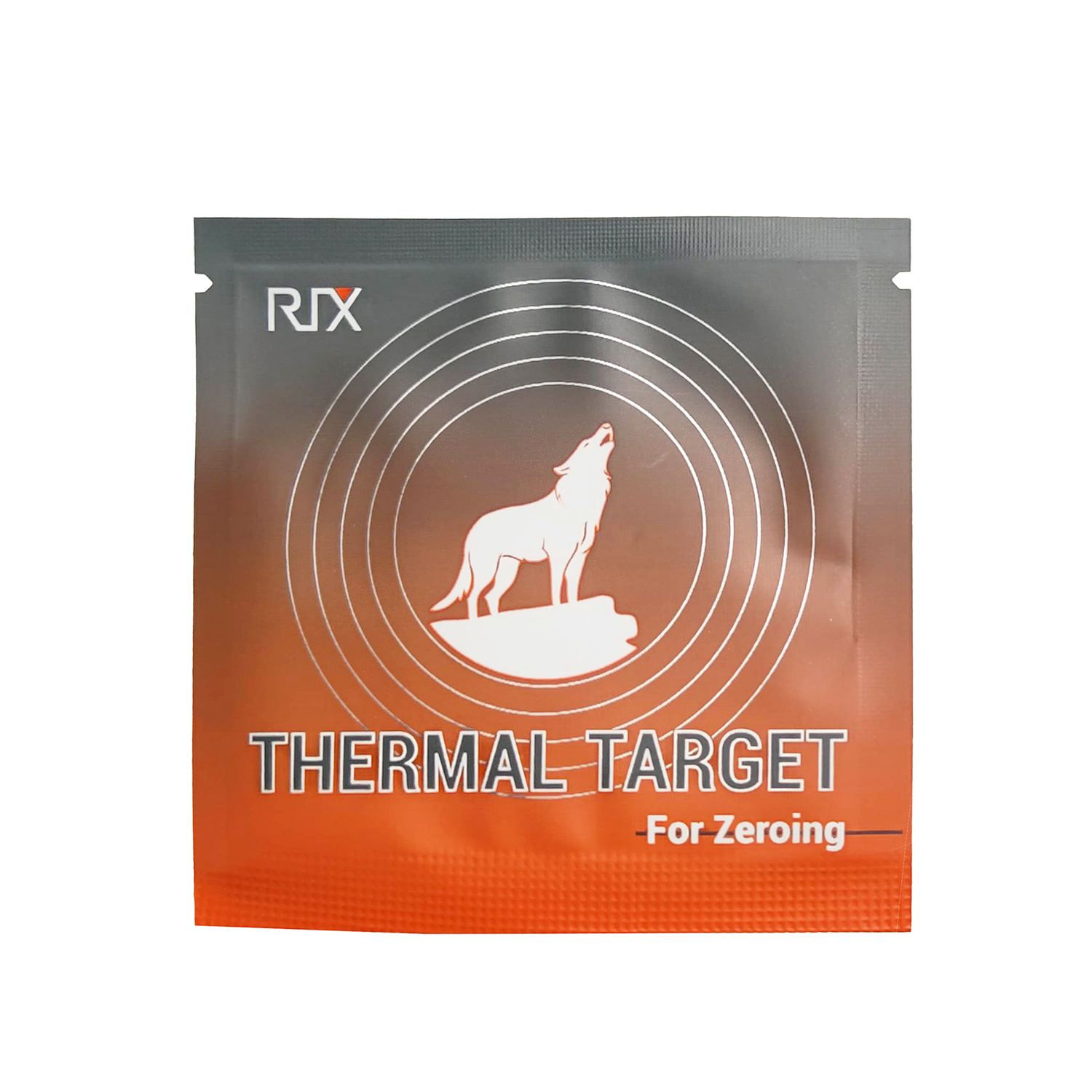
Calibrate your tools correctly to guarantee accurate readings before you leave. This covers zeroing the scope and looking for software upgrades. Good battery management is vital; always carry extra batteries to prevent power loss during pivotal events. Frequent maintenance and cleaning of your scope will help to avoid performance deterioration over time.
3. Field Application Techniques
Correcting the device for better imaging and accurate targeting depends on a suitable holding posture. Cover the ground fully and quickly identify possible targets using methodical area scanning techniques. Create efficient target-tracking methods to keep sight of moving animals, therefore guaranteeing quick and successful engagements.
Advanced Usage Strategies for Thermal Scopes
To elevate your hunting experience with thermal scopes, it's essential to adopt advanced strategies tailored to specific environments, weather conditions, and equipment integration.
In open terrain, utilize the scope’s range capabilities to scan large areas quickly and spot distant targets. For dense forest areas, focus on sensitivity settings that enhance contrast between animals and heavy foliage. In mountainous terrain, adjust the angle of your scans to account for elevation changes and ensure a comprehensive view of the landscape.
Use waterproof or water-resistant scopes and think about weather-specific lens covers to preserve vision when working in the rain. Raise the sensitivity of your scope to better separate heat signatures in moist-laden air under foggy circumstances. Calibrate your scope more often in high climates since temperature changes can compromise its battery life and accuracy.
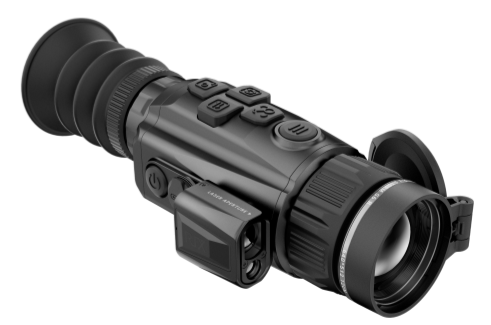
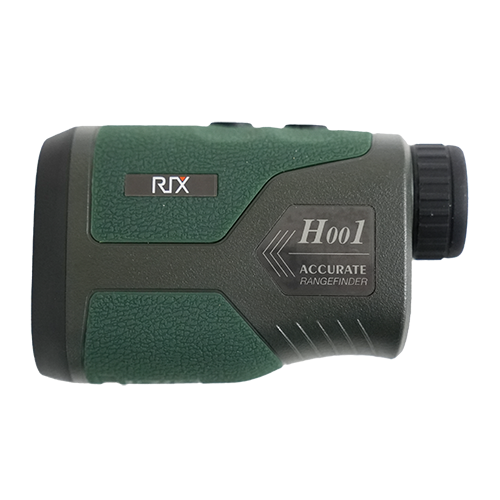
To measure distances exactly and increase targeting accuracy, coordinate your thermal scope with a rangefinder. If you hunt in changing light, practice smooth transitions between your thermal and day scope. To guarantee your setup is best for various hunting conditions, lastly, choose compatible accessories like mounts and tripods to improve stability and utility.

What Are the Common Issues and Solutions When Using Thermal Scopes?
Thermal scopes can sometimes present challenges, but understanding common issues and solutions ensures a smooth hunting experience.
Technical Problem Resolution
For image clarity issues, regularly clean the lens with appropriate materials to prevent dust and smudges. Adjust settings like brightness and contrast based on environmental conditions for optimal visibility.
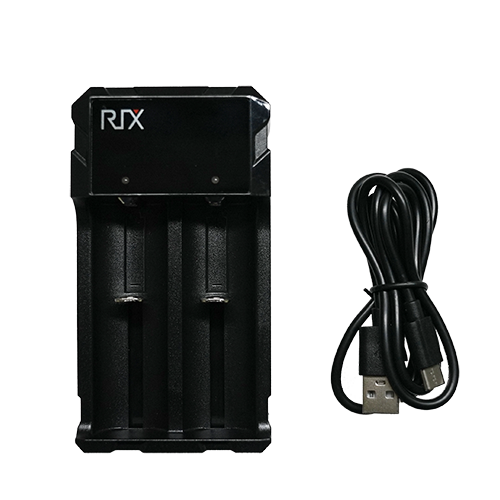
To optimize battery life, use energy-efficient settings and carry extra batteries or portable chargers to avoid interruptions. Regularly check for firmware updates that could enhance performance.
For general system troubleshooting, familiarize yourself with your scope’s user manual and support resources to address unexpected malfunctions promptly.
Common Misconceptions
Misunderstandings about thermal scopes can lead to operational errors. One common error is assuming they work like night vision; however, thermal scopes detect heat rather than amplifying light. Correct these misconceptions by thoroughly reading the scope’s documentation and practicing in varied conditions.
Important precautions include ensuring the scope is properly mounted and calibrated before use and understanding the legal regulations surrounding thermal imaging equipment in hunting to ensure compliance.

Professional Tips to Enhance Hunting Efficiency with Thermal Scopes
Strategic preparation and coordination are absolutely vital to maximize thermal scopes' hunting performance.
Effective hunting begins with hunt route mapping, which involves studying maps and selecting routes that provide optimal vantage points and access to target-rich areas. Consider timing selection carefully; dawn and dusk typically offer heightened animal activity but require different thermal adjustments. Terrain analysis is essential—understanding the landscape helps anticipate where animals might be hiding and how best to approach them using your thermal scope's capabilities.
Establish communication protocols such as hand signals or radio communication to ensure smooth information exchange without alerting wildlife. Assign roles based on each team member’s strengths, such as spotter, tracker, or shooter, to streamline operations and cover more ground effectively. Prioritize safety coordination by discussing emergency procedures and ensuring everyone understands their role in maintaining a safe hunting environment, particularly when operating with thermal technology that might limit peripheral awareness.
Maximize Hunting Success with Thermal Scopes
In contemporary hunting, advanced thermal scopes are transforming tools with unparalleled benefits in visibility and safety over a range of environments and circumstances. Hunter success rates can be greatly raised by using their all-weather qualities, enhanced target detection, and better situational awareness. By means of meticulous design, optimal configuration, and teamwork, these tools can be fully employed. Dealing with common problems and misunderstandings will help to guarantee a flawless performance, so thermal scopes are very essential for every experienced hunter.
Comments