












Avoiding Common Mistakes When Using Night Vision Scopes for Hunting
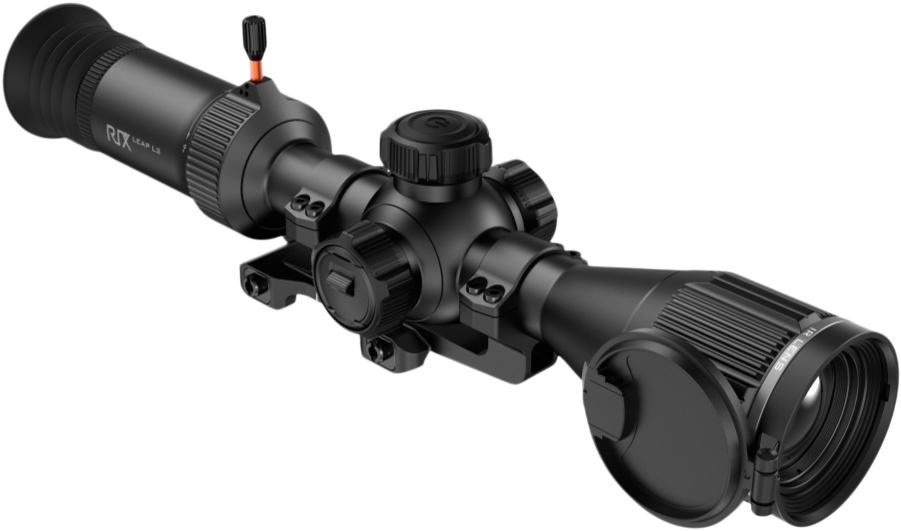
By cutting the curtain of darkness to expose a nighttime world formerly off-limits to even the most experienced hunters, night vision scopes have transformed hunting. Knowing how to use this technology might make all the difference between a good hunt and a frustrating evening. This post will walk you through the inner workings of night vision, identify typical mistakes, and offer doable solutions to guarantee your nighttime trips are successful. From choosing the correct gear to learning its use while honoring nature's rhythms, we are here to show you your road to becoming a competent night hunter.
What Is Night Vision Technology?
In low-light environments, night vision scopes operate by catching little amounts of light—including the lower spectrum of infrared light—and magnifying them to show a sharper image. Fundamentally, they run on a photocathode tube that turns photons into electrons, amplifies photons, and subsequently back into visible light.

Hunters should familiarize themselves with key terms such as:
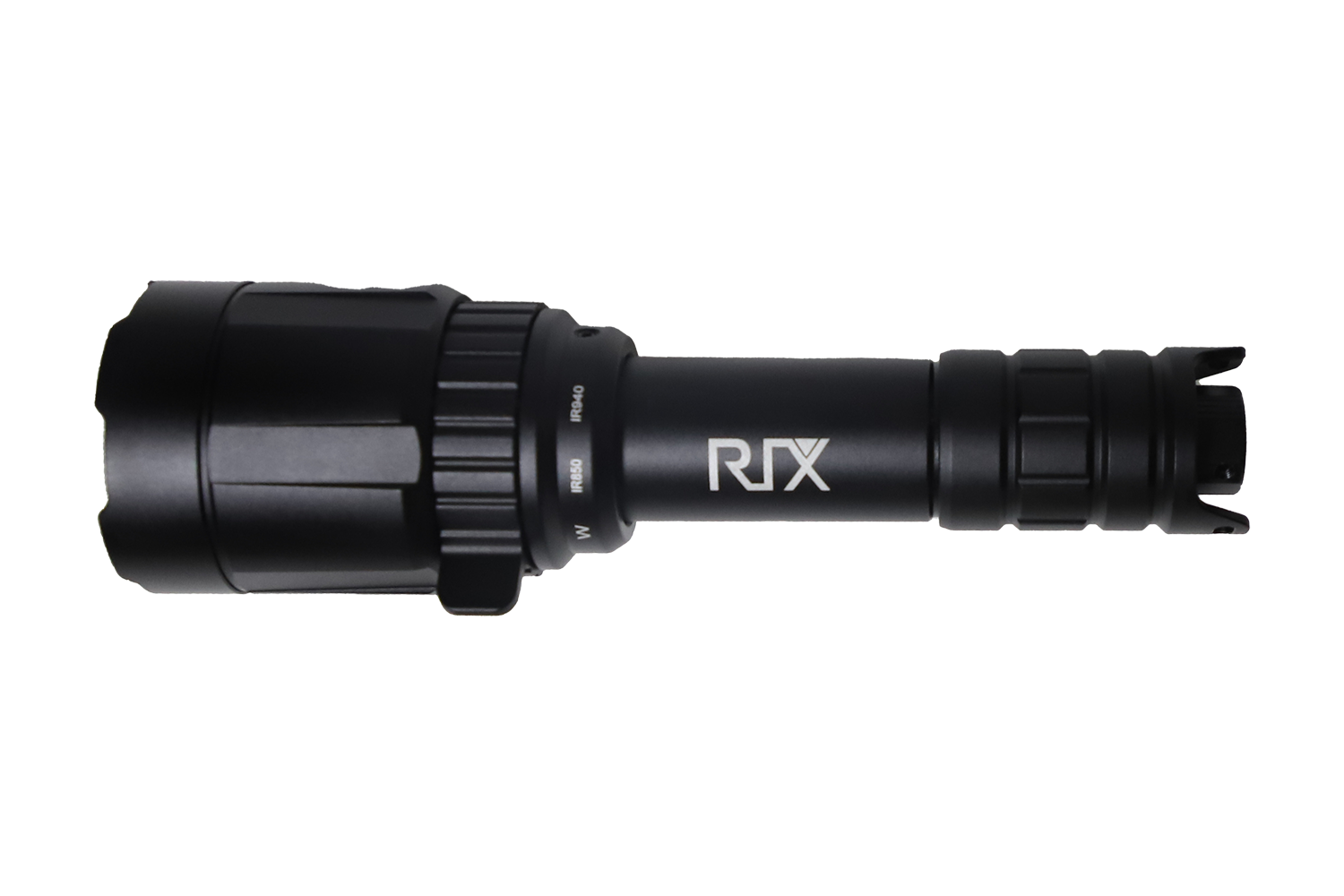
- IR Illuminator: An added light source that emits light not detectable by the naked eye.
- Resolution: The detail level of the image, usually measured in lines per millimeter.
- Range: The maximum distance at which the scope can effectively view an object.
- Gain: The level of light amplification provided by the device.
How to Avoid Pitfalls with Night Vision Scopes
Common mistakes can compromise the effectiveness of night vision integration into hunting. Choosing a generation or type of scope inappropriate for the current task is a common mistake; what works in an open field could not function in a densely populated area. Since every model has a unique maximum effective viewing distance, underestimating or overestimating the range of a scope can cause missed targets or erroneous distances.
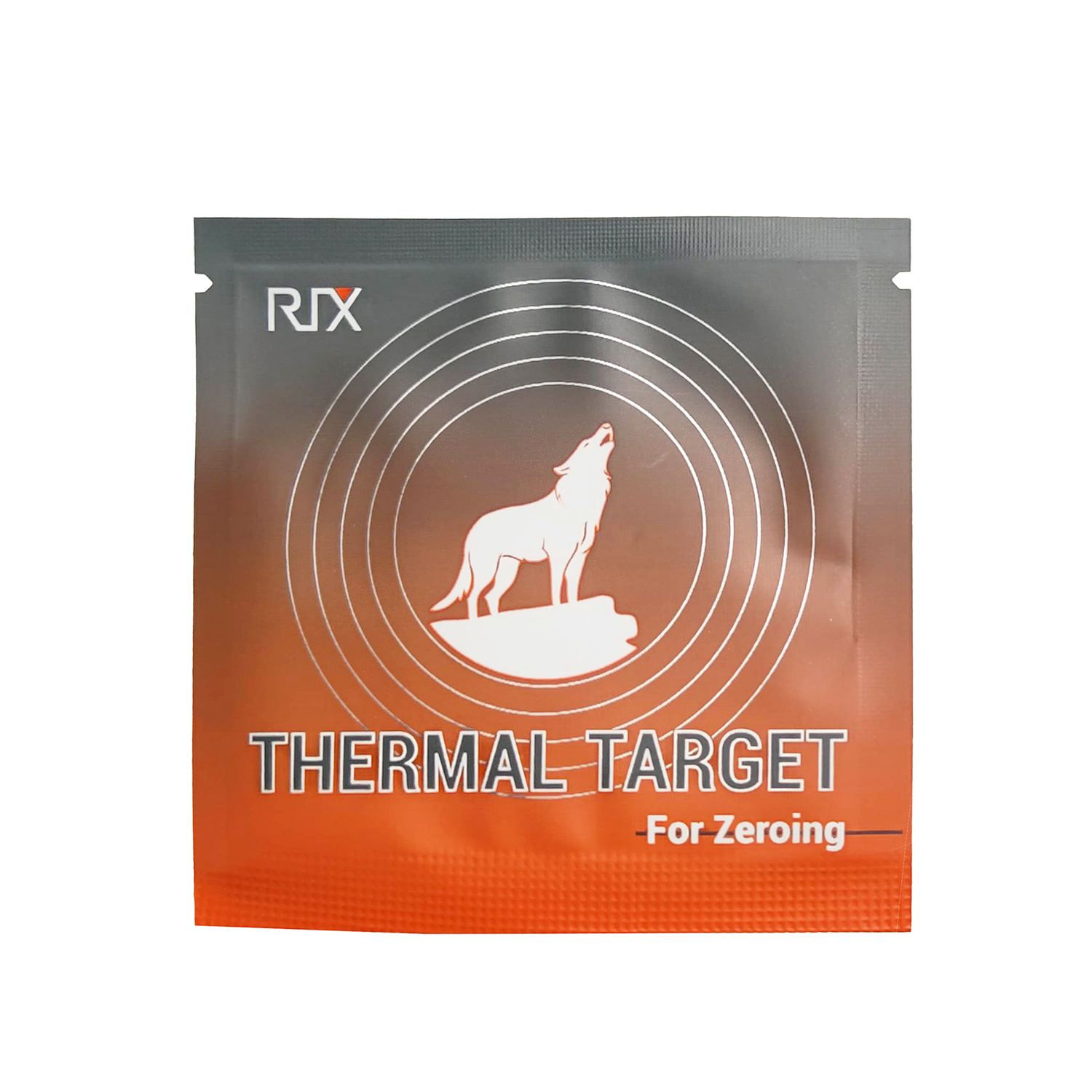
Some hunters forget that their night vision equipment is supposed to enhance rather than replace natural senses and conventional hunting techniques; they depend too much on it. Many also ignore the important stages of zeroing and calibration, which orient the scope's sights for accuracy—a need before any hunt.
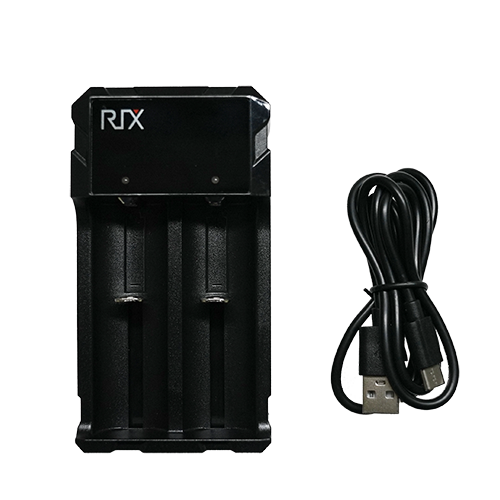
Common battery errors include neglecting to pack spares or depending on unstable power sources, which can quickly cut off a night hunt. Recall that just as much as the hunt itself is knowledge and equipment preparation.
Best Practices to Ensure Success with Night Vision
Choosing the correct night vision scope is really critical. Evaluate the habitat you will hunt—open ground or a thick forest—as well as your target, whether it be sedentary hogs or agile coyotes. The budget also determines decisions; make intelligent investments within your means. Consulting seasoned hunters or experts who know how different scopes perform in different circumstances helps.
Set reasonable expectations regarding the range of your scope: detection range for just seeing something is out there, recognition range for differentiating type, and identification range for verifying certain features. Increase visibility without revealing your position by using IR illuminators and ambient light.
Night vision should enhance rather than overwhelm your senses and hunting ability. Discover a complete method by learning to combine technology with conventional tracking techniques.
Use a methodical process to guarantee precision for zeroing and calibration: Start close-range and progressively advance to larger distances, modifying as necessary.
Lastly, proper battery care is crucial. Opt for high-quality batteries, and always pack spares. Understanding power consumption patterns can prevent being left in the dark at critical moments.
Tips and Tricks for Night Vision Users
Use the "20-20-20" rule—every 20 minutes, look at something 20 feet away for at least 20 seconds—to fight visual tiredness, a common problem with extended night vision use. Alternating your observing eye will also help to ease the strain.
Using night vision calls for a new level of awareness; move gently to adjust to the changed depth perception and orient yourself using landmarks. To save night-adapted vision, keep a low-profile headlamp with a red or green filter accessible for map reading.
Performance of night vision depends critically on the weather. Fog and rain can reflect IR light and decrease visibility, so adjust your hunting strategy accordingly. Temperature variations also have an impact on gadget operation and battery life.
Extending the life of your scope depends mostly on correct maintenance and storage. Store the scope in a cool, dry environment and clean the lenses using suitable optics equipment following use. Eliminating batteries when not in use helps to prevent corrosion. Regular inspections and cleaning will guarantee that your night vision scope is a dependable hunting buddy for many years to come.
Advanced Considerations in Night Hunting
Changing from basic to more complex night vision models with higher generations will improve clarity and range as you get more skilled in night hunting. Your field performance and efficiency will be greatly enhanced by these changes.
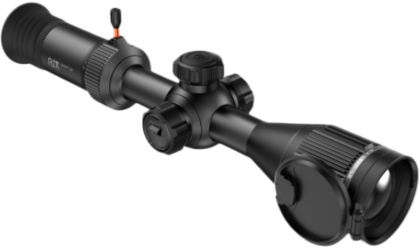
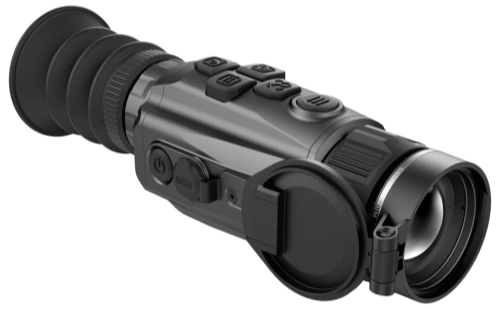
Another tool worth considering as a complement is thermal imaging scopes. Unlike night vision, thermal senses heat signatures instead of ambient light, so it is quite helpful for locating games in total darkness or over obstacles like trees.
Advanced technology does, however, also bring more obligation. As rules vary greatly, always keep updated about the legal framework controlling the use of thermal imaging and night vision equipment in your area. Ethical issues should also direct your behavior; make sure your methods support sustainable hunting techniques and help to preserve wildlife. Use these strong tools gently.

Concluding Thoughts on Night Vision in Hunting
A good knowledge and application of night vision equipment will greatly improve the hunting experience in the serene serenity of the evening. Avoiding common mistakes and adopting best practices will help hunters combine current innovations with the primal allure of conventional abilities. Success in the nocturnal hunt rests not only in gear but also in the intelligence of its usage, regardless of your level of experience with the hunt or your desire to improve your approach using advanced equipment and techniques. Every trip under the stars may become a voyage of discovery, conservation, and connection to the wild world around us if we practice responsibly and respect the legal and ethical limits of night hunting.
Comments