




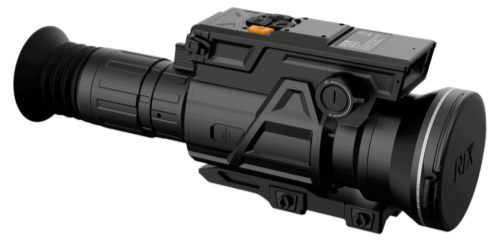







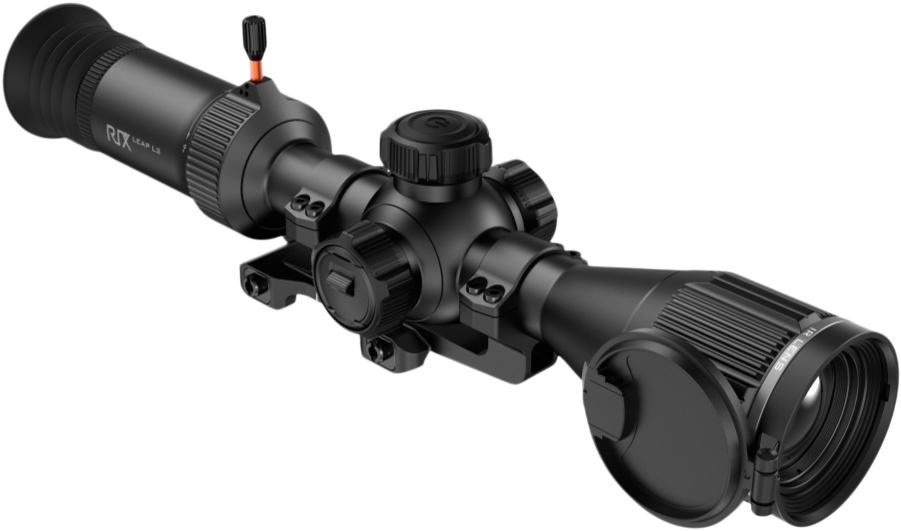
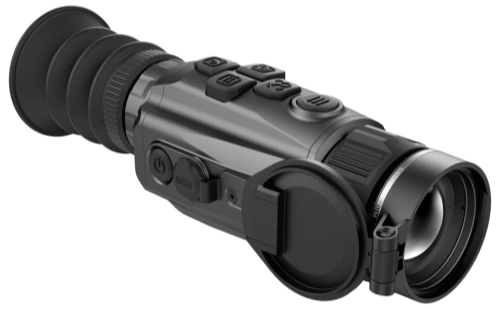

Can Digital Night Vision Scopes with Infrared Illumination Expanded Night Vision Range?
Quick Answer
Yes, digital night vision scopes with infrared illumination can expand your night vision range. By turning invisible light into clear images, they let you see in the dark and through fog or smoke, making them perfect for hunters, researchers, and anyone needing a stealthy edge.
How Digital Night Vision Scopes Transform Darkness
Photoelectric Conversion
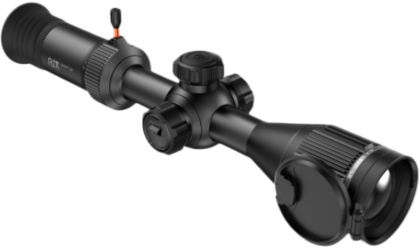
Digital night vision scopes operate through an ingenious photoelectric conversion process. At their core, specialized sensors capture even the faintest available light—moonlight, starlight, or ambient environmental illumination. These sensitive sensors transform light photons into electronic signals, dramatically amplifying what would be invisible to the human eye.
The conversion happens in milliseconds:
1. Light enters through the lens
2. Photosensitive sensors detect light particles
3. Electronic signals are generated and magnified
4. Signals are reconstructed into a visible image
Image Enhancement
Advanced image processing techniques elevate digital night vision scopes far beyond traditional light amplification. Sophisticated algorithms work simultaneously to:
- Reduce image noise
- Enhance contrast
- Improve clarity
- Stabilize visual information
- Optimize brightness levels
Imagine a high-powered computer chip analyzing and refining each pixel in real time, transforming dim, grainy images into clear, detailed representations of nocturnal landscapes. Modern digital night vision scopes can amplify available light thousands of times, revealing details invisible to the naked eye.
Why is Infrared Illumination Good for Night Vision?
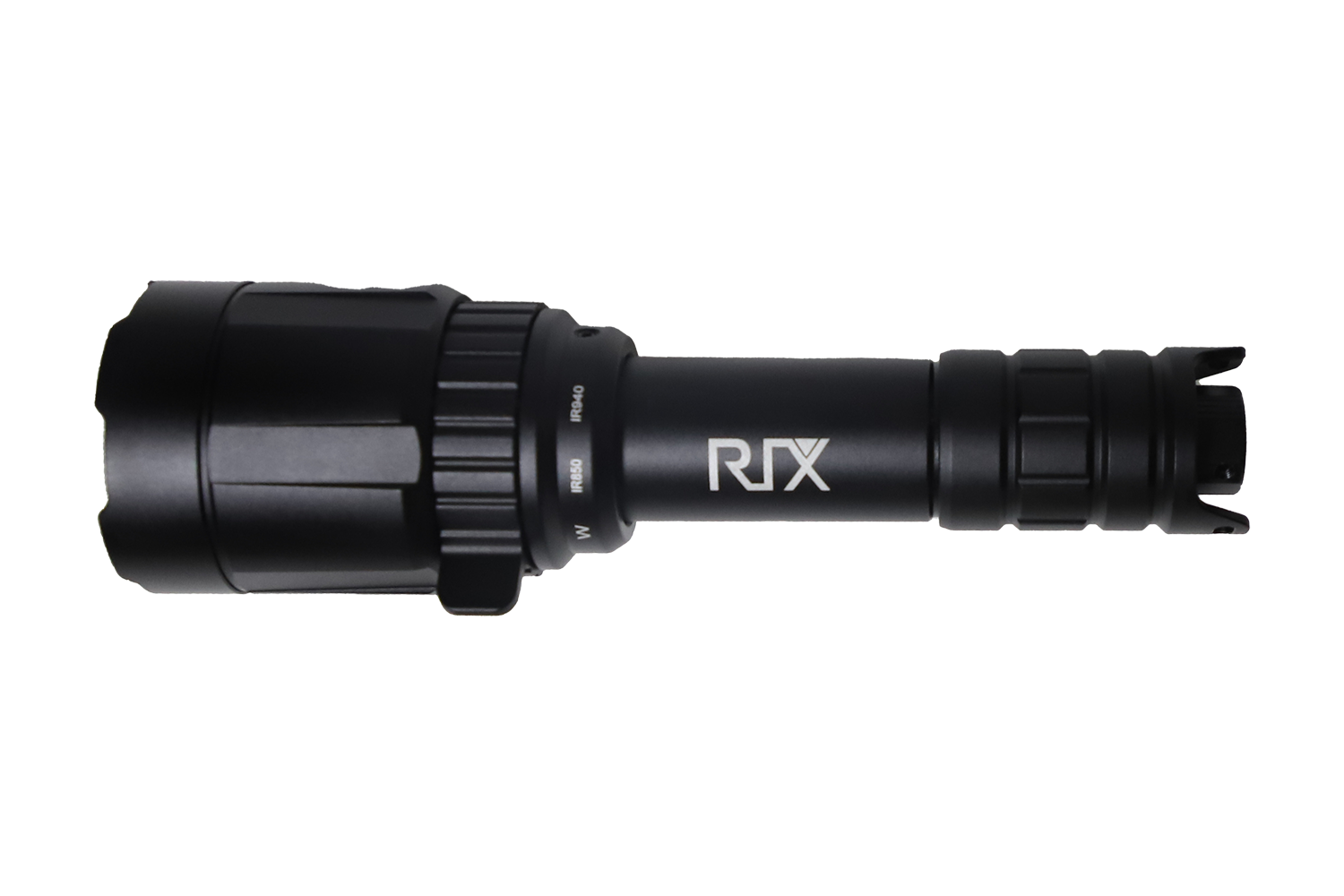
Infrared illumination significantly enhances night vision by providing light invisible to the human and animal eye, making it an ideal tool for stealth and minimal disruption. Operating at a 940nm wavelength, it offers numerous benefits, including a nearly undetectable signature that ensures reduced disturbance to wildlife, crucial for activities like ecological monitoring and hunting.
This technology excels in adverse conditions, penetrating dense fog, heavy haze, and light smoke, effectively maintaining visibility where traditional lighting fails. It also allows users to navigate through vegetation with minimal interference, enhancing operational capabilities in diverse environments.
The applications of infrared illumination are vast and impactful. In wildlife research, it enables unobtrusive observation of animals. For military reconnaissance, it provides enhanced situational awareness under cover. Hunters benefit from its ability to track game stealthily, while ecologists use it to study ecosystems without altering natural behaviors. This makes infrared illumination indispensable across multiple fields.
How to Match Digital Night Vision Scopes with Infrared Illumination
1. Wavelength Selection: 850nm vs 940nm
Different infrared wavelengths offer unique advantages for hunters:
850nm Infrared Light:
- Higher light intensity
- Better short-range performance
- Slightly more visible to some animals
- Ideal for dense forest environments
- Provides robust illumination in complex terrains
940nm Infrared Light:
- Nearly invisible to human and animal eyes
- Superior long-range detection
- Minimal wildlife disturbance
- Excellent for open terrain hunting
- Preferred by professional hunters
2. Power Selection Strategy
Infrared illuminator power depends on two critical factors:
- Hunting distance
- Ambient light conditions
Recommended guidelines:
- Short-range (50-100 meters): 3-5 watts
- Medium-range (100-200 meters): 5-10 watts
- Long-range (200-300 meters): 10-20 watts
3. Beam Angle Considerations
Beam angles dramatically impact hunting effectiveness:
- Narrow beam (10-15 degrees): Precise long-distance targeting
- Medium beam (25-35 degrees): Balanced coverage
- Wide beam (45-60 degrees): Broader area illumination
4. Illumination Intensity Adjustment
Environment-specific calibration is crucial:
- Dense forest: Lower intensity, wider spread
- Open terrain: Higher intensity, focused beam
- Varying weather conditions: Dynamic intensity management
5. Practical Matching Tips
Infrared illuminator and night vision scope installation requires precision:
- Align illuminator parallel to scope's optical axis
- Maintain consistent mounting height
- Use quick-detach mounts for flexibility
- Prevent direct lens exposure
- Consider weight distribution
6. Key Mounting Recommendations:
- Use sturdy, vibration-resistant mounts
- Ensure clear line of sight
- Minimize additional equipment weight
- Practice quick attachment/detachment

How Can Digital Night Vision Scopes Transform Your Hunting Strategy?
Night Search Techniques
Infrared illumination revolutionizes nocturnal prey detection by expanding search capabilities beyond natural visual limits. Modern hunters can now see through dense vegetation and reveal heat signatures invisible to the naked eye.
Hunters leverage advanced technology to locate prey through precise heat contrast detection, movement pattern recognition, and systematic scanning techniques. Each sweep of the infrared scope transforms darkness into a readable landscape.
Detection Probability Enhancement
Infrared technology offers unprecedented advantages in wildlife tracking. By identifying camouflaged animals and detecting minute movement variations, hunters gain a significant tactical advantage.
The technology provides consistent visibility across challenging terrains, cutting through environmental obstacles that would traditionally obscure potential targets.
Target Identification Strategies
Clear imaging becomes critical for responsible hunting. Infrared scopes allow hunters to distinguish species through unique thermal signatures, analyzing animal size and movement patterns with remarkable precision.
Different animals produce distinct heat signatures. Larger mammals generate stronger thermal images, while predators display characteristic movement patterns that experienced hunters can quickly recognize.
Precise Shooting Techniques
Infrared illumination dramatically improves shooting accuracy by providing consistent targeting references. Hunters can reduce aiming time and minimize environmental interference.
Night Shooting Precautions
Successful night hunting requires more than advanced equipment. Hunters must:
- Use steady, controlled movements
- Practice proper breathing techniques
- Maintain equipment stability
- Know legal hunting regulations
- Prioritize ethical hunting practices
Critical Considerations
Good hunting calls for a total strategy. Before firing, always double-check targets, know equipment limitations, and use consistent practice and training to grow in ability.

Can Natural Conditions Really Impact Night Vision Performance?
Ambient Light Dynamics
Night vision technologies depend much on moonlight and starlight. These natural light sources can greatly improve detection and clarity of vision.
A full moon night offers ideal conditions, hence perhaps improving the detection range by 50–100% over darker evenings. When organizing nighttime operations, hunters and scientists give moon cycles much thought.
Moonlight Variations
Different moon phases create unique viewing environments:
- Full moon offers maximum natural illumination
- Quarter moon provides moderate visibility
- New moon presents minimal natural light support
Weather Condition Challenges
Weather scenarios dramatically transform night vision performance. Each environmental condition introduces unique challenges for infrared and digital night vision technologies.
Fog Interference
Foggy conditions create significant obstacles:
- Reduces detection range
- Scatters infrared signals
- Decreases overall image clarity
Rain's Impact
Rainfall introduces complex imaging challenges:
- Creates light refraction
- Potentially blocks thermal signatures
- Increases background noise
Snow Effects
Snow fundamentally alters thermal imaging:
- Reflects infrared radiation
- Creates complex thermal backgrounds
- Challenges image contrast mechanisms
Target Distance Considerations
Distance remains a critical factor in night vision effectiveness:
- Close range provides high clarity and detail
- Medium range reduces image resolution
- Long range offers minimal recognizable details
Equipment Selection Strategy
Successful night vision use requires matching device capabilities with specific environmental conditions. Professionals recommend thorough research and practical testing before critical operations.
Are You Prepared to Use Night Vision Equipment Responsibly?
Different areas have somewhat different rules about night hunting. Hunters have to carefully study local hunting rules, get required licenses, and know particular night hunting limits. Every state and territory keeps distinct policies that call for serious examination.
Careful handling of infrared illumination is necessary to avoid possible damage. Always wear protective eyewear; users should never point their eyes straight towards infrared sources. Following manufacturer safety guidelines and keeping sophisticated equipment away from children becomes first priority.
Use night vision responsibly preserves environmental equilibrium. Rather of needless disturbance of animals, advanced technology should be used for study and management needs. Observations have to give animal welfare top priority over intrusive tracking.
One of a great instrument is professional-grade night vision. Its careful use calls for ongoing education, professional training, and great environmental sensitivity. Hunters and scientists have to approach technology with respect and understanding.
Comments