















How Thermal Binoculars Can Enhance Your Nocturnal Outdoor Adventures
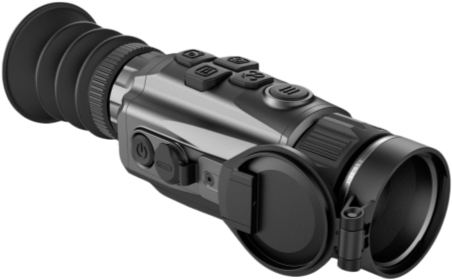
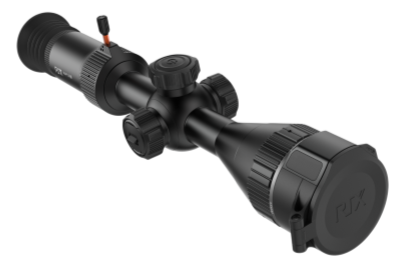
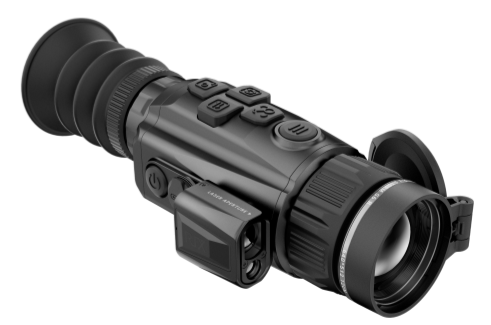
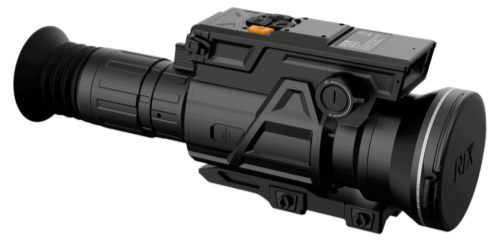
The night holds countless wonders that often go unseen by the human eye, but modern thermal binoculars are changing how we experience the darkness. They detect heat signatures from wildlife, objects, and terrain, allowing us to observe nature's nocturnal activities with unprecedented clarity. Whether you're a hunter tracking game after sunset, a wildlife enthusiast studying nocturnal animals, or an outdoor adventurer prioritizing safety in low-light conditions, thermal binoculars open up a new world of possibilities. In this comprehensive guide, we'll show how these remarkable tools can enhance your nighttime outdoor experiences while ensuring both safety and success.
What Sets Thermal Binoculars Apart in Nighttime Exploration?
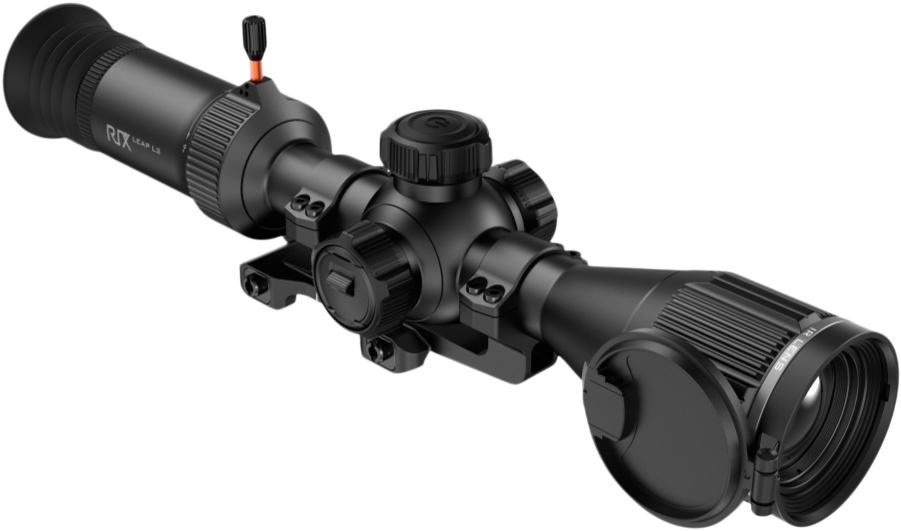
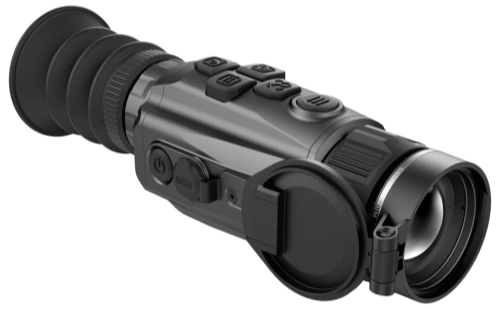
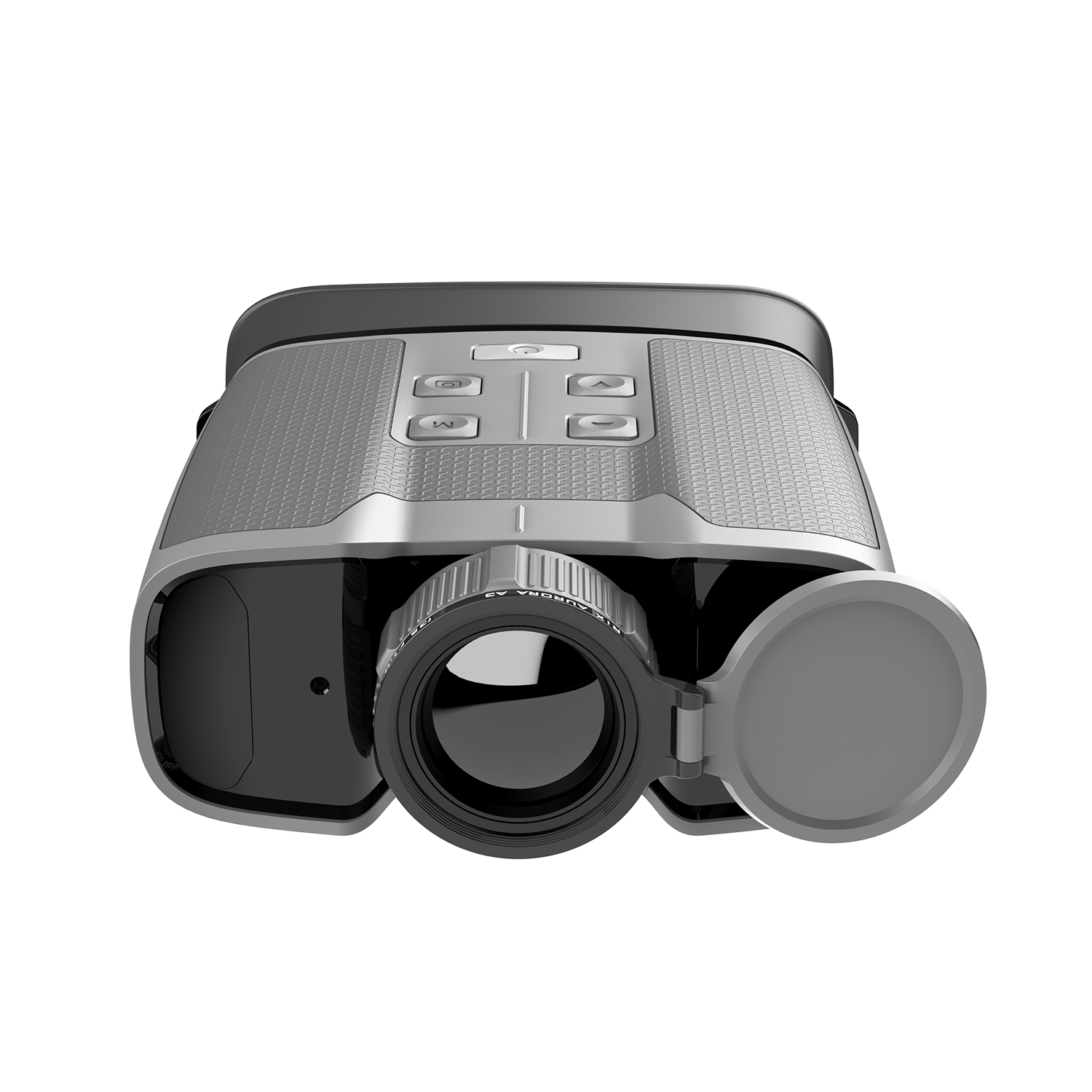
Thermal imaging technology, which records the heat radiated by objects and live entities to produce a visual representation of the surroundings, is fundamental in thermal binoculars. Thermal binoculars detect minute temperature variations, thereby providing clear vision in absolute darkness, unlike night vision devices that need some ambient light or infrared illumination to create a picture.
Sensing infrared radiation, they translate it into electric signals to produce a visual heat map. This heat map shows different degrees of warmth as different hues or shades of grey; darker areas result from cooler places while warmer spots stand out brightly. This gives users a great edge in nighttime activities since it lets them distinguish living entities even in completely dark surroundings.
Why Can Thermal Binoculars Influence Nighttime Nature Observation?
Thermal binoculars for hunting enable night explorers to grant the power to observe wildlife shrouded in darkness, all without the need for natural or artificial lighting. This not only prevents disturbance of the natural behavior of animals but also retains the mystery and authenticity of the nocturnal setting. In terms of safety, these devices are invaluable; they enable adventurers to navigate treacherous terrain with confidence and detect potentially dangerous animals from a safe distance.
Furthermore, conservationists and researchers harness the prowess of thermal imaging for environmental studies and wildlife tracking, particularly for nocturnal species. The technology offers an unparalleled advantage by allowing continuous observation without impacting the habitat, thereby gaining insights into the secret lives of creatures under the cover of night.
How Do Thermal Binoculars Elevate the Night Hunting?
Hunters must be well-versed in local laws and uphold ethical hunting standards to ensure a responsible practice. Hunting thermal binoculars provide a significant advantage by unveiling heat signatures of game in pitch darkness, rendering the concealment tactics of nocturnal prey ineffective. Hunters can detect and track the subtle warmth of animals over great distances and through dense foliage, or follow the trail of a wounded animal with greater ease, ensuring a quick and ethical harvest. The technology also aids in the clear identification of species, preventing accidental harm to non-target wildlife.
When selecting a pair, one should consider factors such as detection range and image clarity to match their specific hunting needs, ensuring an efficient and humane outing each time.
Transform Nighttime Photography and Videography with Thermal Imaging
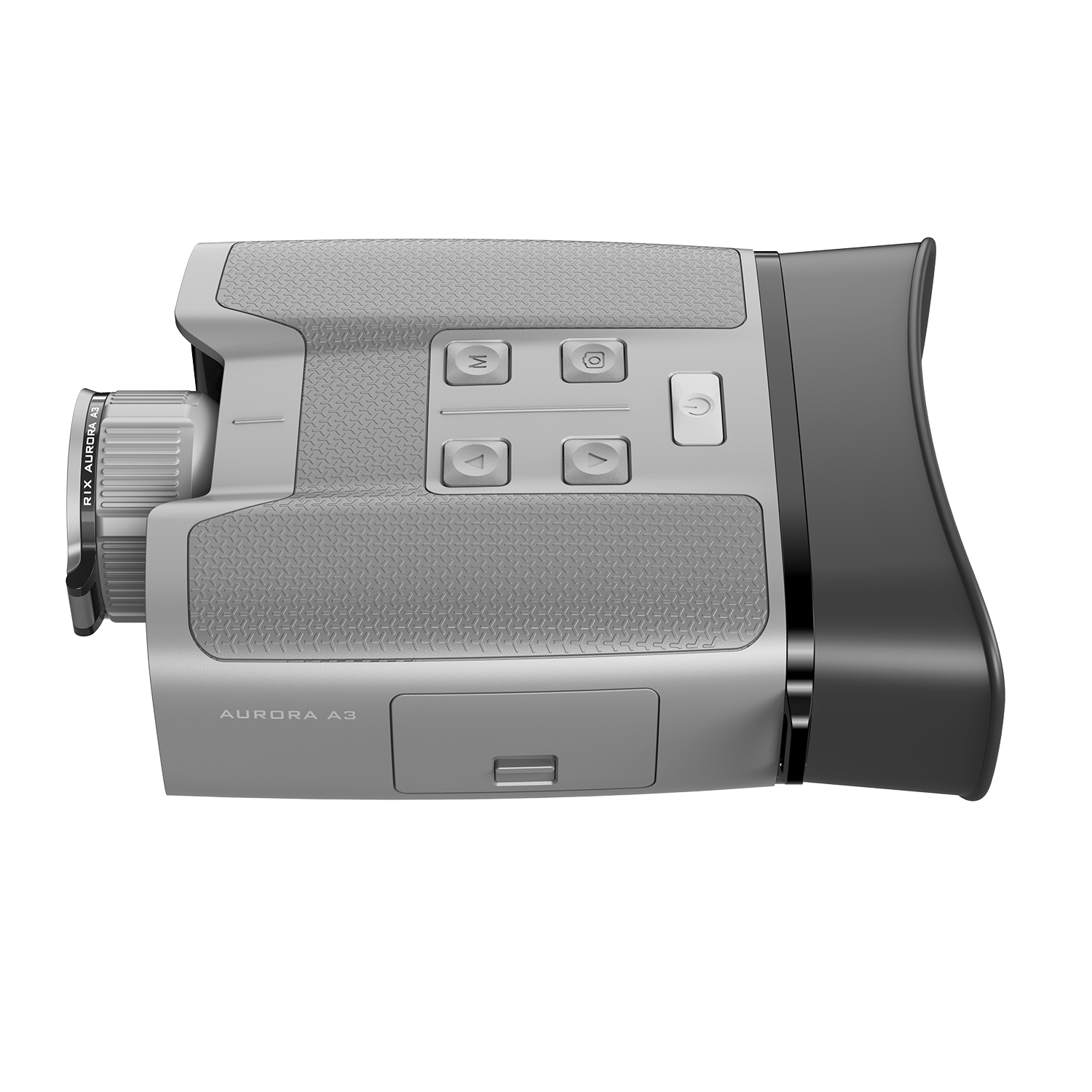
For photographers and videographers, thermal imaging provides a new avenue for capturing the nighttime world in a manner heretofore unattainable. Thermal cameras let one capture the secret heat life of animals and the scene in darkness. These gadgets capture the infrared light emitted by subjects and convert it into visible photos, therefore exposing a bizarre and often invisible perspective of nature.
For those seeking to improve their thermal captures, postprocessing is absolutely vital. It entails sometimes adding color palettes to improve visual appeal, enhancing the image for clarity, and varying contrast and brightness to make heat signatures pop. Designed especially for thermal picture processing, some software can help to highlight features and produce attractive images highlighting the vivid thermal range. Thermal photography can provide a striking dimension to your evening portfolio, whether your work is creating a distinctive landscape piece or recording animal behavior.
Best Practices for Nighttime Navigation with Thermal Binoculars
Start by fully charging your device or bringing along spare batteries to extend field use. Power-saving features, such as sleep modes, can conserve energy when the binoculars are not actively in use.
Navigating through the dark is made safer and more efficient with thermal binoculars. Their ability to reveal the terrain's heat profile helps avoid potential hazards and maintain orientation in environments devoid of light. It’s wise to periodically scan the surroundings to stay aware of both the landscape and any wildlife present.
Enhance your night navigation by integrating thermal binoculars with other gear. A GPS unit can provide precise location tracking, while traditional binoculars offer a different observational modality for times when thermal imaging might be less effective, such as in warmer weather when temperature contrasts are minimal.
How to Preserve Your Night Vision When Using Thermal Binoculars
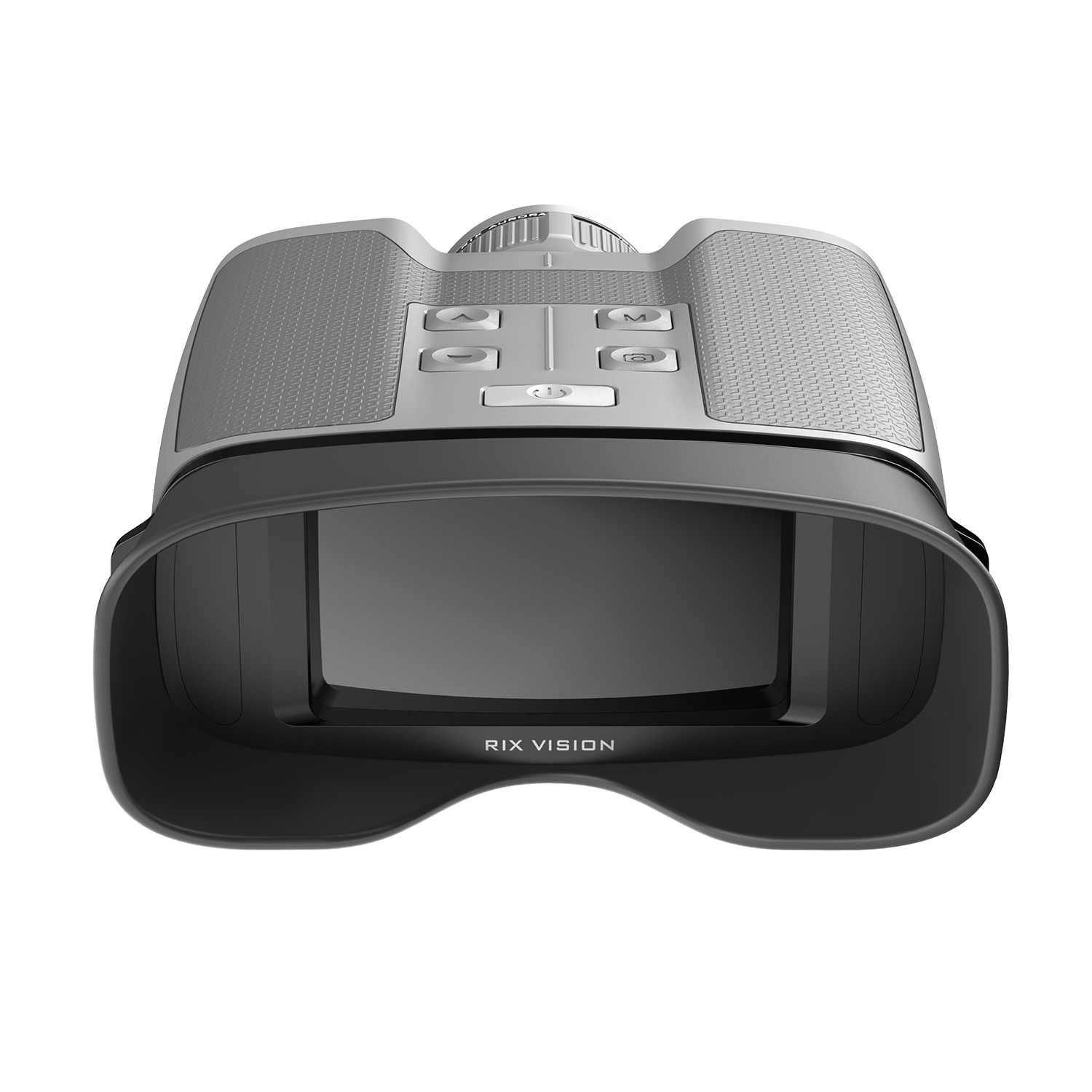
One effective technique involves the use of one eye for thermal viewing and keeping the other adapted to the dark; this can be achieved by periodically alternating the eyes you use to look through the binoculars. Another method is to allow your eyes to adjust back to the darkness after using the thermal device by closing them briefly or looking at a distant light source.
Accessories also play a significant role in preserving night vision. Wearing an eye patch can protect one eye's adaptation to the dark while scanning with the other through the thermal lens. For tasks that require some light, opt for red-light headlamps, which have a minimal impact on night-adapted vision.
Comments