













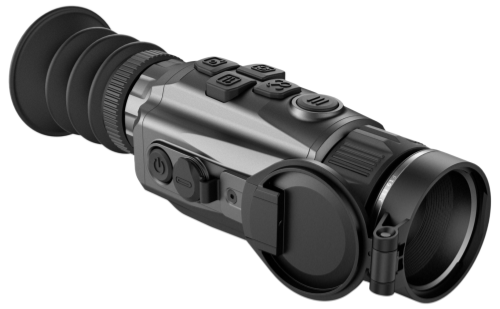
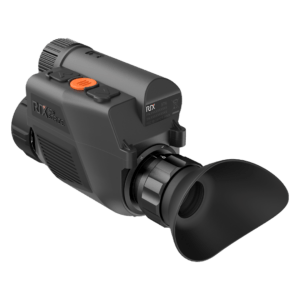

Night Vision Scope Usage Tips: A Complete Guide from Beginner to Professional
Night vision scopes have become essential tools for anyone looking to operate effectively in low-light conditions, whether for hunting, security, or outdoor exploration. As with any advanced technology, there's a learning curve involved in mastering their use. This guide is designed to help users at all levels—from beginners to seasoned professionals—understand and improve their skills with night vision scopes. We'll explore everything from the basic principles of how these devices work and understanding their components to more advanced techniques for optimizing performance, adapting to environmental conditions, and maintaining your gear.
How Do Night Vision Scopes Work?
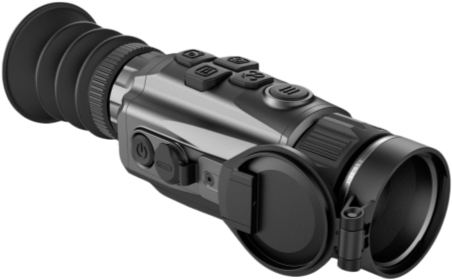
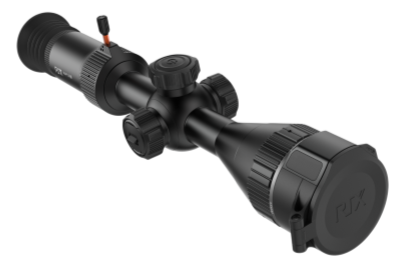
Night vision scopes collect and amplify ambient light, including near-infrared light, to make dark environments visible. Image enhancement technology plays a key role, transforming minimal or no light into a clear image by amplifying available photons. Digital night vision, on the other hand, converts captured light into an electronic signal and then processes it to produce a high-resolution digital display.
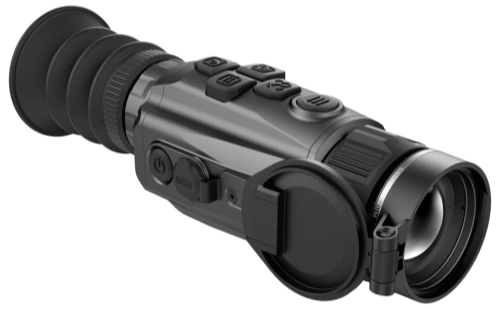
Each night vision scope includes several critical components:
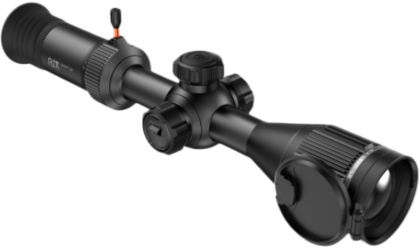
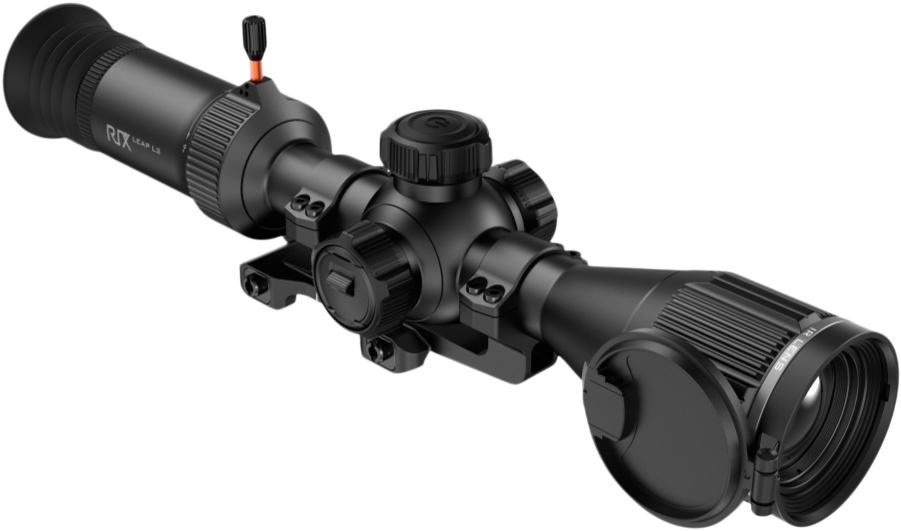
- The objective lens system gathers available light and focuses it onto the intensifier tube.
- The image intensifier tube is the heart of the device, converting photons to electrons and amplifying them for enhanced visibility.
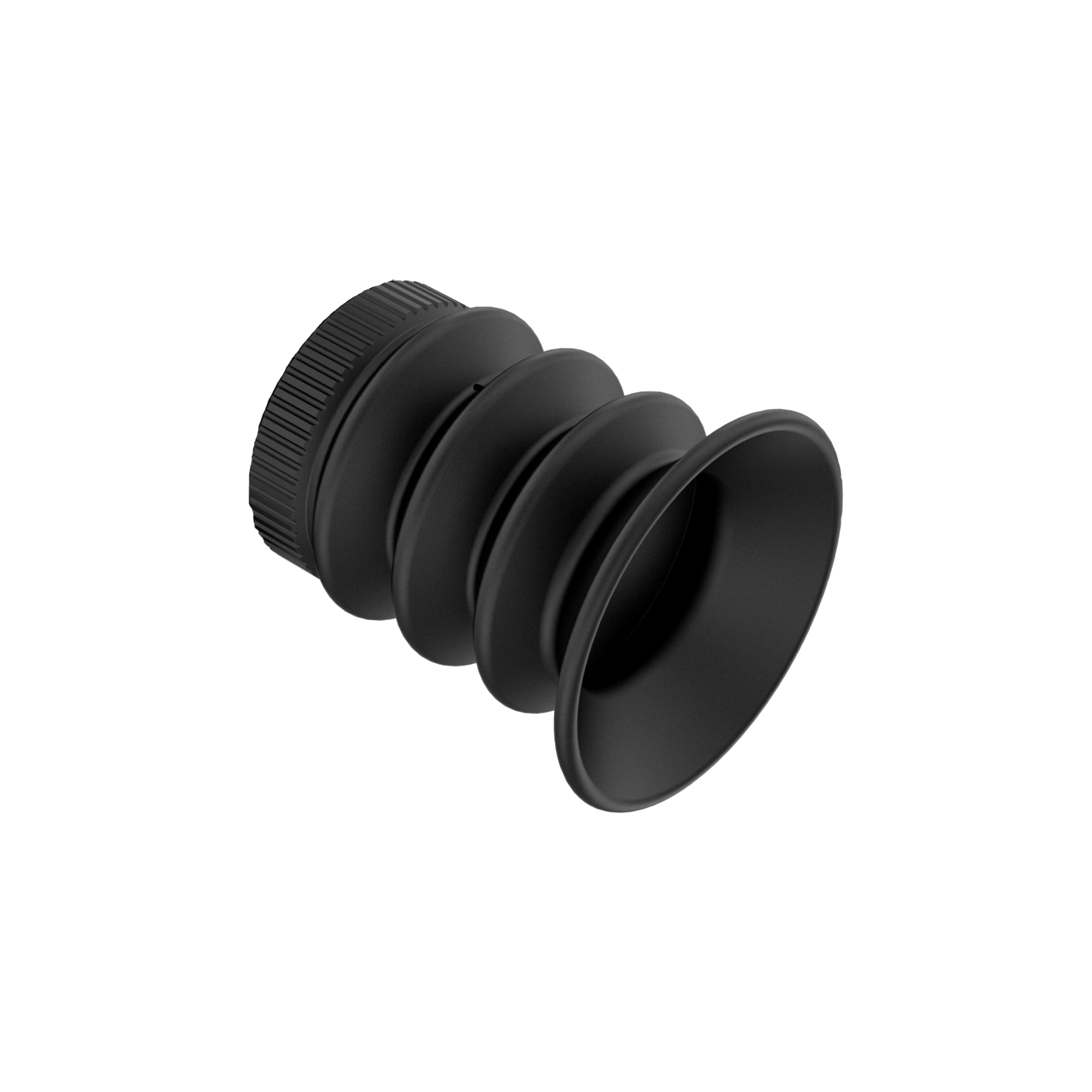
- The eyepiece system magnifies the intensified image for viewing.
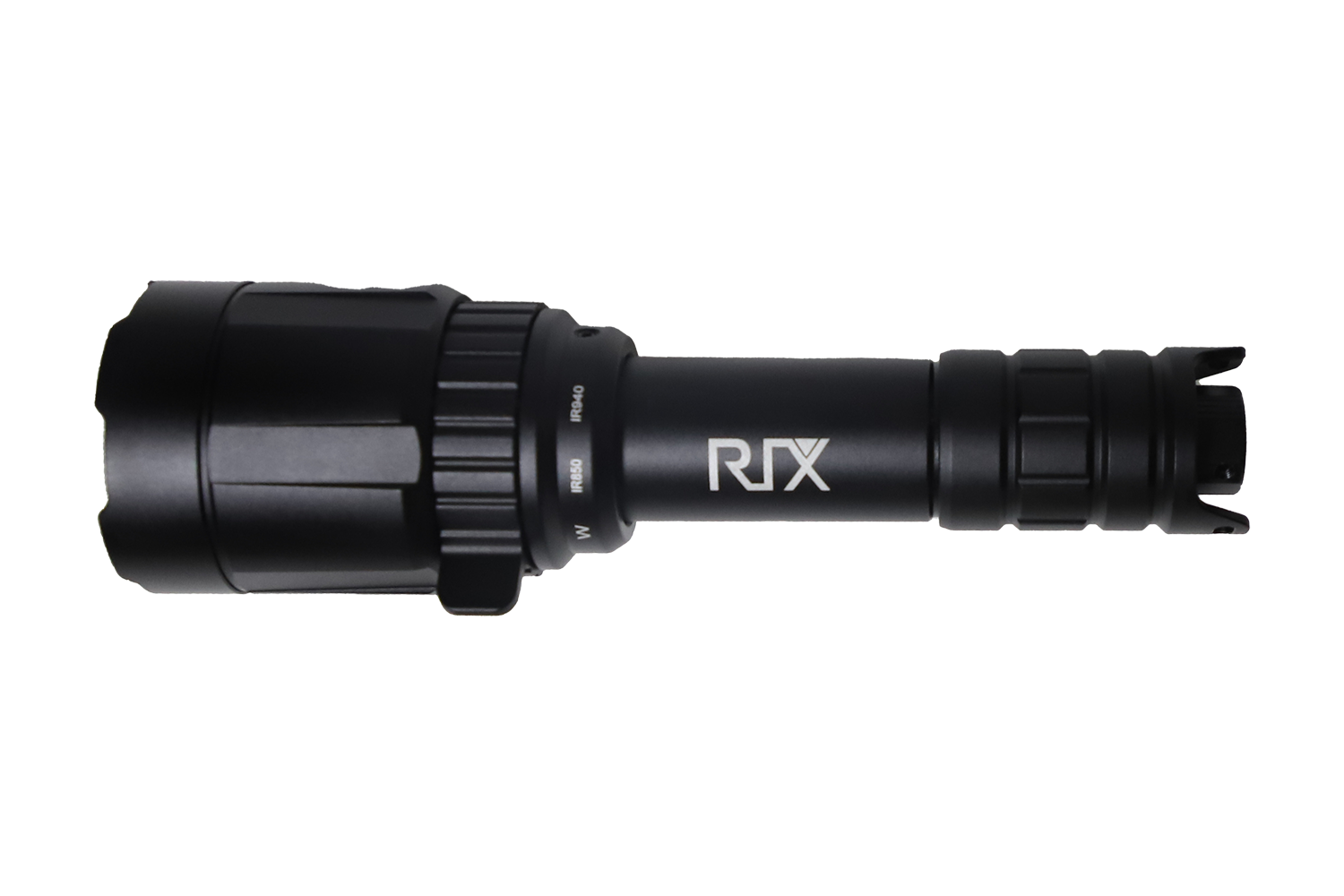
- An infrared illuminator may be included to project additional infrared light, which is useful in complete darkness where no ambient light is present.
Key performance parameters include magnification, which determines how close objects appear; resolution, indicating the clarity of the image; field of view, showing the width of the observable area; and detection range, the distance at which targets can be identified. Understanding these aspects helps users select the right equipment and optimize its use for specific environmental conditions.

Beginner Tips for Using Night Vision Scopes
1. Basic Settings
Starting with the basic settings is essential for optimal performance. Begin by familiarizing yourself with initial adjustment methods to ensure your scope is properly aligned. Use precise focusing techniques to achieve a sharp image, which is crucial for identifying targets accurately. Adjust the brightness to match ambient conditions; too much brightness can wash out details, while too little can obscure them. Lastly, correct diopter adjustment allows you to tailor the eyepiece to your vision, ensuring clarity without straining your eyes.
2. Holding Position
A steady hand is key to effective night vision use. Practice standard holding methods to minimize shake, such as gripping the scope firmly and supporting it on a stable surface. Choose strategic support points, like a tree or rock, to stabilize your view. Adjust body posture to maintain balance and comfort during extended periods of use, incorporating breathing control to reduce movement when aiming.
3. Battery Management
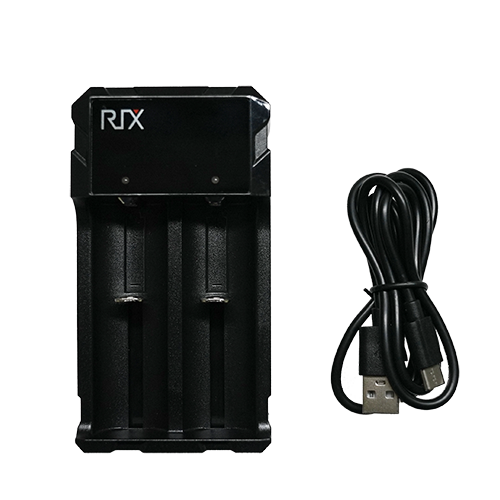
Efficient power use extends field time significantly. Start with the right battery selection for your scope's requirements. Learn how to optimize battery life by using energy-saving settings and turning off unnecessary features. Always have backup solutions on hand, such as spare batteries, especially in remote areas. Pay attention to low-temperature considerations, as cold weather can drain batteries faster, and plan accordingly.
How Can Intermediate Users Enhance Their Night Vision Scope Skills?
1. Environmental Adaptation
Adapting to different environments is crucial for effective night vision scope use. To cope with different lighting conditions, adjust the brightness and contrast settings to maintain clear visibility without overwhelming the image. Be mindful of weather impacts like rain or fog, which can obscure vision; using the infrared illuminator can help enhance visibility in these conditions. For terrain adaptation, practice navigating various landscapes by adjusting the scope’s field of view and focusing techniques to accommodate changes in elevation or ground cover.
2. Tracking Moving Targets
Improving your ability to track moving targets involves honing several skills. Develop observation techniques that allow you to detect movement quickly. Use systematic scanning methods to cover larger areas efficiently, ensuring no target goes unnoticed. Enhance your target recognition abilities by familiarizing yourself with common shapes and movements of wildlife or objects you're tracking. Practice distance estimation to gauge how far away targets are and adapt your approach accordingly. Learn to handle obstacles by predicting potential hiding spots and adjusting your angle of view to maintain a line of sight.
3. Device Integration
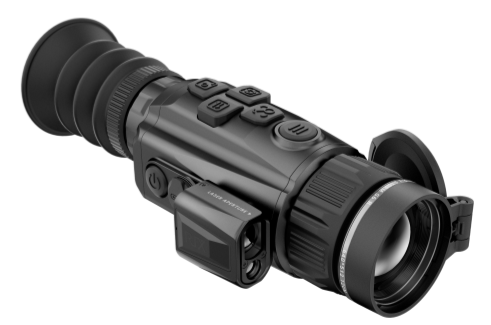
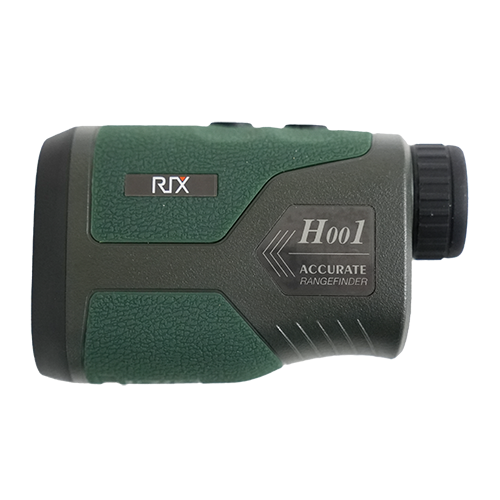
Maximize your scope's capabilities through effective device integration. Utilize infrared illumination for better clarity in complete darkness. Coordinate with rangefinders to accurately measure distances and improve targeting precision. Take advantage of recording functions to capture evidence or review your sessions later for analysis. Collaborate your scope with various accessories, like tripods or stabilizers, to improve stability and expand functionality in the field.

Advanced Tips for Mastering Night Vision Scopes
1. Professional Setting Optimization
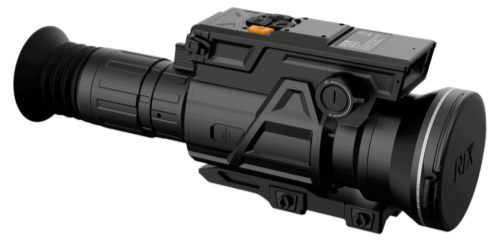
For seasoned users, fine-tuning your night vision scope involves custom parameter adjustments to match specific scenarios, such as altering gain levels or reticle settings to enhance image clarity. Utilize scene mode switching to adapt quickly between different environments like open fields or dense forests, optimizing the device's sensitivity and contrast. Leverage advanced features such as ballistic calculators or smart range finders integrated into some scopes to improve accuracy and efficiency in various applications.
2. Explore Performance Limits
To push your Robust scope to its limits, practice operating under extreme weather conditions, such as heavy rain or snow, by adjusting settings to compensate for reduced visibility and increased glare. Learn to navigate and overcome complex terrain like dense forests or rocky landscapes by anticipating changes and using the terrain to your advantage. Address electromagnetic interference by understanding how electronic devices can affect your scope’s performance and finding ways to mitigate these effects. Manage light pollution by choosing optimal positions that minimize exposure to artificial light sources, ensuring a clearer night view.
3. Team Collaboration
Working effectively in teams enhances operational success. Develop clear communication coordination practices, using hand signals or radios to convey information without disrupting stealth. Implement tactical movement strategies that utilize each team member’s strengths, ensuring efficient coverage and support. Focus on effective information sharing to keep all members aware of developments, enabling quick adaptation to dynamic situations. Establish coordinated operations where roles are defined, allowing seamless interaction and maximizing the advantages offered by night vision technology.

How to Maintain and Care for Your Night Vision Scope
To ensure longevity, regularly perform cleaning procedures with soft brushes and lens wipes to remove dust and smudges. Use appropriate storage methods, such as keeping the scope in a padded case in a dry environment to prevent damage. Implement moisture prevention by using desiccants or silica gel packs when storing your device. For transportation protection, always use impact-resistant cases to avoid physical harm during travel.
When issues arise, begin by diagnosing common problems like blurry images or power failures. Learn quick repair methods for simple fixes, but seek professional repair advice for complex issues. Practice preventative measures, such as regular inspections and firmware updates, to keep your scope functioning optimally.
Enhance Your Skills with Night Vision Scopes
Start with a basic training plan that covers essential skills like setup and operation in various conditions. Follow a skill advancement path by setting goals for proficiency in specific techniques, such as target acquisition and environmental adaptation.
Engage in simulation exercises to practice real-world scenarios without the pressure of live situations; these can include mock night hunts or search missions. Conduct regular capability assessments to evaluate your progress and identify areas needing improvement, ensuring continual growth and mastery of your night vision scope's potential.
Comments