












How to Adjust Night Vision Scopes for Different Seasonal Changes
Hunting with night vision equipment requires more than just owning sophisticated gear—it demands understanding how seasonal changes impact your technology's performance. As landscapes transform throughout the year, from dense spring foliage to winter's snow-covered terrain, hunters must adapt their night vision scopes to maintain optimal visibility and effectiveness. Each season presents unique environmental challenges that can significantly affect image quality, sensitivity, and overall equipment functionality. Read and learn to fine-tune your night vision devices according to seasonal variations; you can ensure clearer imaging, better target identification, and a more successful hunting experience across different environmental conditions.
1. Spring Hunting
Spring's Environmental Landscape
Spring greatly changes the hunting scene. Vegetation bursts into life as winter fades, producing thick green corridors and fast-changing topography. Emerging from winter hibernation, wildlife moves more actively in the early morning and late evening hours. While smaller wildlife like rabbits and wild turkeys become more obvious as they search for food and set territories, deer start their post-winter recovery, consuming new vegetation.
Night Vision Equipment Adaptation Strategies
Sensitivity and Foliage Challenges
Early spring presents unique optical challenges for night vision users. The combination of emerging vegetation and remaining cold temperatures requires precise equipment calibration. Hunters should incrementally increase their device's sensitivity settings to compensate for lower light conditions and dense new foliage.
Infrared Illumination Techniques
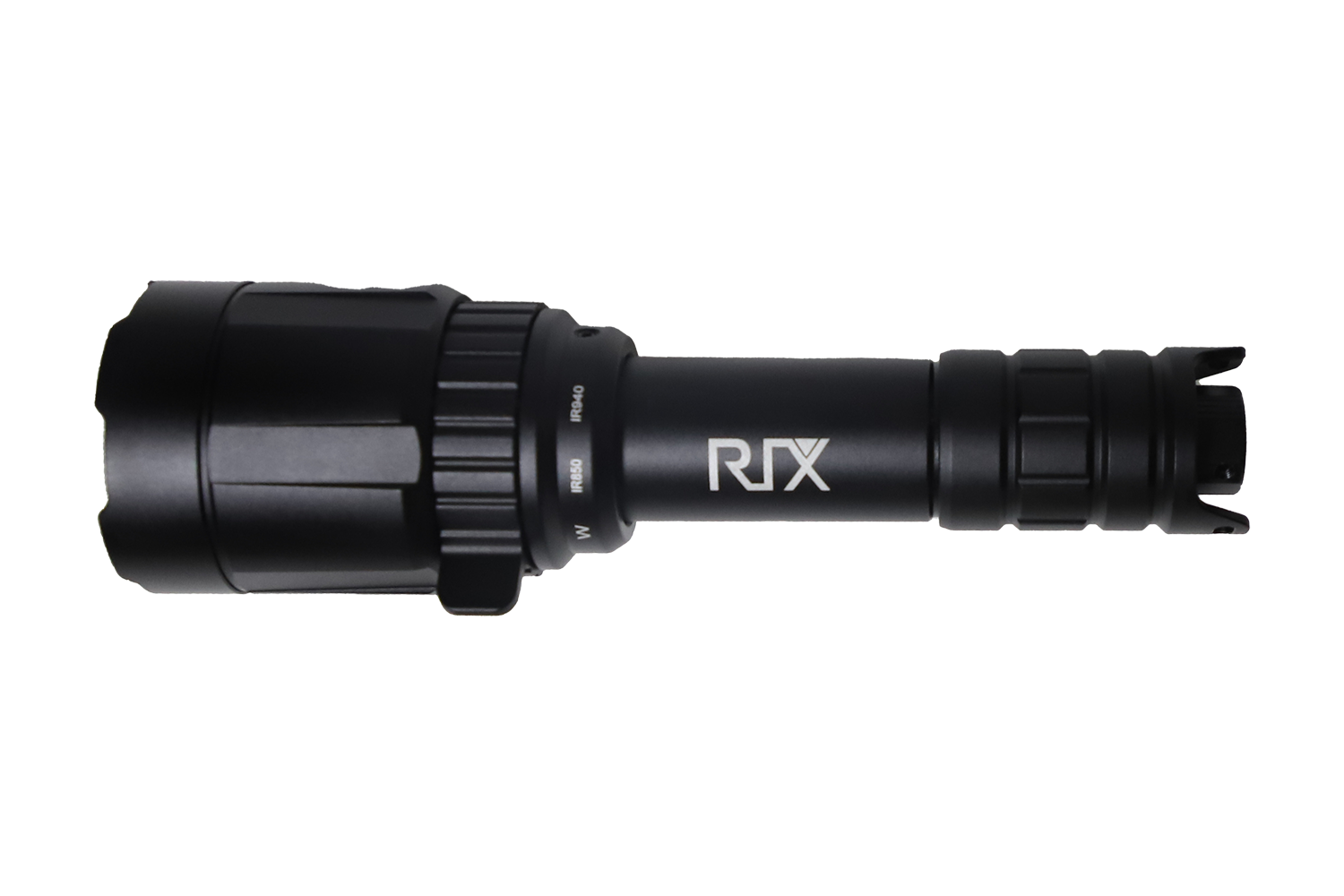
Dense spring vegetation can significantly obstruct traditional night vision imaging. Strategic use of infrared (IR) illuminators becomes crucial. Advanced IR illuminators can penetrate thick brush, providing clearer imaging through newly sprouted leaves and undergrowth. Recommended techniques include:
- Selecting illuminators with adjustable beam width
- Using lower-intensity settings to prevent over-exposure
- Positioning illuminators to create optimal angle through vegetation
Equipment Maintenance Recommendations
Before spring hunting season, conduct a comprehensive equipment check for your night vision scope:
- Clean optical surfaces thoroughly
- Check battery performance in cooler temperatures
- Verify moisture resistance, as spring environments can be damp
- Test sensitivity and illumination settings in similar environmental conditions
2. Summer Hunting
Summer's Environmental Dynamics
Summer has longer daylight and strong heat. Animal activity habits change dramatically; many species start to become more nocturnal to escape the midday heat. Usually moving in the early morning and late evening, larger species like deer and wild boars provide limited hunting windows.
Variations in temperature lead to higher thermal activity, which makes the erratic movement of species. The peak density of vegetation creates hard light conditions and intricate visual worlds with heavy foliage. Significant air interference produced by heat influences visibility and animal behavior.
Night Vision Equipment Optimization Strategies
Thermal Noise Management
Summer's high temperatures introduce significant thermal noise challenges for night vision equipment. Thermal noise can degrade image quality, creating unwanted visual interference. Hunters should:
- Reduce device sensitivity during peak heat periods
- Implement automatic gain control settings
- Use cooling mechanisms if available
- Select devices with advanced noise-reduction technologies
Lens Protection and Performance
Humidity and temperature fluctuations demand specialized lens protection. Multi-layer lens coatings become critical for maintaining optical clarity. Recommended approaches include:
- Applying anti-reflective and anti-fog coatings
- Using lens caps during transportation
- Storing equipment in temperature-controlled environments
- Regularly cleaning and maintaining lens surfaces
Equipment Preparation Recommendations
- Carry backup batteries of night vision scopes for hunting, as heat can drain power quickly
- Use moisture-absorbing storage solutions
- Conduct pre-hunt equipment calibration
- Select devices with robust temperature tolerance
3. Autumn Hunting
Autumn's Environmental Transformation
Autumn emerges as a critical hunting season, characterized by dramatic environmental shifts. Cooling temperatures trigger significant changes in wildlife behavior and landscape visibility. Falling leaves create unique optical conditions, dramatically reducing natural foliage density and expanding visual corridors through forests and woodland areas.
Wildlife enters critical pre-winter preparation phases. Deer enter their rutting season, becoming more active and predictable. Smaller game animals increase foraging activities, preparing for the upcoming winter months. Temperature drops range from mild 50°F daytime temperatures to near-freezing nighttime conditions, creating complex hunting environments.
Night Vision Equipment Optimization Techniques
Contrast and Visibility Enhancement
Autumn's unique light conditions demand precise night vision equipment calibration. Reduced foliage allows unprecedented visual penetration through woodland landscapes. Hunters should:
- Adjust contrast settings of night vision scopes to maximize detail in partially obscured environments
- Utilize multi-gain performance modes
- Implement edge enhancement technologies
- Select devices with superior low-light performance capabilities
Weatherproofing and Moisture Management
Increased autumn rainfall presents significant equipment challenges. Waterproofing becomes essential for maintaining optical performance. Recommended strategies include:
- Selecting devices with IPX7 or higher waterproof ratings
- Using protective lens covers
- Applying anti-moisture treatments
- Carrying moisture-absorbing storage solutions
Equipment Preparation Recommendations
- Conduct thorough pre-season equipment inspection
- Test performance across varying light conditions
- Carry additional protective gear
- Maintain consistent equipment temperature

4. Winter Hunting
Winter's Environmental Challenges
Winter presents the most demanding hunting environment, characterized by extreme cold and unique optical conditions. Snow-covered landscapes create unprecedented visibility challenges, with reflective surfaces generating intense light variations. Temperatures can plummet to well below freezing, dramatically affecting both wildlife behavior and equipment performance.
Animal movement becomes strategically concentrated. Large mammals like deer conserve energy, creating predictable travel patterns near food sources and sheltered areas. Snow creates high-contrast environments, simultaneously offering enhanced tracking opportunities and complex visual obstacles.
Night Vision Equipment Winter Optimization
Cold-Weather Performance Strategies
Extreme temperatures significantly impact electronic device functionality. Battery performance becomes critically important during winter hunting expeditions. Recommended approaches include:
- Using lithium-based batteries with superior cold-weather performance
- Carrying multiple backup power sources
- Maintaining batteries at core body temperature when not in use
- Selecting devices with integrated battery-warming technologies
Snow Glare Mitigation Techniques
Snow's extreme reflectivity can overwhelm standard night vision equipment. Specialized filtering becomes essential for maintaining image quality:
- Implement advanced anti-reflective lens coatings
- Use graduated neutral density filters
- Adjust brightness and contrast settings dynamically
- Select devices with automatic light compensation features
Equipment Preparation Recommendations
- Conduct comprehensive cold-weather equipment testing
- Use insulated carrying cases
- Maintain minimal moisture exposure
- Practice quick equipment deployment techniques

Tips for Maximizing Night Vision Performance
Clean your night vision scopes after every hunting trip. Use specialized lens cleaning solutions and microfiber cloths designed for optical equipment. Never use standard clothes or household cleaners that might scratch delicate surfaces.
Store tools in surroundings under temperature control. Extreme heat or cold can permanently harm delicate electrical components. To stop moisture build-up, use rigid, cushioned enclosures, including silica gel packets.
Before each use, check battery contacts. Dirt or corrosion might break off electricity flow. Effective cleaning of contacts with a basic pencil eraser guarantees constant performance.
Before batteries run totally empty, rotate and replace them. One can shorten general battery life by partial drain. To preserve their charge capacity, store extra batteries in an insulated, separate container.
Protect lenses with dedicated lens caps when not in use. Dust, moisture, and accidental scratches can compromise image quality. Always store devices with lens covers attached.
Invest in a professional calibration service annually. While expensive, professional calibration can identify and fix minor issues before they become major problems.
Practice using your equipment in controlled environments. Familiarize yourself with settings and features before heading into the field. Simulated conditions help build muscle memory and confidence.
Consider purchasing extended warranties for high-end night vision devices. The additional coverage can save significant money on potential repairs or replacements.
Create a maintenance log to track device performance, repairs, and battery life. This documentation helps identify patterns and potential issues before they become critical.
Get A Successful Night Vision for Hunting
Night vision scopes changes hunting by offering unheard-of clarity over changing surroundings. Success comes from adjusting tools to seasonal fluctuations, from the rich spring greenery to the reflective settings of winter. Reliable performance comes from proactive preparation—equipment tests, knowledge of device capabilities, and consistent maintenance. Hunters can make their night vision equipment from simple instruments to complex hunting partners by spending time on sensitivity calibration, battery verification, and strategic improvements.
Comments