








Hunting Essentials: A Perfect Guide to Combining Rangefinders and Scopes
Combining rangefinders and scopes can significantly enhance hunting efficiency by improving accuracy and distance estimation. This guide talks about the essential factors for selecting and coordinating these devices, providing insights into choosing optimal combinations and understanding key parameters. We'll cover basic coordination techniques for installation and calibration, practical applications in various hunting scenarios, and advanced strategies for long-distance and moving targets. Additionally, you'll find advice on maintenance, skill enhancement, and safety tips to ensure a successful and safe hunting experience.
How to Select the Right Equipment for Combining Rangefinders and Scopes
Optimal Combinations
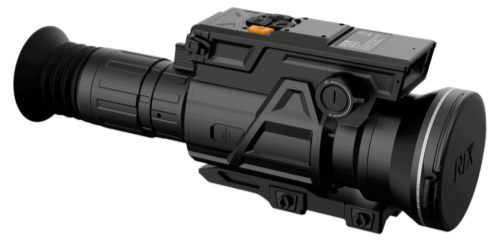
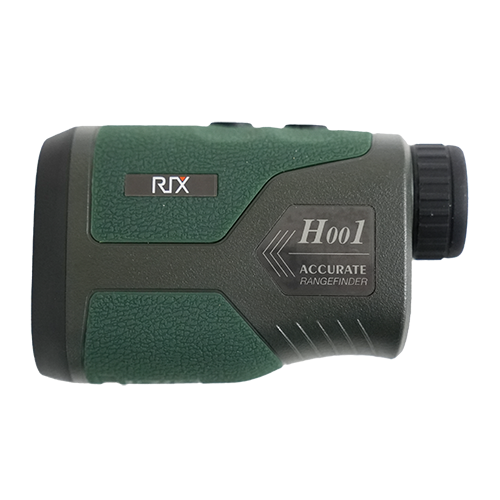
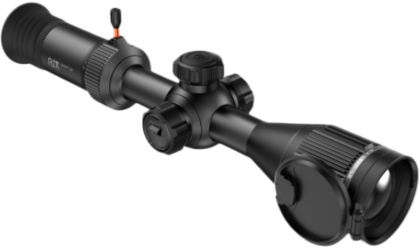
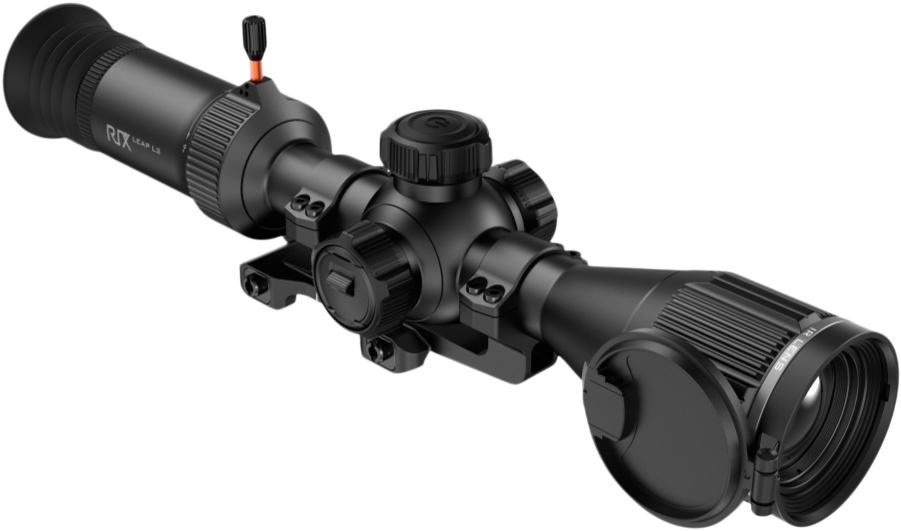
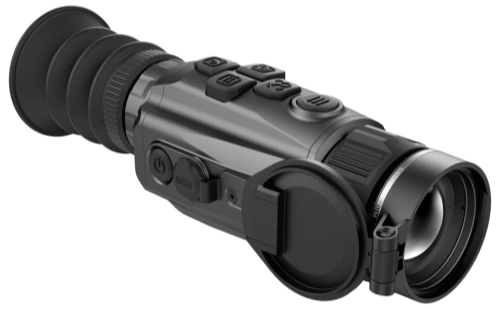
When selecting a rangefinder, prioritize options with clear optics and reliable distance accuracy to help you make precise shots. Models that offer quick response times are especially useful, allowing you to gauge distances swiftly in dynamic situations. For scopes, consider those with adjustable magnification to provide flexibility across different hunting environments—whether you're aiming at close-range targets or scanning for the game at a distance. Features like illuminated reticles can be a great asset in low-light conditions.
Key Parameter Comparison
- Important Accessories: Make sure your rangefinder is firmly attached to the scope using robust mounts, therefore guaranteeing stability throughout the movement. Good mount can improve general accuracy and stop misalignment.
- Optional Add-ons: If you regularly hunt from still situations, think about including a tripod to give the rangefinder and scope extra stability. When setting up on difficult terrain or uneven surfaces, this really helps.
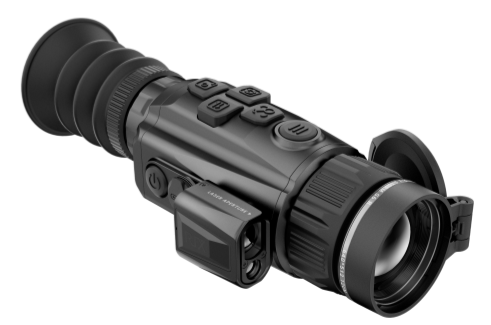
- Choices in Cost-Effectiveness: Look for combination units—rangefinders incorporated into high-quality scopes—that streamline equipment use, therefore reducing weight and possible expense. These combined systems can streamline your gear configuration and help you cut the demand for several gadgets.
Basic Coordination Techniques for Using Rangefinders and Scopes
Installation and Calibration
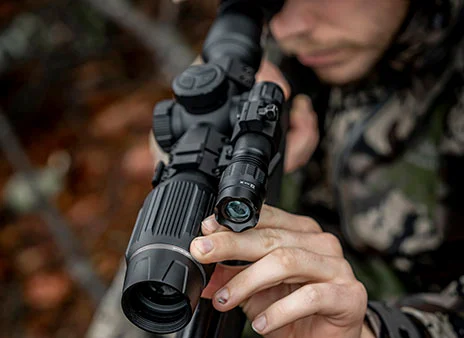
Smooth usage of your rangefinder depends on proper mounting of it. Usually, fast access without sacrificing your line of sight is made possible by hanging it from the side or top of the scope. Make sure the mount is steady and does not impede the operation of either gadget.
Calibrate your rangefinder and scope to guarantee alignment following installation. Starting at a known distance, first make both devices zero. This fundamental step guarantees aiming precision and distance measurement correctness.
If at all possible, have quick-detach mounts or levers on your system. Essential in fast-paced hunting conditions, its design lets you quickly alternate between scope views and rangefinding without fumbling.
Operational Workflow
Develop a routine where you first use the rangefinder to measure distance, then adjust your aim accordingly. Practice this workflow to make it second nature, reducing the time between spotting and shooting.
Convert range data into actionable information, like adjusting elevation on your scope based on ballistic charts, ensuring precision even at varying distances.
Avoid relying solely on electronic measurements; always cross-check visually. Be aware of battery levels to prevent sudden equipment failure in the field. Regular practice in different environments can also help avoid misjudgments due to terrain or lighting conditions.

How to Apply Rangefinders and Scopes in Different Hunting Scenarios
1. Static Hunting
Choose a vantage point that offers a clear line of sight and minimal movement, such as a tree stand or natural cover. Ensure your equipment is easily accessible and securely positioned.
Use your rangefinder to scan the area periodically, identifying potential targets before they enter your shooting range. This proactive approach allows you to plan shots in advance.
Practice transitioning smoothly from rangefinding to aiming; this includes having preset scope adjustments based on typical distances in your hunting area for faster targeting.
2. Mobile Hunting
Use harnesses or slings designed for mobility, keeping your hands free while ensuring quick access to your gear. Lightweight setups help maintain endurance over long distances.
Train yourself to swiftly set up your equipment in response to sudden opportunities. Familiarize yourself with your equipment’s controls to minimize setup time when spotting the game.
Develop routines for switching between using the rangefinder and scope seamlessly, allowing for continuous tracking and targeting as you move through varying terrain.
3. Handling Special Environments
Choose weather-resistant scopes and rangefinders built to withstand the weather. Keep lens cloths close by to clean away fog or rain that can compromise vision.
For more stability when negotiating uneven ground, use tripods or monopods. To adapt well, practice swiftly setting up on several surfaces.
To improve vision, use scopes with attached light sources or illuminated reticles. To maximize your operational window, proactively change settings to account for evening or morning conditions.

Advanced Techniques for Using Rangefinders and Scopes in Hunting
Long-Distance Hunting
When engaging targets at long distances, accuracy is paramount. Use high-quality rangefinders with capabilities of measuring up to 1,000 yards or more. Verify distance readings by cross-referencing with known landmarks or using GPS data when possible.
Familiarize yourself with the ballistic profile of your ammunition and rifle. Use a scope with bullet drop compensation (BDC) reticles or turrets, adjusting them according to the calculated drop of your bullet over the measured distance. Utilize ballistic calculators or apps for precise adjustments.
Wind plays a crucial role in long-distance shooting. Equip yourself with a wind meter to assess speed and direction. Practice estimating how different wind speeds affect bullet trajectory, applying necessary corrections based on your experience and external resources like wind drift charts.
Moving Targets
Develop the skill to estimate target speed visually. Practice observing animals in motion, both in reality and through training videos, to fine-tune your judgment.
Calculate the lead you need to give a moving target based on its speed and distance. This involves predicting where the animal will be when the bullet reaches it. Practice these calculations regularly to improve accuracy.
Use smooth tracking methods by aligning your body and scope movement with the target's path. Keep your movements fluid to maintain sight alignment and stability, reducing the chance of missing due to jerky or inconsistent tracking.
Practical Advice for Maintaining Rangefinders and Scopes
Use a microfiber cloth to clean the lenses gently, preventing scratches and maintaining clarity. A small amount of lens-cleaning solution can help remove stubborn smudges without damaging coatings. Pay special attention to keeping electronic components dry and free from dust. Additionally, routinely check battery levels to avoid equipment failure during critical moments. Be prepared to troubleshoot common issues, such as fogging or misalignment, with basic tools for quick adjustments. Always secure mounts firmly before use to prevent accidents or damage while in the field.
Engage in realistic simulations that mirror hunting scenarios, focusing on developing swift rangefinding and aiming skills to enhance accuracy under pressure. Regular field exercises allow you to refine your techniques for precision and speed. Keeping a detailed log of each outing can provide valuable insights into your progress, helping identify strengths and areas needing improvement. By reflecting on past experiences and analyzing results, you can make informed decisions about adjustments to your strategy and equipment, ultimately leading to better performance and more successful hunts.
Safety Tips for Using Rangefinders and Scopes
Always be aware of your surroundings and make sure your equipment is correctly fastened, following usage safety rules. Important hunting safety tips are not pointing your gun at anything you do not plan to shoot and properly identifying your target before firing. When utilizing rangefinders and scopes, don safety gear, including eye protection. Carry a simple first aid pack and be aware of the closest medical institution for treating emergencies. Tell others where you hunt and when you anticipate returning to guarantee quick help should it be necessary.
Comments